

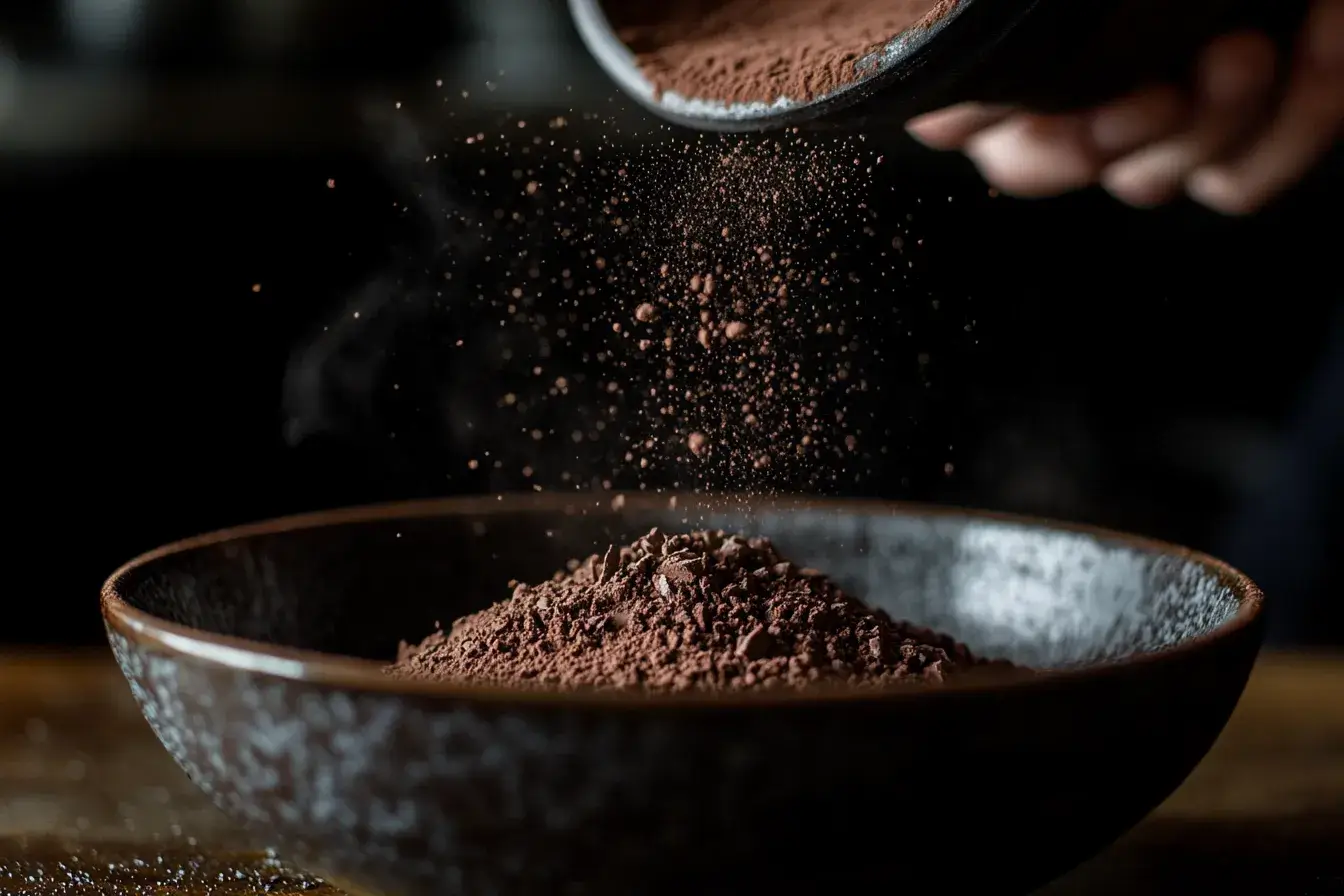
I get asked this all the time when people find out I use black cocoa in basically everything. The short answer is: yeah, it’s fine. Not a superfood, but not bad for you either.
Black cocoa has been blowing up recently because bakers want that dramatic dark color without using artificial dyes. I’m one of those bakers—I avoid food coloring when I can because it tastes weird and I don’t trust those neon colors. Black cocoa gives me naturally dark desserts without any of that.
But the health question is legitimate. When you’re using an ingredient regularly, you should probably know what you’re putting in your body. Unlike regular cocoa powder that I throw in brownies and regular chocolate cakes, black cocoa goes through way more alkalization. That extended Dutch-processing is what creates the signature dark color and that milder, almost smoky flavor.
The processing changes more than just appearance though. Strips out some of the antioxidants that make natural cocoa powder a “health food” according to those wellness blogs. So it’s not as beneficial as raw or natural cocoa, but it’s also not terrible. Still has fiber, magnesium, iron, and other nutrients. Just fewer antioxidants than the less-processed versions.
I use it anyway because the visual impact is worth it to me, and I get my antioxidants from other sources. Plus the mild flavor works better in recipes where I don’t want intense chocolate competing with other ingredients.
So is it healthy? Healthier than using artificial black food coloring for sure. Not as healthy as natural cocoa. Somewhere in the middle. Good enough for me.
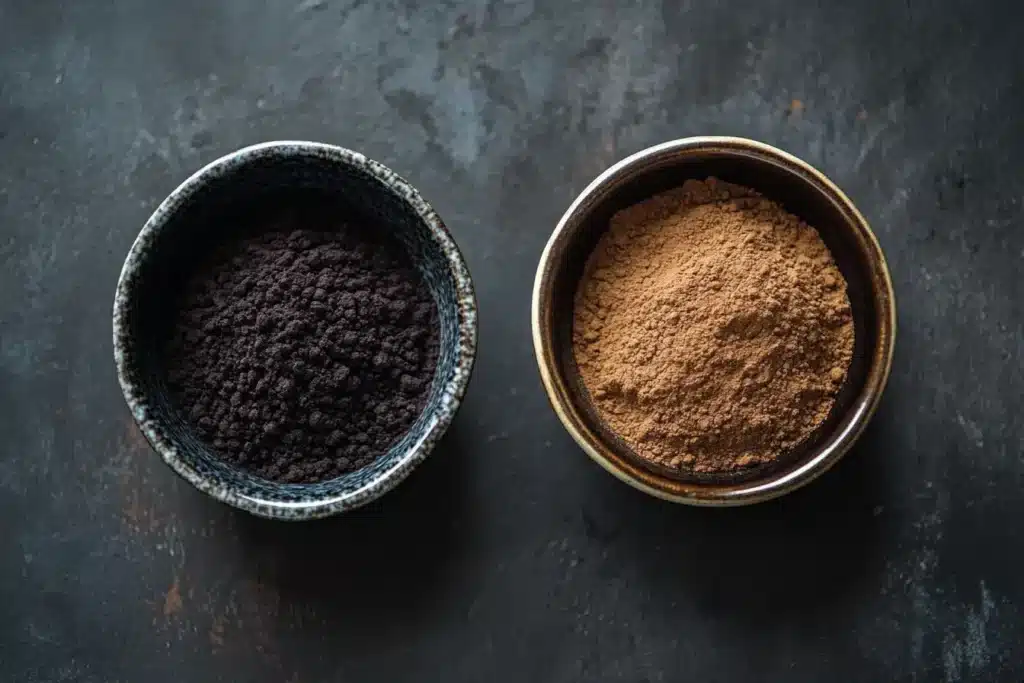
What Is Black Cocoa Powder?
Black cocoa tastes different from regular cocoa. Regular cocoa is bitter and acidic with this rich, intense chocolate flavor. Black cocoa is smoother, milder, almost mellow. Way less bitter.
That’s why it works so well in lots of different desserts. The extended processing creates that deep, dark color—like the color in Oreo cookies or those dramatic blackout cakes. Actually, Oreos are what made black cocoa famous. That’s literally what gives them their color and specific flavor.
For more ways to use black cocoa, check out these black cocoa powder recipes that really show off what it can do visually.
Beyond just looking cool, the smooth texture and mellow flavor make it versatile. You can use it in way more recipes than regular cocoa because it’s not fighting with other ingredients.
The Origins
Some Dutch chemist named Coenraad van Houten came up with the alkalization process back in the 1800s. That’s where this whole thing started. He was trying to make cocoa less acidic and easier to mix into drinks. The process worked, and eventually people realized if you alkalized it even more, you got this super dark powder.
People have wondered about the health impacts of cocoa products since then. Alkalization reduces acidity, makes it smoother, changes the nutritional profile. The question of whether heavily processed cocoa is better or worse for you has been around for literally centuries at this point.
Over time black cocoa became known for both its unique flavor and its nutritional properties—which are different from regular cocoa because of all that processing.
How It Differs from Regular Cocoa
Regular cocoa keeps its natural acidity and has this reddish-brown color. Black cocoa gets alkalized way more, which neutralizes the bitterness and gives you that smooth, mild taste.
The extra processing also changes the nutrition. Black cocoa has fewer antioxidants than natural cocoa, but it’s lower in calories and easier on your stomach if you’re sensitive to acidic foods.
Is one healthier than the other? Depends what you care about. Want maximum antioxidants? Use natural cocoa. Want something that tastes smooth and looks dramatic? Black cocoa. I keep both because they serve different purposes.
Why People Love It in Recipes
The rich dark color is the main draw. Makes cookies and cakes look striking and professional. The smooth, less bitter flavor means it works well with other ingredients instead of overpowering them.
People worry about whether it’s healthy, but honestly the visual appeal and versatility usually win out. I use it knowing it has slightly less antioxidants than natural cocoa. The trade-off is worth it for desserts that look this good.
Nutritional Value
Nutritional Breakdown of Black Cocoa Powder
Black cocoa is low in calories and fat, which is great if you want rich-tasting desserts without feeling like you ate a brick of butter. Per tablespoon you’re getting:
Calories: 12-15 calories
Fat: 0.5 grams
Carbohydrates: 3 grams
Fiber: 2 grams
Protein: 1 gram
The fiber content is solid for such a small amount. 2 grams of fiber per tablespoon adds up if you’re using it regularly. Good for digestive health, which matters when you’re eating desserts.
If you’re looking for other fiber-rich ingredients, try this chicken broth and potatoes recipe chicken broth benefits that also supports digestion.
The low calorie and fat content means you can use black cocoa in desserts without loading everything up with calories. Makes it easier to justify eating chocolate cake for breakfast. Not that I do that. Often.
Tips for Storing Black Cocoa Powder
Proper Storage for Maximum Freshness
Keep it away from your stove or oven. Heat degrades it fast and you’ll end up with cocoa powder that tastes flat and looks faded. I learned this the hard way by storing mine too close to the oven. Went through a whole container in two months because it kept going bad.
Check on it every few months to make sure it still smells and looks right. If it’s clumpy or smells off, time for a new container.
How Long Does Cocoa Powder Last?
Cool, dry place. Pantry or cupboard, not near the sink where it gets steamy or near the stove where it gets hot.
I keep mine in an airtight container on a shelf that’s far from any heat source. Lasts for at least a year like that, maybe longer if you’re lucky.
Best Practices for Storing in Cool, Dry Places
These simple storage tips preserve the color and flavor so it’s ready whenever you need it for baking.
Whether you use it all the time like me or just occasionally for special projects, storing it right guarantees it stays fresh. Nothing worse than pulling out cocoa powder for a recipe and realizing it went bad months ago and you didn’t notice.
Conclusion
Using black cocoa in baking adds this rich, dark element that makes everything look more impressive. The color and flavor enhance your creations in ways regular cocoa doesn’t.
Getting deep, dramatic color without artificial dyes matters if you care about using natural ingredients. That’s a big reason why bakers love this stuff—looks amazing, tastes good, no weird chemicals.
Whether you’re baking at home for your family or you’re a professional making cakes for clients, black cocoa is a versatile ingredient worth having. Makes your baked goods look better and taste better. That’s really all you need from a baking ingredient.
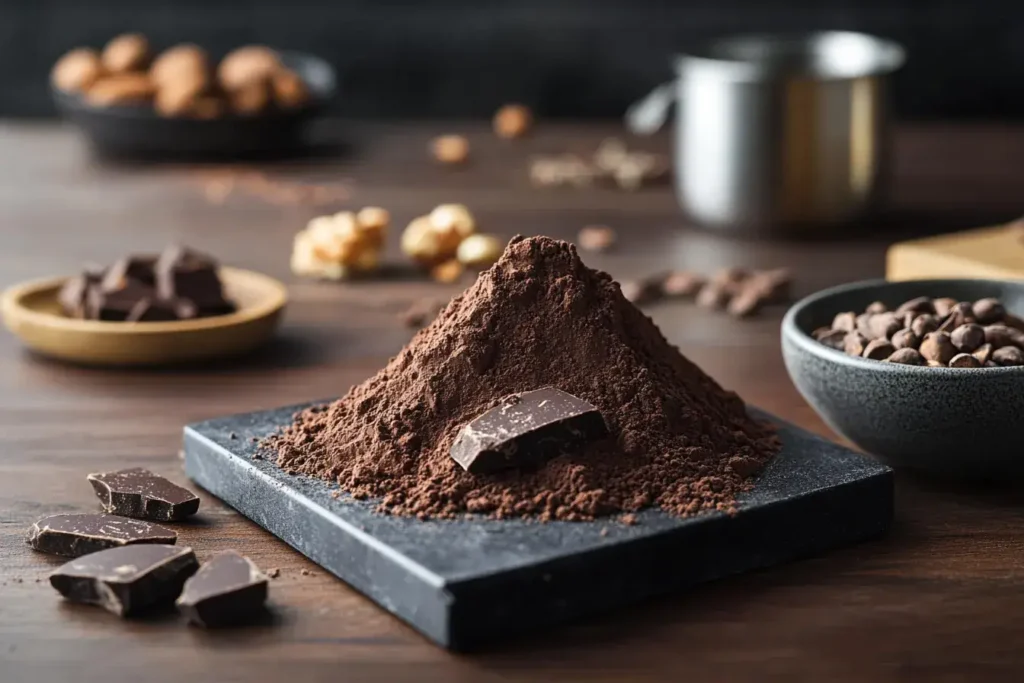
Essential Nutrients in Black Cocoa
Black cocoa isn’t just about color and flavor—it actually has some good stuff in it. Not as much as natural cocoa because of all that processing, but still decent:
Magnesium – Supports muscle and nerve function. I started paying attention to magnesium after getting leg cramps all the time and realizing I wasn’t getting enough.
Iron – Helps with blood production. Important if you’re anemic or just tired all the time.
Zinc – Immune system support. Good to have especially during cold season.
Antioxidants – Combat free radicals and reduce inflammation. Less than natural cocoa but still there.
These nutrients actually matter for overall health. Not saying black cocoa is a health food, but you’re getting some benefits beyond just chocolate flavor.
Comparing Black Cocoa to Regular Cocoa
Both types of cocoa offer health benefits. Black cocoa has slightly less because of the extended processing—strips out some of the natural minerals and antioxidants. Regular cocoa powder keeps more of its original nutrients.
But black cocoa still provides many of the same benefits, just in reduced amounts. Think of it like the difference between fresh orange juice and juice from concentrate. Fresh is better nutritionally, but concentrate still has vitamin C and tastes good. Same concept.
I use both depending on what I’m making. Natural cocoa when I want maximum health benefits and don’t care about color. Black cocoa when presentation matters and I’m okay with slightly fewer nutrients.
Is Black Cocoa Good for Your Diet?
Yeah, in moderation. Low calories, low fat, won’t mess up your diet if you’re watching what you eat. High fiber content helps with digestion and keeps you feeling fuller longer.
I use it in baking without guilt because it’s not adding significant calories or fat to my desserts. The chocolate flavor is there but you’re not loading up on sugar or unhealthy fats.
When used as part of a balanced diet, black cocoa contributes nutrients without the downsides of candy or heavily processed desserts. You’re getting fiber, minerals, antioxidants—just in smaller amounts than with other cocoa types.
Health Benefits of Black Cocoa Powder
The most common question I get is “is this actually good for you or just a baking ingredient?” Answer: bit of both.
Black cocoa has antioxidants that help fight free radicals. These reduce risk of chronic diseases like heart disease. The flavonoids in it may improve blood circulation and lower blood pressure. If you want other antioxidant-rich options, check out how cranberry juice benefits kidney health for another good source.
While black cocoa is more processed than natural cocoa, it still keeps some heart-healthy benefits. Not as much, but some. Good enough for me.
Antioxidants and Their Role in Wellness
Antioxidants protect your body from oxidative stress and reduce cell damage from free radicals. Free radicals are unstable molecules that mess with your cells and contribute to aging and chronic diseases.
Cocoa in general is loaded with flavonoids, which are good for your heart. Studies show that eating antioxidant-rich foods like cocoa reduces inflammation, boosts immune function, protects against cellular damage.
Black cocoa has fewer antioxidants than natural cocoa because of processing, but they’re still there. Every little bit helps.
Black Cocoa for Heart Health
The flavonoids in black cocoa improve circulation and can lower blood pressure. That’s beneficial for cardiovascular health overall.
Regular consumption of cocoa products is linked to lower risk of heart disease and stroke. Improves blood vessel function, reduces blood clot risk. Black cocoa is processed more, so it retains less of these compounds than natural cocoa, but some benefits remain.
Eating it in moderation as part of balanced diet can support long-term heart health. I’m not saying eat black cocoa cake every day and expect to live forever, but having it occasionally isn’t going to hurt you and might actually help a little.
Anti-Inflammatory Properties of Black Cocoa
Chronic inflammation causes all kinds of health problems—heart disease, diabetes, arthritis, the list goes on. Black cocoa has compounds that reduce inflammation, especially in cardiovascular and digestive systems. If you want other anti-inflammatory foods, this chicken soup recipe is good for easing inflammation too.
Adding black cocoa to your diet gives you these anti-inflammatory benefits. Might help reduce risk of inflammation-related issues over time. Not a cure-all, just a small positive contribution.
Black Cocoa and Mental Well-being
Black cocoa might actually affect your mood, which I didn’t know until I looked into it. Contains theobromine, a natural stimulant that can enhance mood and give you gentle energy without the jitters coffee sometimes causes.
Also has compounds that boost serotonin—the happiness chemical in your brain. Can improve feelings of wellbeing and relaxation.
So when you eat black cocoa desserts, you’re satisfying your sweet tooth AND potentially improving your mood. Win-win. I’m choosing to believe this is why I feel good after eating black cocoa brownies and not just because they’re delicious.
Black Cocoa Powder and Skin Health
Didn’t expect black cocoa to have skincare benefits but apparently it does. Same antioxidants and nutrients that help your body internally can benefit your skin externally.
Most people just use it for baking, but some people have figured out it works in skincare routines too. I haven’t personally tried this because I have a whole skincare routine already, but my friend swears by it.
Role of Antioxidants in Skin Health
Antioxidants protect your skin from damage caused by pollution, UV rays, stress. Black cocoa has flavonoids—those same antioxidants that help your heart—that can shield skin from oxidative stress.
You can put products with black cocoa on your skin or make DIY treatments. Apparently helps maintain youthful, glowing skin. According to my friend who does this. I remain skeptical but she has really good skin so maybe there’s something to it.
Hydration and Glowing Skin
Cocoa has hydrating properties when applied topically. Locks in moisture, makes skin soft. The rich texture soothes dry or irritated skin.
That’s why it shows up in DIY face masks and body scrubs. Mix it with honey or yogurt and it enhances hydration, leaving skin looking better. Or so I’m told by people who do this.
DIY Skin Care with Black Cocoa
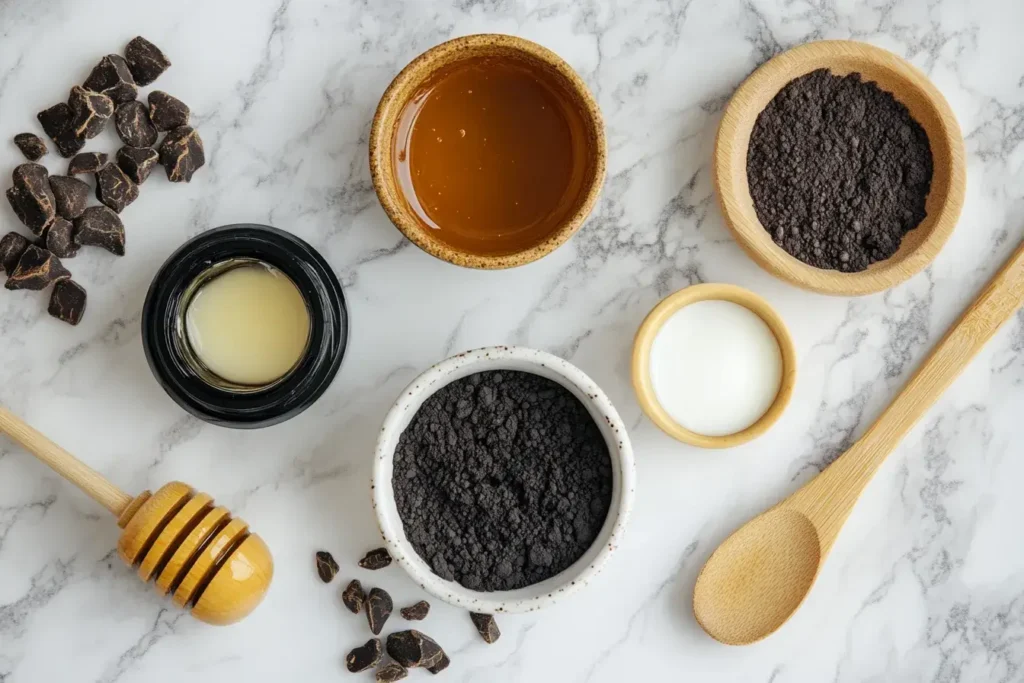
Don’t need expensive products to try black cocoa skincare. Here’s a simple face mask:
Ingredients:
1 tablespoon black cocoa powder 1 tablespoon honey
1 teaspoon yogurt
Mix into smooth paste. Put it on your face, leave for 15-20 minutes, rinse with warm water, pat dry.
Supposedly hydrates skin and provides antioxidants for natural glow. I haven’t tried this because I’d rather just eat the black cocoa in brownies, but if you’re into DIY skincare, go for it.
Obviously these DIY cocoa treatments aren’t replacing actual skincare products from a dermatologist. They’re just fun to try if you’re into that. Patch test first before smearing chocolate paste all over your face. I’m not a dermatologist, just someone who bakes a lot and is relaying what I’ve heard. If you have real skin concerns, talk to a professional instead of trusting random internet advice about cocoa masks.
Black Cocoa in Baking and Recipes
Black cocoa made a name for itself in baking because of how dark it makes everything look. That dramatic color combined with the unique flavor is why bakers love it. Most famous for being the secret ingredient in Oreo cookies—that iconic dark color and specific taste? Black cocoa.
But you can use it in way more than just cookies. I throw it into all kinds of baked goods now to make them more visually interesting. Knowing how to use it properly makes a real difference in how your recipes turn out.
Popular Desserts Made with Black Cocoa
Here’s what people make most often with black cocoa:
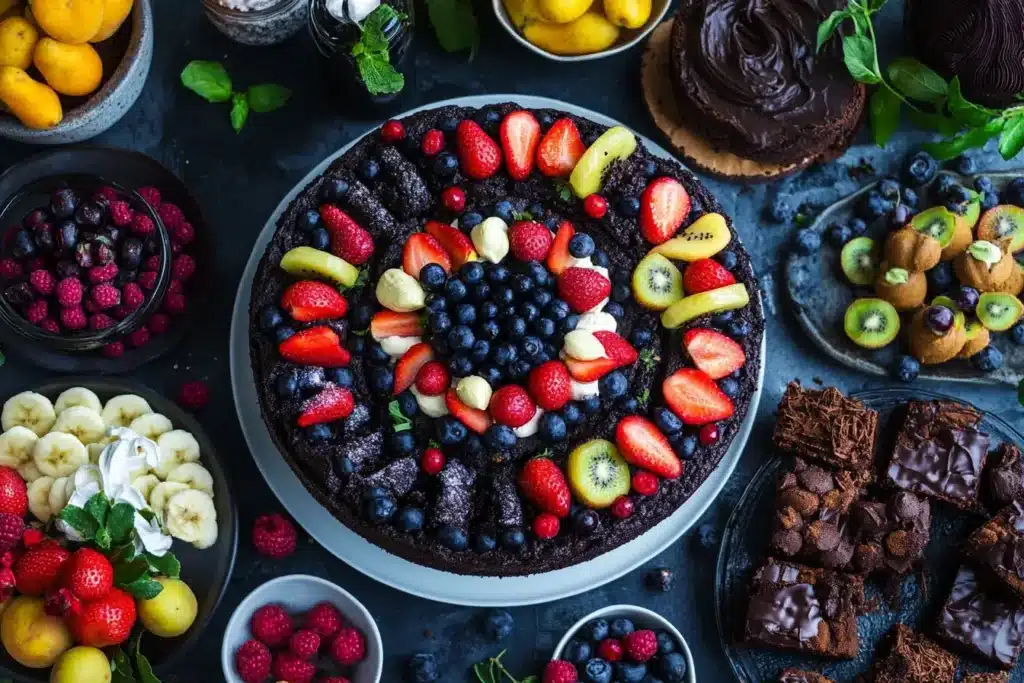
Blackout Cakes: Ultra-dark chocolate cakes that look almost black. The name is literal—they’re so dark they look like a blackout. Perfect for Halloween, dramatic birthday parties, or anytime you want something that makes people go “whoa” when you bring it out. I made one for my friend’s 30th birthday and the photos looked incredible. Deep black cake against white frosting. No contest.
Cookies and Brownies: Transform regular chocolate cookies and brownies into something that looks way more professional. The smooth flavor pairs well with vanilla, caramel, sea salt—pretty much anything sweet. I did black cocoa brownies with salted caramel drizzle and they were gone in under an hour at a party.
Homemade Oreos: This is the gateway drug for black cocoa. Everyone who makes homemade Oreos discovers black cocoa exists because it’s literally impossible to recreate that color and flavor without it. I’ve made probably a dozen batches of homemade Oreos at this point and they’re always a hit. You can customize the filling which makes them better than store-bought.
Whether you’re making cookies, cakes, or whatever else, black cocoa adds depth of flavor and this impressive dark color that makes everything look more elevated than it actually is. That’s valuable.
These DIY cocoa treatments aren’t replacing your actual skincare routine. They’re just a fun thing to try if you’re bored or really into natural beauty stuff. Do a patch test first before putting chocolate on your whole face—learned this from watching my friend have a reaction to something she made with cinnamon once. Not fun.
If you have real skin issues, talk to a dermatologist instead of trusting random internet advice about cocoa face masks. I’m just someone who bakes, not a skin expert.
Black Cocoa in Baking and Recipes
Black cocoa made its reputation in baking basically because of one thing: that insanely dark color. Combined with the unique mild flavor, it became a must-have for certain desserts. Most people know it from Oreo cookies—that signature dark color and specific taste comes from black cocoa.
I use it in way more than cookies now. Once you start, you find excuses to throw it into everything because the visual impact is so dramatic.
Popular Desserts Made with Black Cocoa
Blackout Cakes: These are so dark they’re almost black, hence the name. I made one for Halloween two years ago and it photographed incredibly well—looked like an actual piece of darkness on a cake stand. Perfect for themed events or when you want something that makes people stop and stare.
Cookies and Brownies: Regular chocolate cookies are fine. Black cocoa chocolate cookies look professional and interesting. The smooth flavor works with vanilla, caramel, pretty much anything sweet. Made brownies with black cocoa and sea salt once and people kept asking what bakery they came from. My kitchen. That’s the bakery.
Homemade Oreos: This is how most people discover black cocoa exists—they try making Oreos at home with regular cocoa and realize it won’t work. You need black cocoa to nail that color and flavor. I’ve made these so many times now that I don’t even need to look at a recipe anymore. Muscle memory.
Black cocoa takes desserts from ordinary to memorable just by changing the appearance and adding that smooth chocolate flavor. Worth having around.
How Black Cocoa Enhances Flavor
Black cocoa is less bitter than regular cocoa but still brings this rich, earthy chocolate flavor to desserts. Perfect for when you want chocolate present but not screaming at you.
If you’re looking for other interesting flavor combinations, check out these pancake mix add-ins for creative ideas.
The smoothness lets other flavors in your recipe actually shine. Vanilla, nuts, fruit—they all get to be part of the experience instead of getting buried under intense chocolate.
Also, black cocoa is less acidic because of all that alkalization. Great if you find regular cocoa sometimes has this tangy edge you don’t like. Black cocoa avoids that completely. More mellow, more refined.
Tips for Baking with Black Cocoa Powder
Substitute with care: Black cocoa is intense. Don’t just swap it 1:1 for regular cocoa in every recipe or things get weird. I do half black cocoa, half regular cocoa a lot. Gets you darker color without totally changing the flavor profile.
Adjust measurements: It’s drier than regular cocoa, so your batter might need slightly more liquid to avoid coming out crumbly and dry. I’ve had to add extra milk or oil to recipes before when using 100% black cocoa. Start with a tablespoon extra liquid and see how the batter looks.
Sift before using: Prevents clumps in your batter. I’ve skipped this step when lazy and ended up with dark spots throughout my cake where the cocoa didn’t mix in properly. Just sift it. Takes 30 seconds.
Follow these and your black cocoa desserts will look amazing and taste great.
Black Cocoa Powder as a Natural Food Coloring Agent
Beyond health benefits and flavor, black cocoa works as natural food coloring. That deep, dark color turns regular desserts into eye-catching creations without needing artificial dyes.
I avoid artificial food coloring when I can. Some of them taste weird, some have that chemical aftertaste, and I just prefer natural when possible. Black cocoa lets me make dramatically dark desserts naturally.
Natural Alternatives to Artificial Food Coloring
Lots of people are ditching artificial food coloring because of health concerns about synthetic dyes. Black cocoa is a safe, natural option. It’s just processed cocoa beans—no additives, no chemicals, no weird stuff.
Using black cocoa in recipes gets you rich, dark color without worrying about what you’re eating. That matters if you’re feeding kids or care about keeping processed ingredients out of your food.
Perfect for Special Occasions
Black cocoa is ideal for themed events where appearance matters:
Halloween treats: Spooky black cakes, black cupcakes, dark cookies. The color is perfect for Halloween without needing black food dye that tastes terrible. I made black cocoa cupcakes with orange frosting last Halloween and they looked amazing.
Themed parties: Black-tie event with black desserts? Superhero party with dark-colored treats? Black cocoa handles it. The bold visual element makes everything more memorable.
Gothic or vintage-style desserts: If you’re into that dramatic, moody aesthetic for your baking, black cocoa delivers. I made a Victorian-style layered cake with black cocoa once for a themed dinner party and it was the star of the night.
The natural food coloring aspect plus the flavor contribution makes black cocoa win on multiple levels.
Is Black Cocoa Powder Safe for Everyone?
Black cocoa is generally safe, but some people should be careful or avoid it.
Who Should Avoid Black Cocoa Powder?
People with acid reflux or IBS might have issues. Cocoa products can trigger symptoms because of caffeine content and potential for heartburn. If you’re sensitive to caffeine or cocoa, large amounts of black cocoa might make things worse.
My dad has acid reflux and can’t eat much chocolate or cocoa without feeling terrible afterward. He avoids black cocoa desserts or only has tiny amounts. Know your body and its limitations.
Dietary Restrictions and Sensitivities
If you have food allergies or sensitivities, read the label on your black cocoa before buying it. Some brands process their cocoa in facilities that also handle nuts, gluten, or dairy. Cross-contamination is a real thing—I have a friend with a severe nut allergy who got sick from cocoa powder processed in a facility that also did almonds. Not fun.
Look for allergen warnings or buy certified allergen-free versions if you need that level of safety. Better to spend extra money on the right product than end up in the ER.
Also, if you’re on a low-oxalate diet to prevent kidney stones, you might want to limit black cocoa. Cocoa products have oxalates which can contribute to stone formation in some people. My uncle deals with kidney stones and his doctor told him to watch his cocoa intake. He still eats it occasionally but has to be careful about amounts.
When in doubt, ask your doctor. They know your health situation better than a random baking blog.
Caffeine Content Considerations
Black cocoa has less caffeine than coffee or even regular cocoa, but it’s still there. People sensitive to caffeine—like those with certain heart conditions or insomnia—should watch their consumption.
The caffeine amount is pretty low, but highly sensitive people might notice mild stimulant effects. My friend can’t have any caffeine after 2pm or she can’t sleep. She avoids black cocoa desserts in the evening for this reason.
How Much Is Too Much?
Moderation. Like everything else. Small amounts—tablespoon in baking, teaspoon in smoothies—should be fine for most people. Going overboard might cause digestive issues or caffeine side effects if you’re sensitive.
If you have specific health concerns, ask your doctor before making black cocoa a regular thing. I’m not a medical professional, just someone who bakes a lot and does research before using new ingredients.
Black Cocoa vs. Regular Cocoa: Which Is Healthier?
They’re similar but different. Understanding the comparison helps you pick which one to use.
Taste and Texture Differences
Regular cocoa has strong chocolate flavor with bitterness. Ideal when you want intense chocolate taste front and center.
Black cocoa is smoother, mellower, less acidic. Texture is finer and more velvety from all that extra processing.
The less intense taste makes black cocoa perfect for desserts where chocolate should be subtle. Regular cocoa works better when chocolate needs to be the star. I use both depending on what I’m making.
Nutritional Value: Black Cocoa vs. Regular Cocoa
Both are low-calorie with similar nutritional profiles, but there are differences:
Calories: Both about 12-15 per tablespoon
Fiber: Both have decent fiber, regular cocoa slightly more
Antioxidants: Regular cocoa has more because black cocoa’s alkalization reduces antioxidant content
Caffeine: Both have some, regular cocoa slightly more
Regular cocoa might have a slight nutritional edge because of higher antioxidants. But honestly the difference isn’t huge. Both can be part of healthy diet.
When to Use Black Cocoa Over Regular Cocoa
Regular cocoa is fine for everyday baking. Black cocoa has its specific uses where it really shines:
Visual impact: Making a dessert where appearance matters? Halloween cake, black velvet cupcakes, anything that needs to look dramatic and dark? Black cocoa is your answer. I made a “midnight” themed cake for New Year’s Eve using black cocoa and it looked stunning against gold decorations. Pictures came out incredible.
Milder chocolate flavor: Want chocolate to enhance your recipe instead of dominating it? Black cocoa’s subtle taste works perfectly. Lets vanilla, caramel, fruit flavors come through instead of getting buried under intense chocolate. I use this approach for layered cakes where each layer has different flavors—black cocoa in the cake, fruity filling, vanilla frosting. Everything balances instead of just tis tasting like chocolate overload.
Smooth texture: The velvety, refined texture makes black cocoa great for mousses, frostings, ice cream—anything where you want that silky consistency. Regular cocoa can be slightly grainy sometimes. Black cocoa is smoother. Makes a difference in delicate desserts.
Knowing which cocoa to use when helps you get better results. I grab regular cocoa when I want strong chocolate flavor and don’t care about super dark color. Black cocoa when I want dramatic appearance or subtle chocolate taste. Both have their place. Neither is better or worse, just different purposes.
Where to Buy High-Quality Black Cocoa Powder
Finding good black cocoa got easier as it became more popular. You can shop online or hit specialty stores depending on what’s convenient.
How to Choose the Best Black Cocoa Powder
Look for:
Pure cocoa content: Should be 100% cocoa. No added sugars, fillers, or artificial junk.
Dutch-processed/alkalized: Label should say this. Confirms it’s actually black cocoa and not just dark regular cocoa.
Finely ground texture: Smooth, velvety powder that blends easily. I’ve bought coarse black cocoa before and it didn’t mix well into batters. Fine texture matters.
Organic vs. Non-Organic Options
Organic means grown without synthetic pesticides or fertilizers. Healthier if you care about chemical residues, better for the environment.
Non-organic is cheaper and still works fine in recipes. I buy organic when it’s on sale, non-organic when I’m watching my budget. Both deliver good results.
Personal preference and budget determine which you go with. Either works.
Fair Trade and Sustainable Cocoa Products
Fair trade certification means cocoa farmers got paid fairly and work in safe conditions. Supports ethical and sustainable practices.
If ethical sourcing matters to you, look for fair trade labels. Many quality black cocoa powders come through fair trade organizations. Costs slightly more but you’re supporting better practices.
I try to buy fair trade when I can find it and afford it. Not always possible but I make the effort when it is.
Recommended Brands
Shop at specialty baking stores or online retailers that focus on baking ingredients. They usually carry high-quality black cocoa with options for organic or fair trade certifications.
I won’t name specific brands but there are several good ones out there. Read reviews, try a small container first, see what works for you.
Final Thoughts on the Health Benefits of Black Cocoa
Why Black Cocoa Deserves a Spot in Your Kitchen
Black cocoa is versatile—works for baking, adds drama to desserts, gives you natural dark color. The mild taste lets it complement different flavors without taking over.
I started with one small bag to try it and now keep it stocked permanently. That’s how useful it’s become in my kitchen. Home baker or professional, doesn’t matter. It enhances both appearance and flavor of whatever you make.
If you bake cookies, cakes, even experiment with DIY beauty products, black cocoa is worth having around. Makes things more interesting.
A Healthy Addition to Your Diet
Low calories, high fiber, antioxidants—black cocoa brings actual health benefits when used in moderation. Cut calories and fat in your baking without sacrificing chocolate flavor or visual appeal.
I use it knowing I’m getting some nutritional value beyond just taste. Not a ton, but some. Better than artificial ingredients with zero nutritional benefit which is my usual comparison point for baking additives.
Incorporating black cocoa into your diet is simple. Doesn’t require major changes to how you eat or bake. Just swap it in where it makes sense and enjoy the results—better flavor, better health benefits, better-looking desserts. That’s the whole