

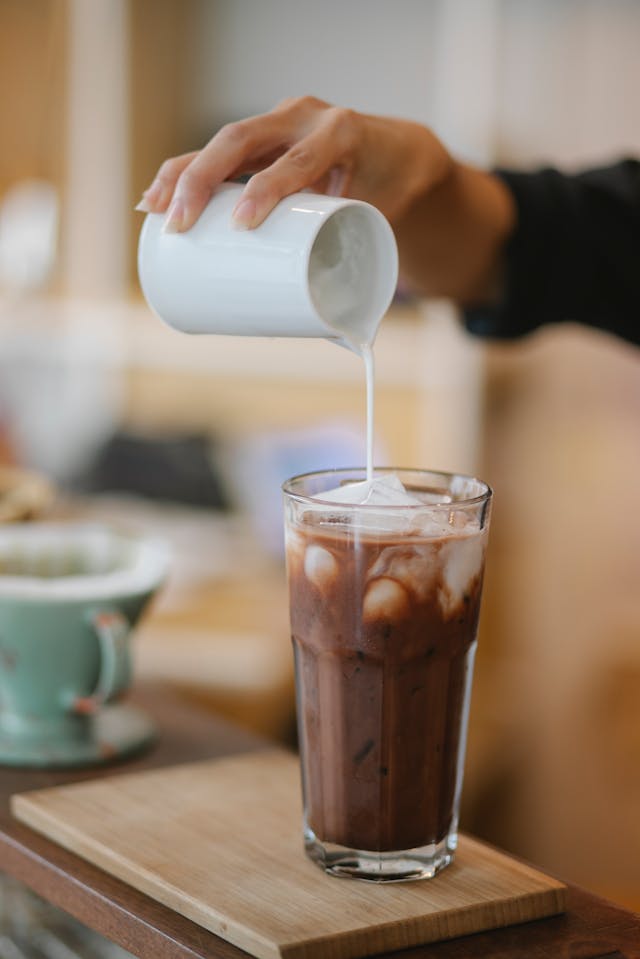
Creamer’s in a lot of people’s coffee. Maybe yours too.
It makes coffee taste better – creamier, sweeter, more flavorful. But is it actually good for you? Or is it one of those things that seems harmless but isn’t?
Let’s figure it out. We’ll look at what’s in creamer, potential health impacts, and how to make smarter choices if you’re gonna use it.
Because understanding what you’re putting in your coffee matters.
Why This Recipe? Is Creamer Good for You?
People love creamer. There’s reasons for that.
1. Convenience and Flavor
Creamer’s easy. Pour a splash in your coffee, done. No mixing multiple ingredients, no measuring stuff out.
Plus it comes in tons of flavors. Vanilla, hazelnut, caramel, pumpkin spice, whatever. Makes your coffee taste different every day if you want.
For busy people? It’s a quick way to make coffee more interesting without extra effort.
The variety’s pretty cool too. Basic vanilla when you want simple. Seasonal flavors when you’re feeling festive. Different options depending on your mood.
2. Works for Different Diets
Nowadays there’s plant-based creamers, sugar-free versions, low-fat options. Something for basically every dietary need.
Vegan? There’s plant-based creamers. Managing diabetes? Sugar-free creamers exist. Watching calories? Low-fat versions.
This flexibility makes creamers accessible to way more people than they used to be.
Lactose intolerant? Plant-based works. Want eco-friendly? Almond or oat milk creamers. Need low sugar? They’ve got that too.
Almost everyone can find a creamer that fits their situation.
3. Moderation Matters
Here’s the thing. Whether creamer’s good or bad depends mostly on how much you use.
A splash of creamer in your morning coffee? Probably fine. Not gonna ruin your health.
But when you start using a ton of it, or drinking multiple cups of heavily creamed coffee every day? That’s when it becomes a problem.
Portion control matters
Using the recommended serving size – usually like 1-2 tablespoons – is fine for most people.
But a lot of people pour way more than that without realizing. Multiple servings per cup, multiple cups per day. Suddenly you’re consuming way more calories and sugar than you think.
Be aware of how much you’re actually using. That’s the key.
What’s Inside Your Creamer? Ingredients That Matter
If you want to know whether creamer’s good or bad for you, you need to know what’s actually in it.
Let’s break down what you’re getting in both dairy and non-dairy versions.
1. Dairy Creamers: Are They Bad for You?
Traditional dairy creamers are made from milk, cream, sugar, and some additives to keep everything stable.
Rich and creamy? Yeah. But also higher in saturated fats and sugars.
- Milk and Cream
This is what makes dairy creamer so creamy. But it’s also what makes it high in fat and calories.
Most dairy creamers use whole milk or heavy cream. That means a lot of saturated fat.
Too much saturated fat = higher cholesterol = increased risk of heart disease. So if you’re using dairy creamer, keep an eye on your total fat intake for the day.
- Added Sugars
Most dairy creamers have a bunch of added sugar. Makes your coffee taste sweet, but it’s not great for your health.
Excess sugar leads to weight gain, increases risk of type 2 diabetes, and isn’t good for your heart.
One tablespoon? Not a huge deal. But if you’re pouring in like ¼ cup per coffee and drinking multiple cups a day? That sugar adds up fast.
Consider cutting back on the amount or switching to a sugar-free version if you’re concerned.
- Preservatives and Stabilizers
These keep creamer from separating and help it last longer on the shelf.
In moderation, they’re not particularly harmful. But if you’re trying to eat cleaner, fewer additives is generally better.
2. Is Plant-Based Creamer a Healthier Option?
Non-dairy creamers made from almond, coconut, oat, or soy milk are everywhere now.
Usually lower in calories and fat than dairy versions. But some still have added sugars and oils.
- Plant-Based Milks
These are lighter alternatives. Good for people who are lactose intolerant or vegan.
Plus they’re cholesterol-free, which is good for heart health.
Oat milk especially has fiber, which helps with digestion and gut health.
- Oils and Emulsifiers
Plant-based creamers use vegetable oils to create that creamy texture. Adds calories and fat.
But not all fats are bad. Coconut oil, for example, is healthier than trans fats you find in some traditional creamers.
Still, check the ingredient list. Make sure there’s no hydrogenated oils or other sketchy fats. Some cheaper brands cut corners.
- Sweeteners
Some non-dairy creamers still have sugar. Others use artificial sweeteners like stevia or sucralose.
Artificial sweeteners are generally considered safe. But some people prefer to avoid them anyway due to concerns about long-term effects.
Check the label. Know what you’re getting.
Is Creamer Bad for You? Potential Health Risks
Creamer tastes good. But there are some downsides, especially if you use a lot of it.
Let’s talk about what could go wrong.
1. High Sugar Content: A Real Problem
Flavored creamers especially? Loaded with sugar.
Drinking that every day can lead to weight gain, increased risk of type 2 diabetes, heart problems. Not great.
And if you’re drinking multiple cups of coffee a day, that sugar adds up fast.
The Math on Sugar
One tablespoon of some popular flavored creamers? About 5 grams of sugar.
Drink three cups of coffee with creamer each? That’s 15 grams of sugar minimum. Probably more if you’re using more than one tablespoon per cup.
American Heart Association says women should have max 25 grams of added sugar per day. Men max 36 grams.
See how quickly creamer can push you over that limit? Three cups of coffee and you’re already at or over your daily sugar allowance. Before you’ve even eaten anything.
Reality Check
Most people don’t measure their creamer. They just pour. Which means they’re probably using way more than one tablespoon.
Be honest with yourself about how much you’re actually using.
2. Unhealthy Fats in Creamers
Traditional creamers often have trans fats or hydrogenated oils. These are bad news.
They raise your bad cholesterol (LDL) and increase risk of heart disease.
Trans Fats Are the Worst
Trans fats don’t just raise bad cholesterol. They also lower your good cholesterol (HDL). Double whammy for your heart.
A lot of manufacturers have reduced or eliminated trans fats now. But some products still have them, especially older stock or cheaper brands.
Check the Label
Always read the ingredient list. Look for “hydrogenated” or “partially hydrogenated” oils. Those are trans fats.
Non-dairy creamers made with coconut or almond milk are usually better options. But still read the label to be sure.
3. Artificial Ingredients
A lot of creamers have artificial flavors, colors, preservatives. All that stuff that makes them taste good and last forever on the shelf.
Are They Safe?
Yeah, generally. FDA says they’re fine. But “safe” doesn’t mean “good for you.”
They’re not adding nutrition. Just making the product taste better and last longer. That’s it.
If You Care About Clean Eating
All those artificial additives? Not ideal if you’re trying to eat cleaner.
Won’t hurt you probably. But they’re processed. Artificial. Not what your body actually needs.
Better Options
Organic creamers exist. Minimally processed ones too. Fewer fake ingredients.
Cost more usually. But if you care about what goes in your body, might be worth it.
Some are even fortified with vitamins or minerals. At least then you’re getting something beneficial along with your coffee flavor.
Some People Are Sensitive
Artificial stuff bothers some people. Digestive issues. Headaches. General feeling crappy.
If you notice you don’t feel great after certain creamers, try switching. See if a cleaner option makes a difference.
Your body knows when something’s not right. Listen to it.
Choosing Healthier Creamers: What to Look For
So creamer’s not the worst thing ever. But some are definitely better than others.
Here’s what to actually look for when you’re buying it.
1. Low-Sugar or Sugar-Free
Cut down on sugar by grabbing creamers labeled low-sugar or sugar-free.
But watch out for artificial sweeteners. Some are fine, some people try to avoid them.
Natural alternatives like stevia or monk fruit are better if you’re concerned about fake sweeteners.
One Thing Though
Sugar-free doesn’t always mean carb-free. Some still have carbs that affect blood sugar.
If you’re diabetic or watching carbs, read the nutrition label carefully. Don’t just trust the “sugar-free” claim on the front.
2. Check for Healthy Fats
Using non-dairy creamer? Look for ones with coconut oil or almond milk. Healthier fats.
Avoid hydrogenated oils. Those are the trans fats we talked about earlier. Bad news.
Extra Points for Omega-3s
Some plant-based creamers are fortified with omega-3 fatty acids. Good for heart health.
Not required. But if you see it, that’s a bonus.
3. Minimal Ingredients = Better
Short ingredient list? Good sign.
Long list of stuff you can’t pronounce? Probably skip it.
What to Look For
Recognizable ingredients. Coconut milk. Almond milk. Oat milk. Stuff you’ve actually heard of.
Not a bunch of chemicals and preservatives and artificial whatever.
Organic and plant-based creamers usually meet this criterion. Cleaner ingredients, less processed.
The Rule
If you can’t pronounce most of the ingredients or don’t know what they are, you probably don’t want it in your coffee every day.
Simple products with real ingredients. That’s the goal.
Nutritional Information: Is Creamer Good for You in Moderation?
Can creamer fit into a healthy diet? Yeah, if you don’t go crazy with it.
Here’s what you’re actually getting nutritionally.
1. Calories and Fat
Traditional creamers? Pretty high in calories and fat. Especially if you pour more than the serving size.
Light or plant-based versions are usually lower. Better option if you’re watching your weight.
The Numbers
One tablespoon of regular dairy creamer? About 35-50 calories.
Plant-based creamer? Maybe 10-15 calories per tablespoon.
Doesn’t sound like a huge difference. But if you’re drinking multiple cups a day, using more than one tablespoon per cup? Those calories add up.
Switching to a lighter option can actually make a noticeable difference over time if you’re trying to manage calories.
2. Added Sugars
Sugar content varies a lot between brands and types.
Flavored creamers tend to have way more sugar than plain ones.
Check the Label
Don’t just trust the front of the package. Flip it over, read the nutrition facts.
See exactly how many grams of sugar per serving. Then be honest about how many servings you actually use.
If you’re concerned about sugar intake, this matters.
3. Fortified Vitamins
Some creamers are fortified with vitamins. Calcium, vitamin D, that kind of stuff.
Sounds good. But the amounts are usually pretty small. Not enough to rely on as your main source.
Still Better Than Nothing
If you’re using creamer regularly anyway, might as well pick one with added vitamins.
Won’t meet all your nutritional needs. But it’s something.
Think of it as a small bonus, not a solution. You still need to get these nutrients from actual food.
FAQs: Is Creamer Good or Bad for You?
1. Is Creamer Bad for Weight Loss?
Depends on what kind you’re using and how much.
Traditional creamer with lots of sugar and fat? Yeah, that’s gonna make weight loss harder.
Low-calorie, sugar-free creamer? Way less of an issue.
Also – Portion Control
Cut your creamer serving in half. Still get flavor, but way fewer calories.
Small change but it actually makes a difference if you’re drinking coffee every day.
2. Can I Use Creamer on a Plant-Based Diet?
Totally. Tons of plant-based creamers now. Almond, coconut, soy milk based.
Good for vegans. Good for people avoiding dairy. Usually lower in calories and fat too.
Bonus
Many brands offer organic and sustainably sourced versions. So you can feel good about the environmental impact while you’re at it.
Easy to find plant-based creamers that fit your ethics and nutrition goals.
3. Is Coffee Creamer Bad for Your Heart?
Some creamers? Yeah, potentially.
The ones with trans fats or hydrogenated oils raise your bad cholesterol. Not great for heart health.
Better Options Exist
Pick creamers with healthy fats and low sugar content.
Avoid the ones with excessive added sugar. Protects your cardiovascular system, reduces heart disease risk.
Small choice, big impact over time.
Conclusion: Is Creamer Good or Bad for You?
So what’s the verdict? Is creamer good or bad?
Depends. On what kind you buy and how much you use.
The Reality
Traditional creamers loaded with sugar and unhealthy fats? Not great for you.
But healthier options exist. Plant-based. Sugar-free. Lower calorie.
Can It Fit Into Your Diet?
Yeah, in moderation.
Read labels. Pick creamers with better ingredients. Watch your portion sizes.
Dairy or non-dairy, doesn’t really matter. What matters is what’s actually in it and how much you’re using.
Bottom Line
You can enjoy your coffee with creamer without ruining your health.
Just be smart about it. Know what you’re buying. Use reasonable amounts.
Balance and moderation. Same advice for basically everything in nutrition, really.
Now you’ve got the facts. Make your own call about whether creamer works for you.
Enjoy your coffee. Just don’t go overboard with the creamer.