

Looking for something to wake you up in the morning that doesn’t involve caffeine? Pineapple juice might be your answer. This stuff’s tropical, refreshing, and actually good for you—packed with nutrients that’ll give you energy and boost your immune system. Doesn’t matter if you’re juggling kids, trying to eat healthier, or just want something that tastes good in the morning. This fits right into whatever routine you’ve got going. Let’s get into making this at home.
Why This Recipe?
The Benefits of Homemade Pineapple Juice
Pineapple juice is loaded with good stuff. You’re getting vitamin C, vitamin B6, manganese, antioxidants—all the things your body needs to function properly. Best part? Pineapples are naturally sweet, so you don’t need to add any sugar. Perfect if you’re watching your sugar intake but still want something that doesn’t taste like punishment. Plus there’s bromelain in there, which is an enzyme that helps with inflammation and digestion. Say goodbye to feeling bloated.
Who Will Love This Refreshing Pineapple Juice?
This works for pretty much anyone:
- Busy Parents: Takes almost no time to make. Throw it together in the morning when you’re rushing around.
- Health-Conscious Individuals: High in vitamins and minerals. If you’re into nutrition, this checks all the boxes.
- Food Enthusiasts: Fresh pineapple juice just hits different. If you appreciate good flavor, you’ll be into this.
- Students and Working Professionals: Need something to help you focus and give you energy in the morning? This delivers. Might even help you sleep better at night.
Ingredients and Substitutes for Pineapple Juice
Essential Ingredients for Fresh Pineapple Juice
Here’s everything you need:
- Fresh Pineapple: 1 medium pineapple, peeled and cored
- Water: 1 cup (more if you want it thinner, less if you want it thicker)
- Lemon Juice: 1 tablespoon (totally optional—only add this if you like it tangy)
- Honey or Agave Syrup: 1-2 tablespoons (optional, only if you need extra sweetness)
- Ice Cubes: 1 cup (if you want it cold right away)
Substitution Options for Pineapple Juice Ingredients
Can’t find something or have dietary restrictions? Here’s what you can swap in:
- Frozen Pineapple: No fresh pineapple? Frozen chunks work fine. Just use less ice so it doesn’t get watered down.
- Coconut Water: Swap regular water for coconut water if you want that tropical vibe and some extra electrolytes.
- Maple Syrup: Going vegan? Use maple syrup instead of honey. Works the same.
- Ginger: Throw in a little fresh ginger if you want some spice and extra digestive benefits. Not required, but it’s good.
Step-by-Step Instructions for Making Pineapple Juice
How to Prepare the Pineapple for Juicing
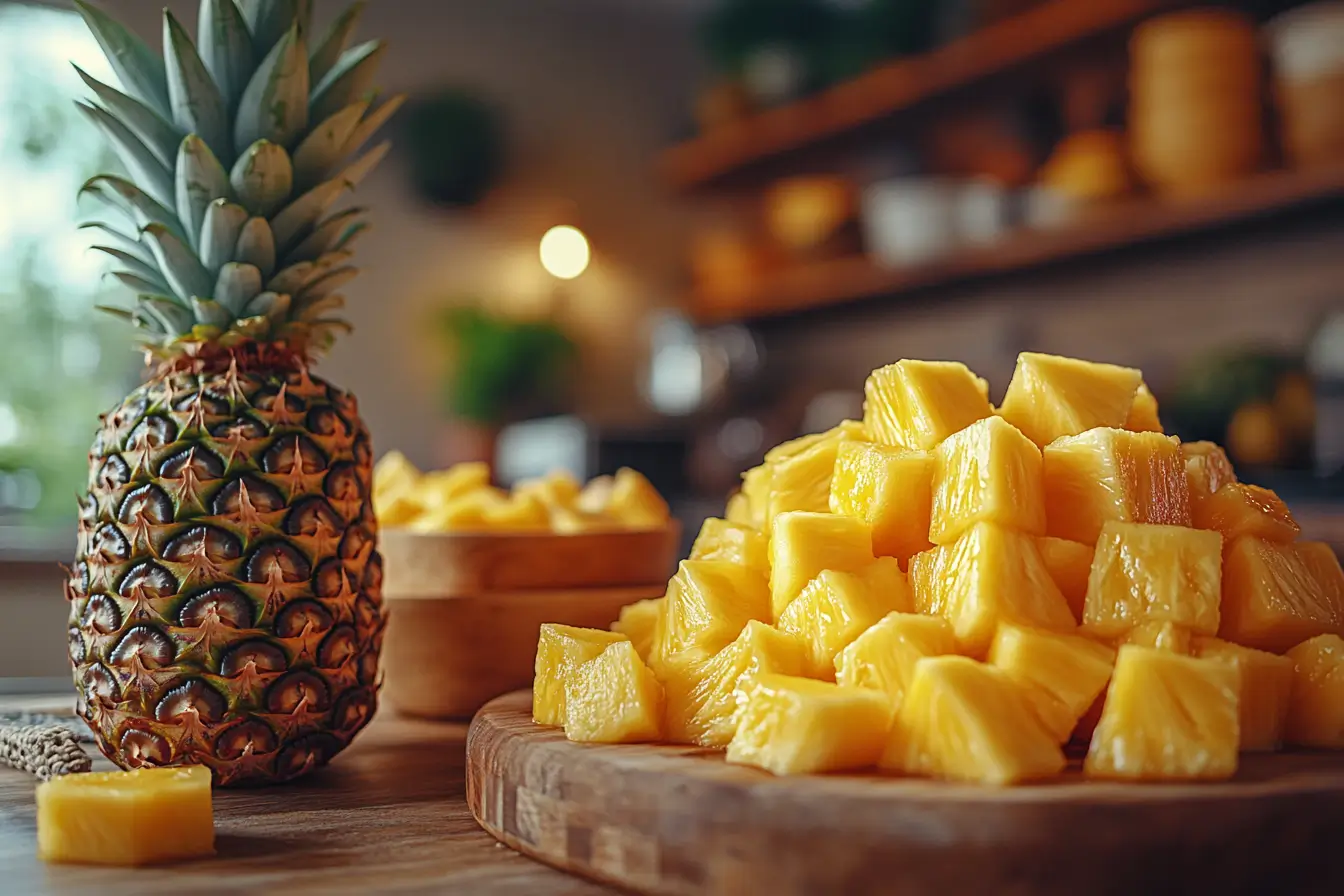
First things first—peel and core your pineapple. Make sure you get all those little brown spots (the “eyes”) off the flesh. They’re tough and bitter, and nobody wants that in their juice. Once it’s cleaned up, chop it into small chunks that’ll fit in your blender easily.
Blending Your Pineapple Juice
Throw the pineapple chunks in your blender with the water. Crank it up to high and let it go until everything’s smooth. If it’s too thick for your liking, add more water or coconut water. Using lemon juice or sweetener? Toss those in now and blend again to mix everything together.
Straining Your Homemade Pineapple Juice (Optional)
Want it really smooth? Run it through a fine mesh sieve or cheesecloth to catch the pulp. But honestly, if you like it thicker with more fiber, skip this step entirely. Pulp’s not a bad thing.
Serving Your Fresh Pineapple Juice
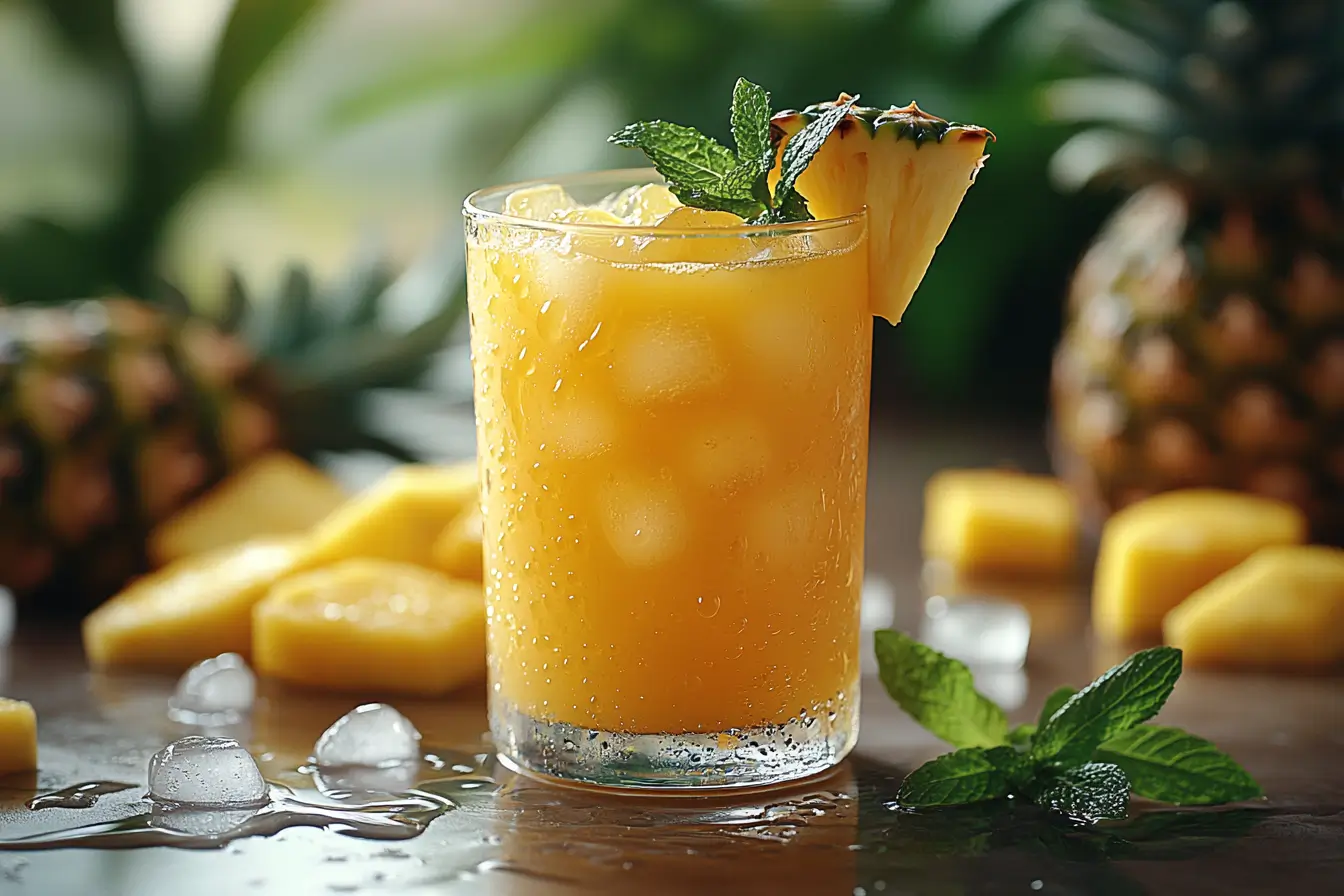
Pour this into a glass with some ice cubes. Give it a stir. Want to make it look fancy? Stick a pineapple wedge on the rim or throw in a mint sprig. Done.
Tips and Tricks for Perfecting Your Pineapple Juice
How to Maximize Flavor in Pineapple Juice
Use a ripe pineapple—this matters. You want one that’s golden colored, smells sweet, and gives a little when you press on it. Not sure if it’s ripe? Pull on one of the leaves at the top. If it comes out easy, you’re good to go.
Make-Ahead Tips for Pineapple Juice
You can make this ahead and keep it in the fridge in an airtight container for about 24 hours. Don’t add ice before storing—just keep it plain. Or freeze it in ice cube trays and use those cubes in smoothies or cocktails later. Works great.
Common Mistakes to Avoid When Making Pineapple Juice
- Over-blending: Don’t blend it forever or it gets all frothy. Just blend until smooth and stop.
- Too Much Sweetener: Pineapple’s already sweet. Go easy on the honey or whatever you’re adding. Start small, taste it, then add more if you really need to.
Variations and Dietary Adjustments for Pineapple Juice
Creative Variations of Pineapple Juice
- Tropical Blend: Add some mango or passion fruit if you want to go full tropical. Flavor explosion in a glass.
- Green Juice: Throw in a handful of spinach or kale. Sounds weird, tastes good, and you’re getting way more nutrients.
- Smoothie: Want something more filling? Add yogurt or a banana when you blend it. Turns it into a proper meal.
Adapting Pineapple Juice for Dietary Needs
- Vegan: Just use plant-based sweeteners like agave or maple syrup instead of honey. Easy switch.
- Low-Sugar: Skip all sweeteners completely—pineapple’s sweet enough on its own. If you absolutely need something, try stevia.
- High-Protein: Add a scoop of protein powder if you’re drinking this post-workout. Makes it more substantial.
Serving Suggestions
Pairing Ideas
This juice goes great with breakfast stuff:
- Tropical Fruit Salad: Pair it with mango, papaya, and kiwi for a full tropical breakfast spread.
- Avocado Toast: The creamy avocado plays off the tangy pineapple juice really nicely.
- Light Pastries: Have it with a croissant or scone. Balances out the richness of the pastry.
Presentation Tips
Pour it in a clear glass so you can see that bright yellow color. Makes it look better. Stick a pineapple slice on the rim, add some fresh mint, or go all out with one of those little umbrellas if you’re feeling fun.
Nutritional Information
Calorie Count and Macros
Here’s what you’re looking at per serving:
| Nutrient | Amount per Serving |
|---|---|
| Calories | 130 kcal |
| Carbohydrates | 34 g |
| Sugars | 25 g |
| Fiber | 2 g |
| Vitamin C | 105% of RDI |
| Manganese | 75% of RDI |
Health Benefits
Look, this isn’t just something that tastes good. It’s actually doing stuff for your body. All that vitamin C? Keeps your immune system working. The manganese helps with your bones and metabolism. And those enzymes pineapple has? They help you digest food better. That’s why drinking this in the morning makes sense.
History and Cultural Significance
Origin of the Recipe
Pineapples come from South America originally. People have been drinking pineapple juice there for centuries—it’s refreshing and good for you, so why wouldn’t they? Eventually it spread everywhere, and now you can find it in pretty much every cuisine around the world.
Cultural Variations
Hawaii mixes this with coconut milk to make what they call a “Pineapple Cooler.” Down in the Caribbean, pineapple juice is the base for all those rum drinks like piña coladas. Every culture that gets their hands on pineapples finds their own way to use them. Same fruit, different takes.
Ingredient Spotlight
Featured Ingredient: Pineapple
Pineapple’s obviously the main event here. Sweet, tangy, packed with vitamin C, antioxidants, and that bromelain enzyme. When you’re picking one out, you want it firm but with a little give when you press on it. Should smell sweet at the bottom too.
Sourcing Ingredients
You can find fresh pineapples all year at most grocery stores, but they’re best during warmer months. Can’t find a good ripe one? Canned pineapple in juice (not syrup—important distinction) works in a pinch. Fresh is always better for flavor and nutrition though.
Cooking Equipment
Essential Tools
- Blender: You need a decent blender for this. High-speed ones work best for getting it smooth and consistent.
- Knife and Cutting Board: For chopping up the pineapple. Pretty basic stuff.
- Strainer: Only if you really hate pulp and want it completely smooth. Otherwise skip it.
Equipment Alternatives
Don’t have a blender? A food processor can work, though your juice might come out a bit thicker. Got nothing but a manual citrus juicer? You can technically use that on pineapple chunks, but honestly it’s a lot of work.
Seasonal Adaptations
Seasonal Ingredients
Summer’s perfect for mixing this with berries or stone fruits. Makes it even more refreshing. Winter? Add a little cinnamon or nutmeg to give it that warm, cozy vibe.
Holiday Variations
Doing a holiday brunch? Splash some sparkling water or champagne in there for a festive mimosa. Stick a cranberry skewer in the glass for decoration. Looks nice, tastes great.
Storage and Reheating Tips
Storage Instructions
Got leftovers? Put them in an airtight container in the fridge. Drink it within 24 hours for best quality. It separates when it sits—totally normal—just stir it up before drinking.
Want to keep it longer? Freeze it. Pour the juice into ice cube trays, freeze them, then dump the cubes in a freezer bag or container. They’ll last about 3 months and you can use them to chill drinks later without watering them down.
Reheating Methods
Yeah, pineapple juice is usually cold. But if you want it warm on a chilly day, pour it in a small pot and heat it gently on low to medium heat. Stir it occasionally. Don’t let it boil though—messes with the flavor and kills some of the nutrients. Warm juice is weirdly comforting when it’s cold outside.
Frequently Asked Questions (FAQs)
1. Can I use canned pineapple for this juice?
Yeah, canned works if you can’t get fresh. Just make sure it’s packed in juice, not syrup—that syrup stuff’s way too sugary. Fresh is always better for flavor and nutrition, but canned’s a decent backup when you need it.
2. How can I make my juice less acidic?
If it’s too tart for you, try adding a little honey or agave syrup. That helps balance things out. Or throw in a ripe banana or some mango slices when you blend it. Adds natural sweetness and cuts the acidity.
3. What are some ways to use leftover pineapple pulp?
So you’ve got all this pulp left over. Don’t just chuck it in the trash—there’s actually a ton of stuff you can do with it.
My go-to? Toss it in smoothies. Extra fiber, plus it already tastes like pineapple so it works with pretty much anything. Or if you’re baking muffins or making pancakes, throw some in the batter. Makes everything taste tropical and keeps it moist.
Want to get fancy? Make salsa. Sounds weird but pineapple salsa is actually really good—sweet and tangy, goes great with fish or chicken.
Not into any of that? Fine, compost it. At least that way it’s not just sitting in a landfill somewhere.
4. Can I make pineapple juice without a blender?
Yeah, but it’s way more work. If you’ve got a food processor, chop up the pineapple, puree it, then strain everything through a fine mesh sieve or cheesecloth to get the juice out. Manual juicer? You can press the chunks through that, though it’s not super efficient. Honestly, a blender makes life so much easier for this.
5. Is pineapple juice suitable for people with dietary restrictions?
This is naturally vegan, gluten-free, and nut-free, so it works for a lot of diets. But heads up—if you’ve got GERD or acid reflux, the acidity might bother you. Drink it in moderation or skip it. Also, if you’re watching sugar, either dilute it with water or drink smaller amounts. The natural sugars add up.
Budget-Friendly Tips
Cost-Saving Alternatives
Making this at home already saves you money compared to buying it at the store. But if you want to save even more, buy pineapples in bulk or grab them when they’re in season—they’re way cheaper that way. Fresh pineapple too expensive? Frozen chunks or canned pineapple in natural juice costs less and still tastes good. You get the same nutrition too.
Cost per Serving
Store-bought juice and smoothies get expensive fast. Homemade? Way cheaper. One pineapple gives you about 3-4 cups of juice. Do the math—you’re paying almost nothing per serving. Plus you’re getting actual nutrients without all that added sugar and preservatives they put in the bottled stuff.
Sustainability and Eco-Friendly Tips
Sustainable Sourcing
When you’re buying pineapples, go organic or local if you can. Supports better farming and cuts down on your carbon footprint. Got a compost bin? Throw the peels and core in there instead of the trash. Small change, but it adds up.
Reducing Food Waste
Don’t waste any part of the pineapple. You can simmer the peels and core to make pineapple water—it’s lightly flavored and you can drink it straight or use it for cooking. That leftover pulp from juicing? Use it in recipes or compost it. Nothing needs to go in the trash.
Kid-Friendly Adaptations
Making it Kid-Friendly
Kids sometimes find pineapple too tart. Cut the acidity by adding water or coconut milk. Or throw in strawberries or bananas to make it sweeter naturally—no added sugar needed. Makes it way easier for kids to drink while still being healthy.
Fun Presentation Ideas
Kids eat with their eyes first, right? Make it look fun. Use colorful straws, serve it in a fancy glass, or stick a fruit skewer with pineapple chunks in there as garnish. Or turn the juice into popsicles for hot days. They’ll actually want to eat something healthy.
Recipe Scaling
Adjusting Portions
This recipe’s super flexible. Making it for a crowd? Double or triple everything and blend in batches. Just need one glass? Use half a pineapple and adjust everything else. Pretty straightforward.
Meal Prep and Batch Cooking
Perfect for meal prep. Make a big batch on Sunday, portion it out, stick it in the fridge or freezer. Then you’ve got a healthy drink ready whenever you need it. No thinking required in the morning.
Pairing with Beverages
Drink Pairings
This mixes well with other drinks. Want something boozy? Add rum for a piña colada. Prefer non-alcoholic? Try it with herbal iced tea or sparkling water for fizz. It’s also great as a smoothie base—works with coconut milk, yogurt, other tropical fruits, all of it.
Mocktail Options
Not drinking? Pineapple juice makes great mocktails. Mix it with ginger ale and lime for a Pineapple Ginger Fizz. Or blend it with coconut milk and vanilla extract for something creamy and tropical. Tons of options.
Conclusion
So that’s it—pineapple juice. Super easy to make, tastes great, and you can do whatever you want with it. Need a quick breakfast drink? This works. Want something refreshing in the afternoon? Got you covered. Looking for a cocktail or mocktail base? Perfect. Pineapple’s naturally sweet and everyone likes it—kids, adults, doesn’t matter. And with all the ways you can customize it, you can make it work for whatever diet or preferences you’ve got.
Try it out. Leave a comment and let us know how it went. Did you add something different? We want to hear about it. If you liked this, check out the other recipes on the blog and sign up for the newsletter to get more stuff from Eric’s Recipes. Here’s to starting your day with something that actually tastes good and is good for you.