

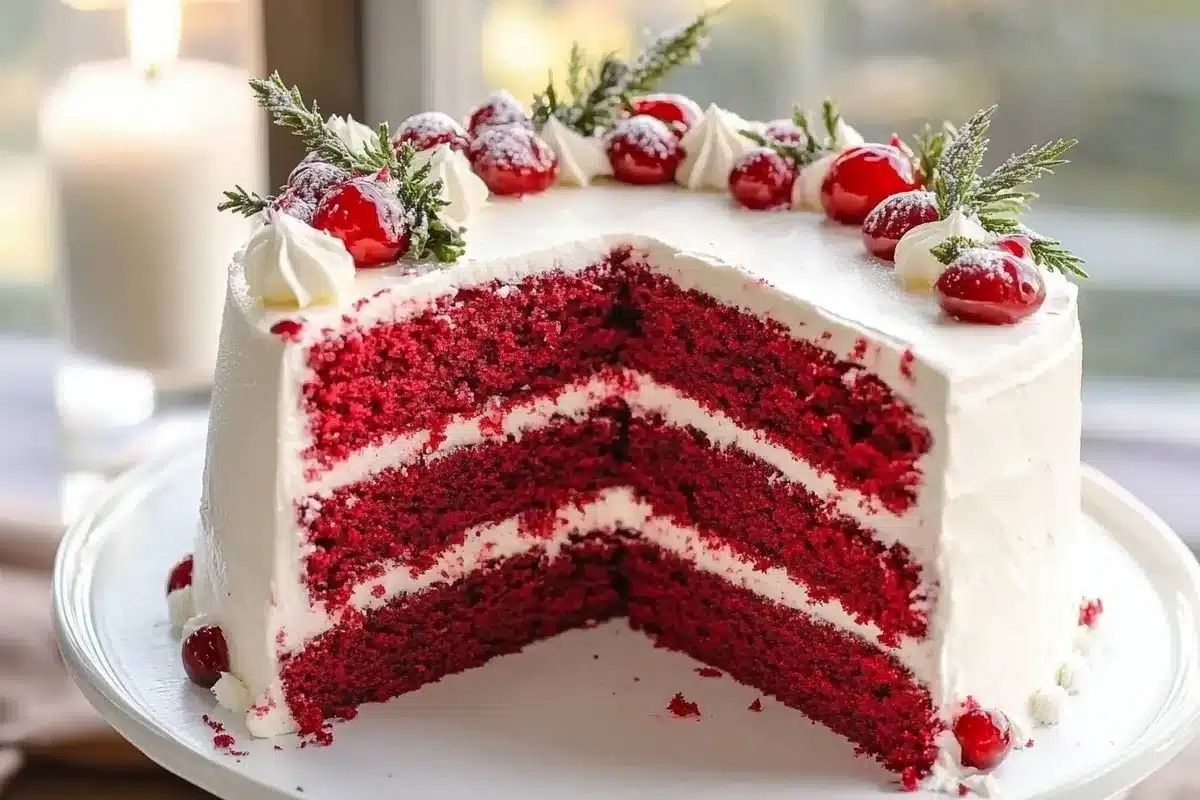
Red velvet cake is one of those desserts that people get genuinely excited about. Like, I’ll mention I’m bringing it to something and immediately get three texts asking if there’ll be leftovers. There’s something about that deep red color and the soft texture—it looks impressive even if you’re not trying that hard.
I’ve been making this for probably six or seven years now? Started in college when my roommate had a birthday and specifically requested red velvet because her mom used to make it. I’d never attempted it before but figured how hard could it be. Turns out, not that hard once you figure out the basics.
The classic version is solid. Nothing wrong with just making it exactly as the recipe says. But once you’ve made it a few times and know what you’re doing, you can switch things up. Red velvet cupcakes are way easier to transport than a full layer cake—learned that after trying to bring a three-layer cake on the subway once. Not my finest moment.
Layer cakes with cream cheese frosting and strawberries between the layers look really fancy for photos. Last Christmas I was feeling adventurous and mixed peppermint extract into the frosting. My aunt asked for the recipe three times in one night, which is basically the highest compliment you can get in my family. My cousin started doing this version where she adds extra cocoa powder and it ends up halfway between red velvet and full chocolate cake. She brings it to everything now.
Here’s what actually matters after making this more times than I can count: fresh buttermilk isn’t optional. I tried substituting it once with regular milk plus vinegar because I ran out. Tasted wrong. The tang from buttermilk is literally what separates red velvet from just being chocolate cake with food coloring dumped in.
The cocoa powder amount is weirdly specific too. Too much and it’s chocolate cake. Too little and it tastes flat. There’s this exact balance you need to hit—enough for richness but not enough to overpower everything. Took me like five tries to figure that out properly.
Don’t stress about the frosting choice. Cream cheese is traditional and what I usually do because that tangy-sweet combination is perfect. But I made one with lemon frosting for a summer BBQ last year when it was like 90 degrees out and cream cheese sounded too heavy. Turned out great. My friend Emma exclusively makes hers with whipped cream frosting because she can’t stand cream cheese. Still tastes good, just different. It’s your cake, do what you want.
Whether you’re making this for your kid’s birthday party or because you woke up on a random Tuesday craving cake, the details matter. Getting them right is the difference between people saying “oh this is nice” and people asking for the recipe while they’re still eating their first slice.
Anyway, here’s how I actually make it.
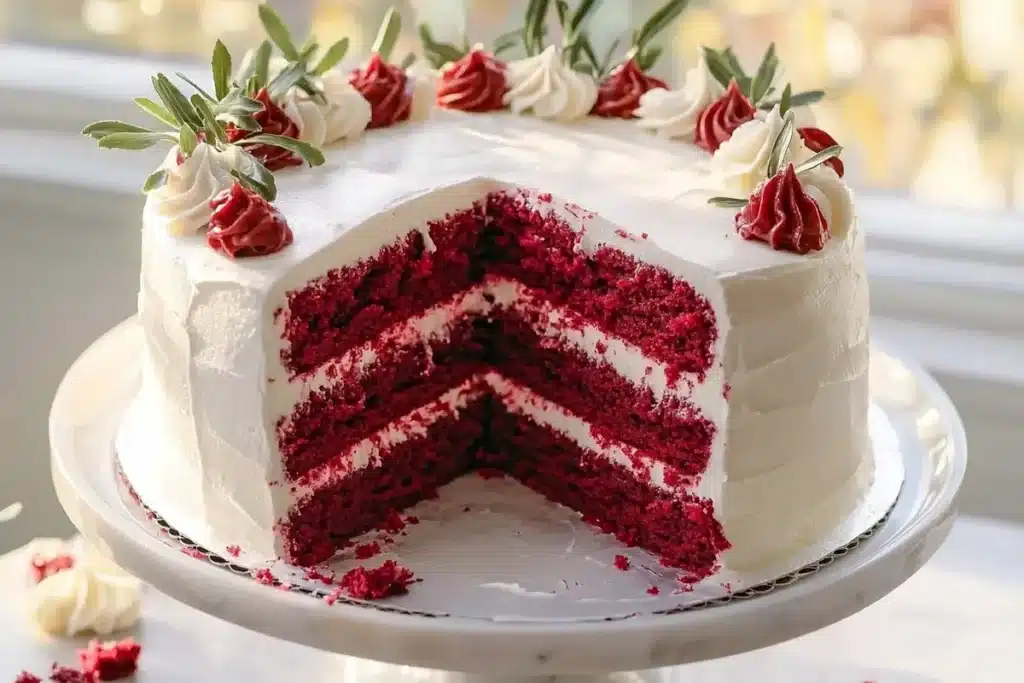
Ingredients for Red Velvet Cake:
This recipe makes enough for 8–10 people. Good for parties or having leftovers for the next few days.
Dry Ingredients:
- 2 ½ cups all-purpose flour
- 1 ½ cups granulated sugar
- 1 teaspoon baking soda
- 1 teaspoon baking powder
- 1 teaspoon fine salt
- 1 tablespoon unsweetened cocoa powder – Not enough to make it chocolate cake, just enough for subtle flavor
Wet Ingredients:
- 1 cup vegetable oil (or canola oil if you want something lighter)
- 1 cup buttermilk, at room temperature – This is key, don’t skip it
- 2 large eggs, at room temperature
- 2 tablespoons red food coloring – This is what makes it RED red
- 1 teaspoon vanilla extract
- 1 teaspoon distilled white vinegar – Reacts with the baking soda for texture
For the Cream Cheese Frosting:
- 8 ounces cream cheese, softened
- ½ cup unsalted butter, softened
- 4 cups powdered sugar, sifted – Sift it or it’ll be lumpy
- 1 teaspoon vanilla extract
Optional Variations:
Want to mess around with the recipe? Try these:
Chocolate Variation: Replace a couple tablespoons of flour with extra cocoa powder. Makes it richer and more chocolatey. I do this sometimes when I’m in a chocolate mood.
Nutty Twist: Fold in ½ cup crushed pecans for crunch. My mom does this every time she makes it. Adds texture that’s actually pretty good.
Fruit Infusion: Add a tablespoon of orange or lemon zest to the batter. Gives it this fresh citrus note that cuts through the richness.
Experiment with Frosting: Try vanilla buttercream or chocolate ganache instead of cream cheese. Different flavor profile but still works. I made it with chocolate ganache for my brother once because he hates cream cheese. He actually liked it.
Each ingredient matters here. Don’t substitute randomly or you’ll end up with something that doesn’t taste right. Stick to the measurements and you’ll get a moist, flavorful cake every time.
How to Prepare Red Velvet Cake:
Making red velvet cake isn’t complicated but you do need to pay attention. Here’s how I do it.
Gather Your Ingredients
Get everything out first. You need: 2 ½ cups all-purpose flour, 1 ½ cups granulated sugar, 1 teaspoon baking soda, 1 teaspoon salt, 1 teaspoon cocoa powder, 1 ½ cups vegetable oil, 1 cup buttermilk, 2 large eggs, 2 tablespoons red food coloring, 1 teaspoon vanilla extract, and 1 teaspoon white vinegar.
Prepare the Oven and Pans
Turn your oven to 350°F. Grease two 9-inch round cake pans with butter, then dust them with flour. Shake out the excess. This stops the cakes from sticking. I forgot to do this once and had to dig the cake out of the pan with a spoon. Not fun.
Mix Dry Ingredients
Grab a big bowl. You’re gonna dump in the flour, sugar, cocoa powder, baking soda, and salt all at once. Take a whisk and mix it all together until you can’t see separate ingredients anymore—everything should look evenly blended and one uniform color.
I used to just stir this with a spoon but using a whisk actually makes a difference. Gets more air in there and distributes the leavening agents (baking soda and baking powder) more evenly so you don’t get weird pockets where the cake rises more in some spots than others.
Combine Wet Ingredients
Different bowl for this. Whisk together the buttermilk, vegetable oil, eggs, red food coloring, vanilla extract, and white vinegar. Keep whisking until everything’s smooth and completely mixed. No streaks of egg white, no oil floating on top, just a smooth, uniform red mixture.
Fair warning—the red food coloring will stain everything it touches. I’ve dyed my hands pink more times than I can count. If you’re worried about that, wear gloves. Or just accept that your fingers will be red for a day or two. Comes off eventually.
The mixture should look really vibrant and red at this point. If it looks more pink than red, you might need more food coloring. I usually just eyeball it and add more if needed.
Blend Wet and Dry Ingredients
Pour the wet mixture into the dry ingredients slowly. Stir gently with a spatula or wooden spoon. Stop as soon as you don’t see dry flour anymore. Don’t overmix. A few lumps are fine. Overmixing makes the cake dense and tough.
Pour the Batter into Pans
Split the batter evenly between your two prepared pans. Use a spatula to smooth the tops so they’re level. If one pan has way more batter than the other, your layers will be lopsided. I eyeball it but you can use a scale if you’re precise like that.
Bake the Cake
Put the pans in the oven. Set a timer for 25 minutes. Check them at 25 by sticking a toothpick in the center. If it comes out clean, they’re done. If there’s wet batter on it, give them another 5 minutes. My oven runs hot so mine are usually done at 28 minutes. Ovens vary.
Cool the Cakes
Take them out and let them sit in the pans for 10 minutes. Then flip them onto a wire rack to cool completely. If you try to frost them while they’re warm, the frosting melts and slides off. I’ve done this. It’s terrible.
Prepare the Frosting
While the cakes cool, make the cream cheese frosting. Beat together softened cream cheese, butter, powdered sugar, and vanilla extract until it’s smooth and creamy. Taste it. If it needs more sugar, add more. This is your frosting, make it how you like it.
Assemble the Cake
Once the cakes are completely cool, put one layer on a plate or cake stand. Spread frosting on top—as much or as little as you want. Place the second layer on top. Frost the top and sides. If you want it really smooth, chill the cake for 15 minutes, then add a second coat of frosting. Makes it look professional.
Your red velvet cake is done. Cut into it and enjoy.
Tips for the Perfect Red Velvet Cake
Here’s what I wish someone had told me before I made my first red velvet cake:
Maintain the Correct Temperature
Room temperature ingredients matter. Take your butter, eggs, and buttermilk out of the fridge about an hour before you start. If they’re cold, the batter won’t mix right and the cake won’t rise properly.
I used to forget this all the time. Now I set an alarm on my phone an hour before I want to bake. Butter should be soft but not melted—you should be able to press a finger into it easily.
Use Quality Ingredients
Don’t cheap out on cocoa powder and vanilla extract. The cheap stuff tastes fake and makes your whole cake taste off. Get good quality cocoa and real vanilla extract. It’s worth the extra few dollars.
Use gel food coloring instead of liquid. Gel is way more concentrated so you need less, and it gives you that vibrant red color without making your batter too wet. Liquid food coloring makes the cake more pink than red unless you use like half a bottle.
Substitutions for Dietary Restrictions
Need to make this for someone with dietary restrictions? Here’s what works:
- Gluten-Free: Swap the all-purpose flour for a gluten-free blend that has xanthan gum in it. I’ve done this for my friend with celiac and it turned out fine. Slightly different texture but still good.
- Dairy-Free: Use almond or coconut milk instead of buttermilk. Make your own “buttermilk” by mixing plant milk with a tablespoon of vinegar or lemon juice. Let it sit for 5 minutes until it curdles.
- Eggless: Replace each egg with ¼ cup unsweetened applesauce or a flax egg (1 tablespoon flaxseed meal + 3 tablespoons water per egg). The texture changes slightly but it still works.
Tips for Consistent Results
Measure flour correctly. Don’t scoop it straight from the bag or you’ll pack too much in. Spoon it into the measuring cup and level it off with a knife. Makes your cake lighter.
Mix the batter until just combined. Stop as soon as you don’t see dry ingredients. I used to overmix thinking it needed to be perfectly smooth. Ended up with dense, tough cakes. Now I stop early and they’re way better.
Decorating and Serving
Cream cheese frosting is the classic pairing and honestly the best option. The tanginess balances the sweetness perfectly. My aunt tried making it with regular buttercream once and everyone complained it was too sweet.
Let the cake layers cool COMPLETELY before frosting. I know you’re impatient. I am too. But warm cake = melted frosting sliding everywhere. Just wait.
Chill the completed cake for 20-30 minutes before cutting. Gives the frosting time to set and makes cleaner slices. Looks way better when you serve it.
Follow these tips and your red velvet will turn out good every time.
Storage Tips for Red Velvet Cake:
Optimal Storage Conditions
Keep your cake in a cool, dry place. Room temperature works for short-term storage if your kitchen isn’t too warm. If it’s hot or humid, refrigerate it or the frosting will start melting and the cake will get dry.
Don’t put it near the stove, oven, or in direct sunlight. Heat dries it out and ruins the texture.
Keeping the Cake Fresh
For longer storage, wrap it tight. Use plastic wrap or aluminum foil to cover it completely. This locks in moisture and keeps it from absorbing weird fridge smells like leftover curry or whatever else you have in there.
If you’ve got leftover slices, store them separately with parchment paper between each slice. Makes it easier to grab one without the frosting sticking everything together.
Storing Red Velvet Cake in the Refrigerator
Refrigerated cake lasts about 5-7 days. Keep it in an airtight container or wrapped in plastic wrap for extra protection.
Before serving refrigerated cake, let it sit at room temperature for 30 minutes to an hour. Cold cake doesn’t taste as good and the frosting gets hard. Room temp brings back the flavor and soft texture.
Freezing for Future Enjoyment
You can freeze red velvet cake for up to three months. Wrap individual slices in plastic wrap, then aluminum foil. Double-wrapping prevents freezer burn and keeps it tasting fresh.
When you want to eat it, take it out and thaw it in the fridge overnight. Then let it come to room temp before serving. Don’t freeze cake with cream cheese frosting if you can avoid it—the frosting texture gets weird when it thaws. Better to freeze unfrosted layers and add frosting after thawing.
Recognizing Spoilage
Before eating stored cake, check it. If it smells off, has visible mold, or the texture changed dramatically, throw it out. Not worth getting sick over cake.
I once ate cake that had been in the fridge for like 10 days because I didn’t want to waste it. Bad decision. Don’t be like me.
Follow these storage tips and your cake stays good way longer.
Related Recipes
If you like red velvet cake, try these:
- Chocolate Cake: Rich, decadent, often frosted with cream cheese or buttercream just like red velvet. The moist texture and deep flavor make it a good alternative when you want something similar but more chocolatey.
- Carrot Cake: Has that same moistness and warm spice notes. Usually topped with cream cheese frosting too, so it’s got that tangy-sweet combo going on. My mom makes this more than red velvet because it feels slightly healthier with the carrots. It’s not, but she likes to pretend.
- Vanilla Bean Cake: Light and fluffy with subtle vanilla flavor. Pair it with berry compote or cream cheese frosting to mimic what you get with red velvet. Good when you want something less rich.
- Lemon Drizzle Cake: Complete opposite of red velvet in terms of flavor but the bright lemon cuts through richness in a similar way. Topped with sweet glaze or lemon icing. Really good in summer when heavy cakes feel like too much.
All of these work well for celebrations and have that special occasion feel that red velvet brings.
Frequently Asked Questions:
What is the history of red velvet cake?
Started showing up in the early 1900s. Some people say it came from the Waldorf-Astoria Hotel in New York. Got really popular in the 1920s, especially in the southern United States where people loved the vibrant color and rich flavor for special occasions.
Originally the red color came from a chemical reaction between cocoa powder and acidic ingredients like buttermilk and vinegar. Created a reddish-brown tint. Now most recipes just use red food coloring to get that bright red color everyone expects.
What makes red velvet cake red?
Used to be the reaction between cocoa powder and acidic ingredients that made it reddish-brown. But most modern recipes add red food coloring to really amp up the color. Makes it more vibrant and visually appealing, which is why it’s such a popular choice for Valentine’s Day, anniversaries, all that stuff.
I’ve made it without food coloring before just to see. Came out more of a brownish color. Tasted the same but didn’t look as impressive.
Can I use a different frosting for my red velvet cake?
Cream cheese frosting is traditional and honestly the best match, but yeah, you can use whatever you want. Some people do buttercream or whipped cream. I’ve seen chocolate ganache on red velvet which is weird but apparently tastes good.
Just depends on your preference and what occasion you’re making it for. I stick with cream cheese because that tangy flavor balances the sweetness perfectly.
How do I store red velvet cake?
Cover it tight with plastic wrap or aluminum foil, or put it in an airtight container. Stays fresh at room temperature for about 3 days, in the fridge for up to a week. For longer storage, freeze it—lasts up to 3 months if wrapped properly.
I usually refrigerate mine because my kitchen gets warm and the frosting starts melting otherwise.
Is it possible to make a gluten-free red velvet cake?
Yeah, totally. Use a gluten-free all-purpose flour blend instead of regular flour. Look for one that has xanthan gum already in it—that helps with texture. Follow a recipe specifically made for gluten-free baking to make sure it turns out right.
I’ve made this for my friend who can’t have gluten and she said it was just as good as the regular version. Maybe slightly different texture but still really good.
Is red velvet cake the same as chocolate cake?
Not really. They share some ingredients but red velvet is more subtle. It has buttermilk and vinegar which give it distinct tangy flavor notes that chocolate cake doesn’t have. The cocoa powder is there but it’s not enough to make it taste like full chocolate cake.
The cream cheese frosting and that red color also set it apart. It’s its own thing, not just chocolate cake with food coloring.
Conclusion:
Making red velvet cake with that stunning red color and fluffy texture is easier than you’d think. This recipe works for bakers at any level—I made my first one in high school and it turned out fine despite me having no idea what I was doing.
The great thing about this cake is how flexible it is. Use buttermilk for richness or oil for moisture. Adjust the sweetness, add more chocolate, switch the frosting to whipped cream instead of cream cheese—all of it works. You can customize it however you want.
Just follow the basic recipe, pay attention to the details like room temperature ingredients and not overmixing, and you’ll end up with a cake that looks impressive and tastes even better. Make it your own and have fun with it.