

Introduction to Corn Nuggets
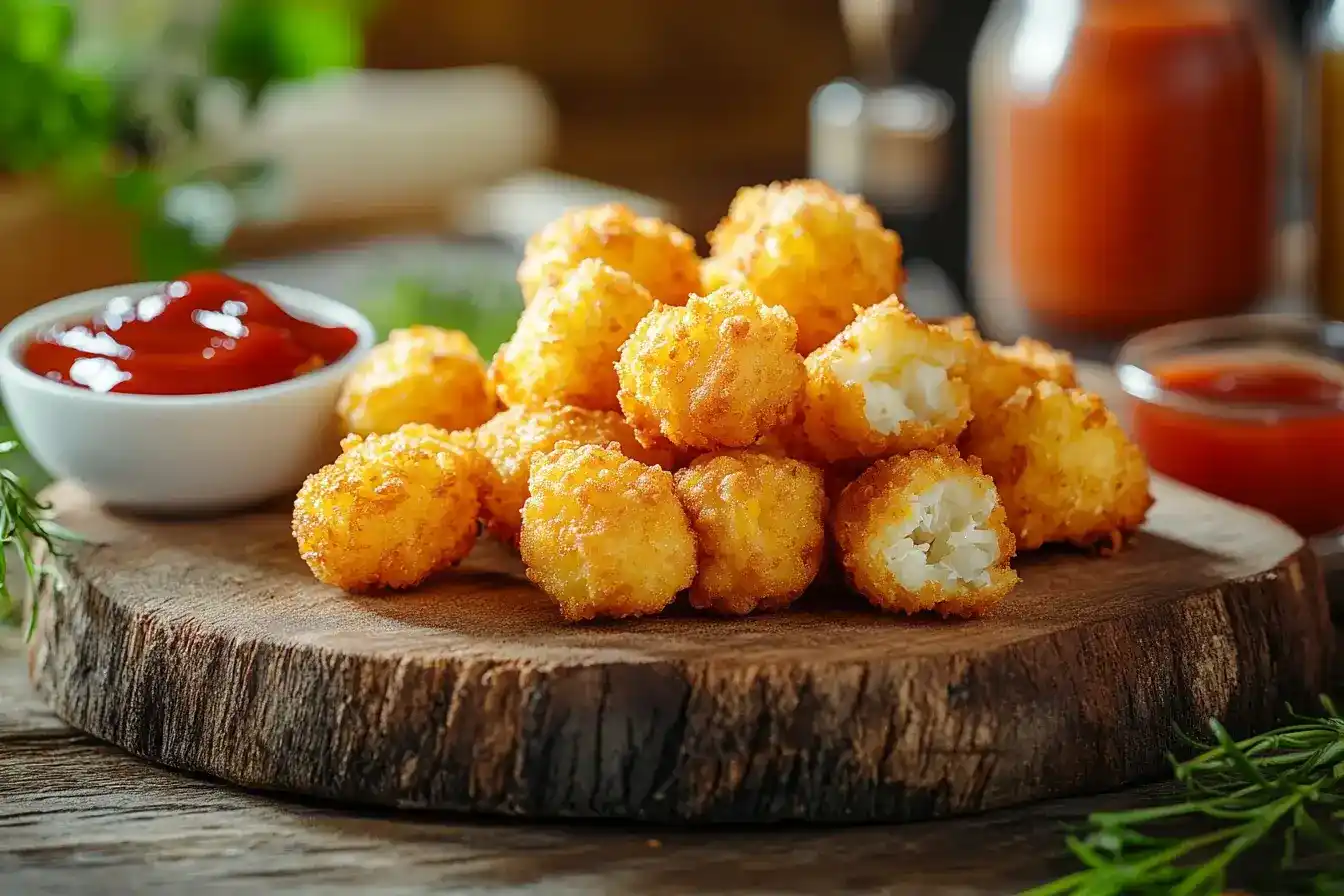
Corn nuggets bring me straight back to summers at the state fair. Golden, crispy little bites that you’d get in a paper basket with ranch dressing on the side. I probably ate my weight in corn nuggets every year at the county fair growing up. Now I make them at home because waiting a whole year for the fair to come around is too long.
These bite-sized treats have that crispy outside, soft corn-filled inside combo that’s hard to resist. The comfort food factor is real—every bite brings back those nostalgia feelings.
What makes them great is how versatile they are. Eat them plain and they’re good. Dip them in ranch, honey mustard, or hot sauce and they’re better. Serve them as a side dish with dinner and they fit right in. Easy to make, cheap, and you can adapt them for whatever diet you’re doing. That’s why they work for basically any gathering or casual meal.
This guide covers what’s actually in corn nuggets, how to make them at home without screwing them up, and tips for getting them perfectly crispy. I’ll also talk about different variations and how to store/reheat them so you can make a big batch and eat them all week. Whether you’ve been cooking for years or you’re just starting out, this will help you make corn nuggets that people actually want to eat.
What Are Corn Nuggets Made From?
You need like five ingredients max. Nothing you have to hunt down at specialty stores or whatever. Just regular stuff.
Corn is obviously the star. I go back and forth between whole kernels and creamed corn. Kernels give you these little sweet explosions when you bite through the crispy part. Creamed corn makes everything smooth and consistent, which I actually prefer most of the time because I’m lazy and it’s easier to work with. Less chance of kernels falling out when you’re trying to shape them.
Batter’s made from flour, eggs, couple seasonings. That’s it. That’s what makes them crispy outside, soft inside. Nothing fancy.
Here’s the thing nobody tells you—batter consistency matters way more than you’d think. Too thin and they disintegrate the second they hit the oil. Happened to me the first time I made these. Just watched half my batch dissolve into the fryer and had to fish out corn mush with a strainer. Not fun. Too thick and you get these dense hockey pucks that taste like fried flour with corn buried somewhere inside.
Get it right though—thick dough that holds together—and you’re golden. Literally. Fry for 3-4 minutes per batch until they’re that perfect brown color.
Don’t want to deal with a pot of hot oil? Totally get it. Bake them or air-fry them instead. I’ve tried both when my kitchen was too hot to run the stove. Not gonna lie, they’re not as good as deep-fried. Deep-fried is superior, that’s just physics. But they’re still pretty solid. Air fryer especially—if you spray them with cooking oil first they get surprisingly crispy. My roommate swears by the air fryer method because she’s terrified of deep frying after burning herself once.
People compare these to hush puppies and corn fritters all the time, which I get because they’re all fried corn things. But they’re different. Corn nuggets taste sweeter. That inside-outside texture contrast is way sharper. Hush puppies are more savory and onion-forward. Corn fritters are all over the place texture-wise, sometimes you get a good one, sometimes not. Corn nuggets are consistent.
Basic recipe uses normal ingredients, but you can adapt for whatever dietary thing you’ve got going on. My friend can’t have gluten so I made a batch with Bob’s Red Mill gluten-free flour last Thanksgiving. She ate like eight of them and said she couldn’t tell they were GF. Vegan? Flax eggs and plant milk work fine. I’ve done that version for a potluck before. Nobody knew until I told them.
Main Ingredients in Corn Nuggets
Corn Kernels or Creamed Corn
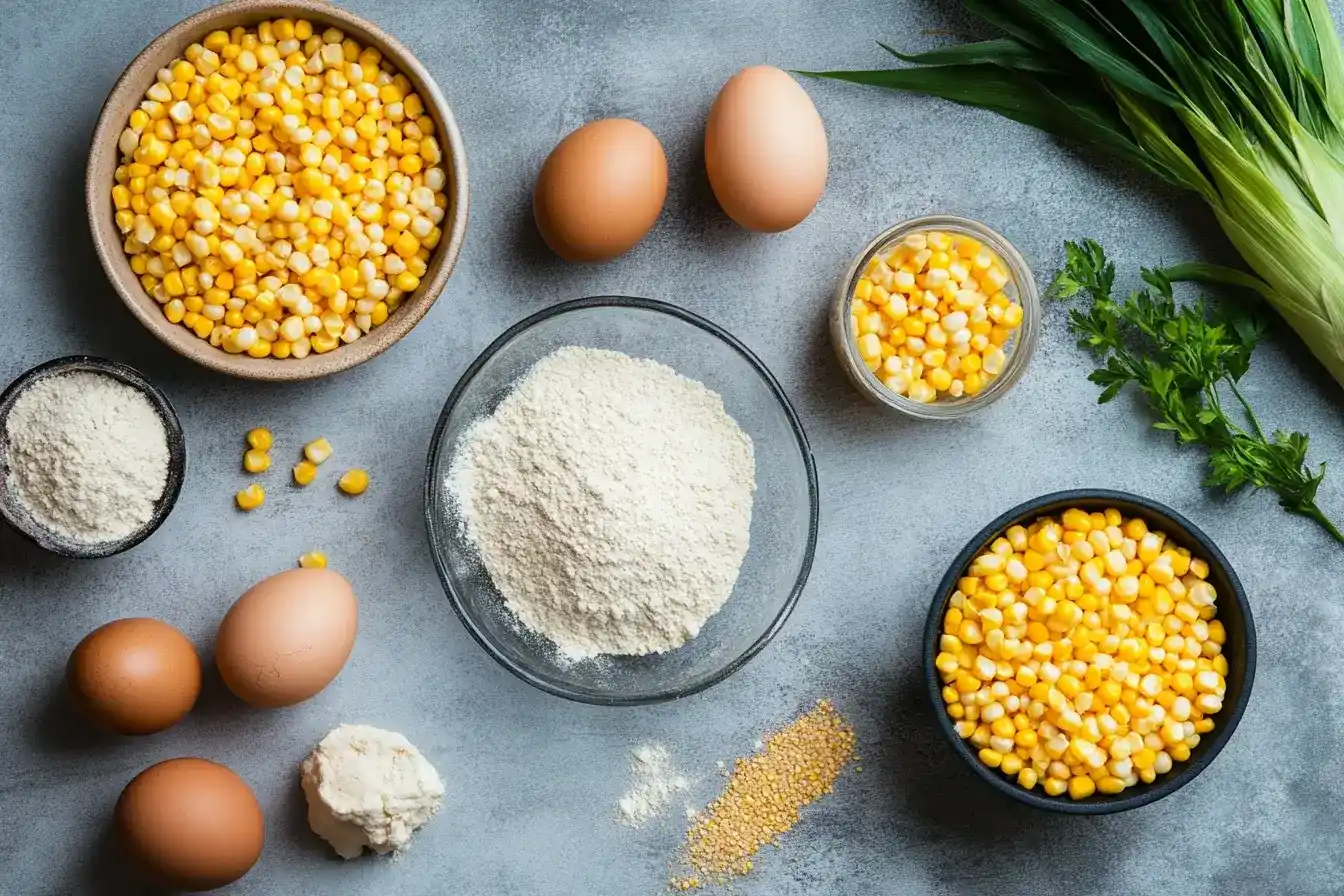
This is the whole point of corn nuggets. You can use fresh corn cut off the cob if you’re feeling ambitious, canned corn if you’re being practical, or frozen corn if that’s what’s in your freezer. I rotate between all three depending on what I’ve got.
Creamed corn makes them smoother and more uniform. Whole kernels give you those sweet pops of corn when you bite through. Both work. Sometimes I mix both—creamed corn for the base texture plus some whole kernels for extra corn flavor. Experiment and see what you like.
For a different flavor twist, try cooking potatoes in chicken broth to bring extra depth. I haven’t tried this myself yet but it sounds interesting.
Flour
All-purpose flour holds everything together and gives the nuggets structure. Without it you just have corn mush that falls apart in the oil. Learned this early on.
Making gluten-free version? Use a GF flour blend. I use Bob’s Red Mill 1-to-1 when I’m cooking for my gluten-free friends. Works the same as regular flour, just costs more.
Eggs
Eggs bind everything and make the batter fluffy. They’re important for texture—without eggs the nuggets come out dense and flat.
Vegan? Replace with aquafaba (that chickpea can liquid) or flax eggs. I’ve done flax eggs—mix 1 tablespoon ground flaxseed with 3 tablespoons water, let it sit for 5 minutes until it gets goopy. Works pretty well. Aquafaba gets fluffier results but I always forget to save the liquid from my chickpea cans so I rarely have it around.
Baking Powder
Adds lightness so the nuggets don’t become dense bricks. Creates that airy, crispy texture on the outside.
Don’t use baking soda by accident like I did once. They tasted weird and metallic. Baking powder is what you want.
Seasonings
Salt and pepper are baseline. Sometimes I add a little sugar to enhance the corn’s natural sweetness.
Get creative with seasonings though. Garlic powder, onion powder, cayenne for heat—all work. I usually throw in garlic powder because I put garlic in basically everything. My dad adds cayenne to his batch because he likes spicy food. Make them however you want.
How to Make Corn Nuggets at Home
Making these is straightforward. Good for snacking or serving as part of a bigger meal. Takes maybe 30 minutes start to finish.
1. Prepare the Ingredients
Get everything out first. Corn (kernels or creamed), flour, eggs, baking powder, salt, pepper. Whatever else you’re adding.
Making vegan or gluten-free? Grab your substitutes now instead of realizing halfway through that you don’t have them. I’ve had to stop mid-recipe to run to the store for flaxseed before. Not ideal.
2. Make the Batter
Big bowl: combine flour, baking powder, salt, pepper.
Different bowl: whisk eggs (or replacement) with any wet ingredients like milk or water.
Pour wet into dry. Stir until smooth. Don’t overmix or you’ll develop gluten and they get tough. Just mix until combined.
Using whole corn kernels? Fold them in now. If using creamed corn, that goes in with the wet ingredients.
3. Shape the Nuggets
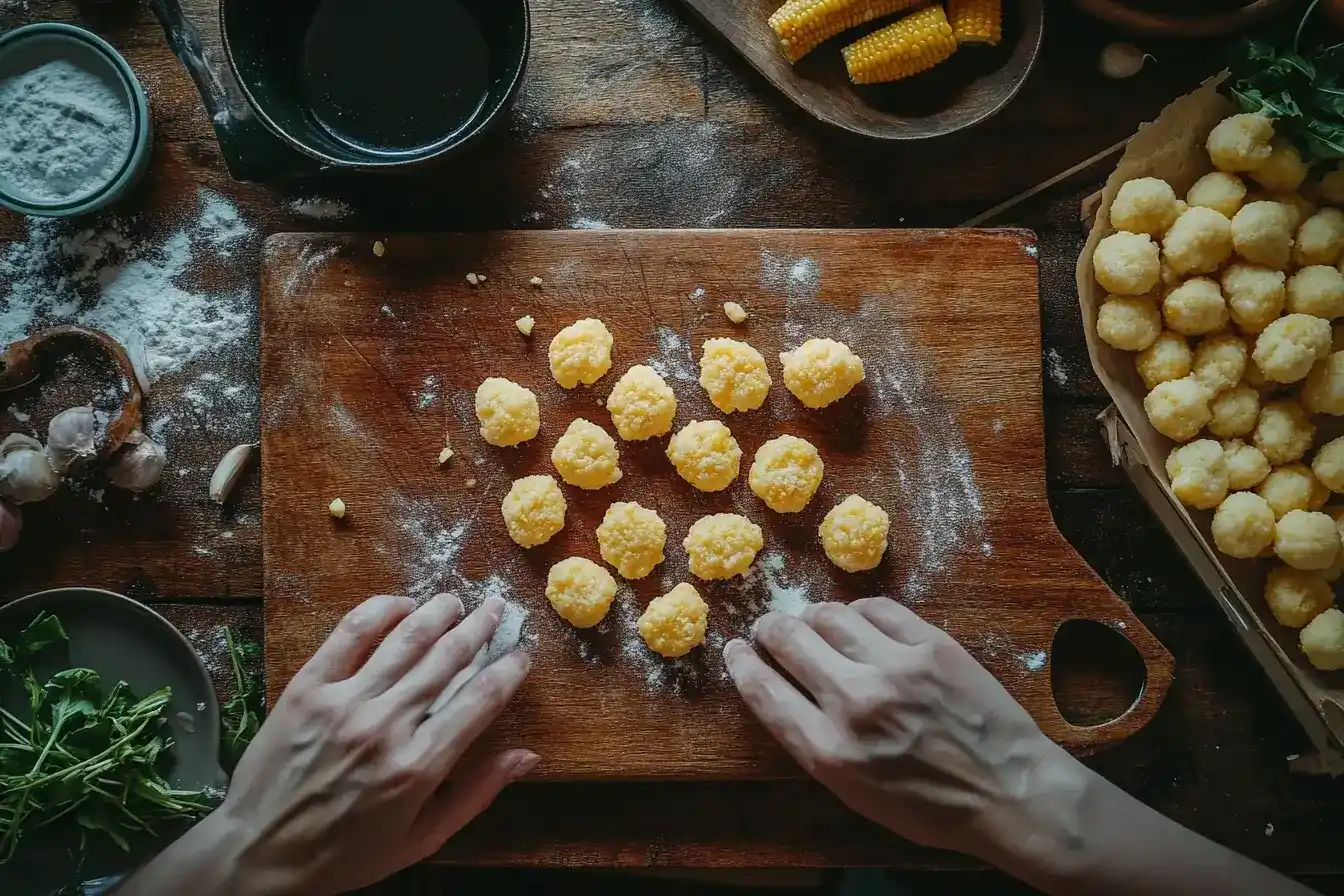
Spoon or hands—either works for forming nuggets. I use hands because it’s faster but some people think that’s gross. Your call.
Batter too loose and won’t hold shape? Add more flour a tablespoon at a time until it thickens up. Too thick? Add a splash of milk.
For uniform sizes, use a tablespoon or small cookie scoop. Makes them cook more evenly instead of having some tiny ones that burn and some giant ones that stay raw inside.
4. Heat the Oil
In a deep skillet or frying pan, heat enough vegetable oil to submerge the nuggets. The oil should reach a temperature of around 350°F (175°C). You can test the oil by dropping a small amount of batter into it—if it sizzles immediately, the oil is ready.
5. Fry the Nuggets
Carefully place the corn nuggets into the hot oil, frying them in small batches to avoid overcrowding the pan. Fry the nuggets for 2-3 minutes on each side or until they’re golden brown and crispy. Use a slotted spoon to remove the nuggets from the oil and transfer them to a paper towel-lined plate to drain any excess oil.
6. Serve and Enjoy
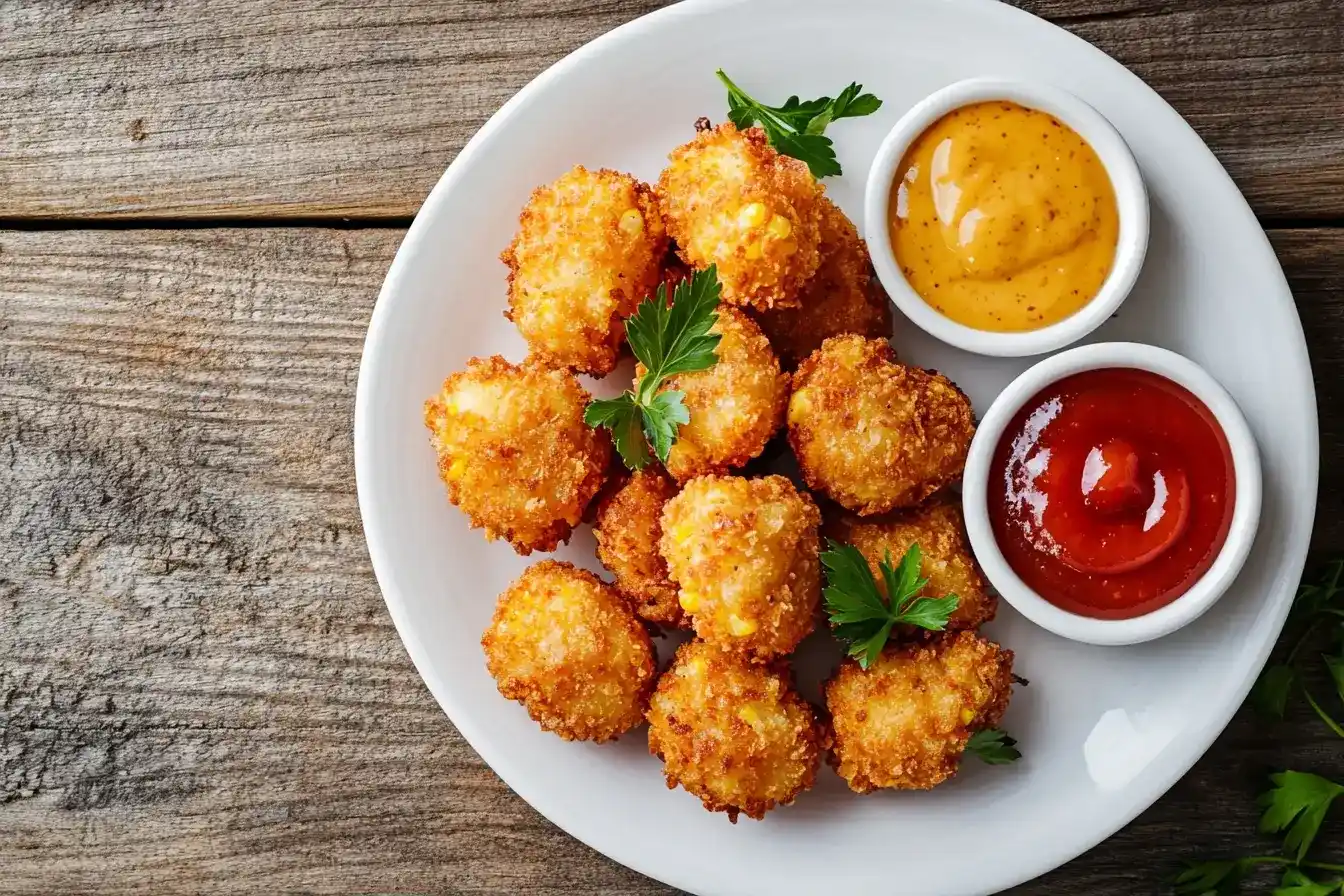
Once all the nuggets are fried, serve them immediately while they’re still hot and crispy. Pair them with your favorite dipping sauces like ketchup, honey mustard, or barbecue sauce for added flavor.
Tips for Perfect Crispy Corn Nuggets
Getting them actually crispy instead of soggy makes a huge difference. Here’s what I’ve figured out:
1. Temperature Control
Oil temperature matters more than anything else. Too cold and they absorb oil and get greasy and gross. Too hot and they burn outside while staying raw inside.
350°F is the magic number. Use a thermometer. Check it between batches because the temperature drops when you add cold batter.
Maintaining proper temp is key for crispy nuggets and the best dips to serve with them.
2. Small Batches
Don’t crowd the pan. I know it’s tempting to fry everything at once to get it done faster. Doesn’t work. The oil temperature drops too much and nothing crisps up right.
5-6 nuggets max per batch. Takes longer but they actually turn out good.
3. Drain Excess Oil
Paper towels on a plate. Put the fried nuggets on them immediately. This absorbs excess oil and keeps them crispy instead of greasy.
Planning to serve later? Keep them warm in the oven at like 200°F. They’ll stay crispy for a bit. Not forever, but longer than just sitting on the counter getting cold and sad.
Nutritional Information for Corn Nuggets
Let’s be real—these aren’t health food. They’re fried. But here’s what you’re looking at:
Average serving (about 4-5 nuggets) has 100-150 calories depending on size and how much oil they absorbed. Fat content is around 6-10 grams per serving, mostly from the frying oil. Carbs from corn and flour are 15-20 grams. Protein is low, maybe 2-4 grams.
Want them healthier? Bake or air-fry instead. Still get crispy nuggets without swimming them in oil. Won’t be quite as good but close enough.
You can also make vegan or gluten-free versions which have slightly different nutritional profiles depending on what substitutes you use.
Popular Variations
1. Sweet Version
Add a tablespoon of sugar or honey to the batter. Drizzle with maple syrup when serving. Sweet-and-savory combo that works surprisingly well. Made these for brunch once and people were confused at first but then kept eating them.
2. Spicy Version
Chop up jalapeños or add cayenne pepper or chili flakes to the batter. Serve with ranch or sour cream to cool down the heat. I make these when I’m in the mood for something with a kick. My dad loves the spicy version, eats them with extra hot sauce on top.
3. Vegan Option
Replace eggs with aquafaba or flax eggs. Use plant milk like almond or oat instead of regular milk. Still comes out crispy and delicious, just vegan-friendly.
For more plant-based snack options and vegan-friendly substitutes, there are tons of ways to adapt recipes.
4.Cheesy Variation
Put a small cube of cheddar or mozzarella in the center of each nugget before frying. The cheese melts inside and you get this gooey surprise. My nephew calls these “cheese bomb nuggets” and loses his mind over them every time I make them.
5.Gluten-Free Option
Swap all-purpose flour for GF flour blend. They still turn out crispy and tasty. I’ve made these for my friend who has celiac disease and she can’t tell the difference.
Corn Nuggets vs. Corn Fritters
People confuse these all the time but they’re different.
Corn Nuggets
Small, bite-sized, shaped into nuggets. Made from batter with corn kernels, flour, eggs, seasonings. Deep-fried for crispy outside, soft corn inside. Usually eaten as finger food or appetizers. Uniform shape and crunch.
Corn Fritters
Larger, flatter. Batter is looser like pancake batter. Often pan-fried instead of deep-fried. Might have extra stuff in them—chopped vegetables, herbs, cheese. More substantial than nuggets. Usually served as a side dish or breakfast item. Softer texture.
Key Differences
Size and shape: Nuggets are small and round. Fritters are larger and flat.
Cooking method: Nuggets get deep-fried for maximum crisp. Fritters get pan-fried for softer bite.
Ingredients: Fritters often have more stuff mixed in. Nuggets keep it simpler—mostly just corn and batter.
Both are good. Just different vibes. Nuggets are snackier and easier to eat while standing. Fritters are more of a sit-down side dish situation.
Best Dips to Serve with Corn Nuggets
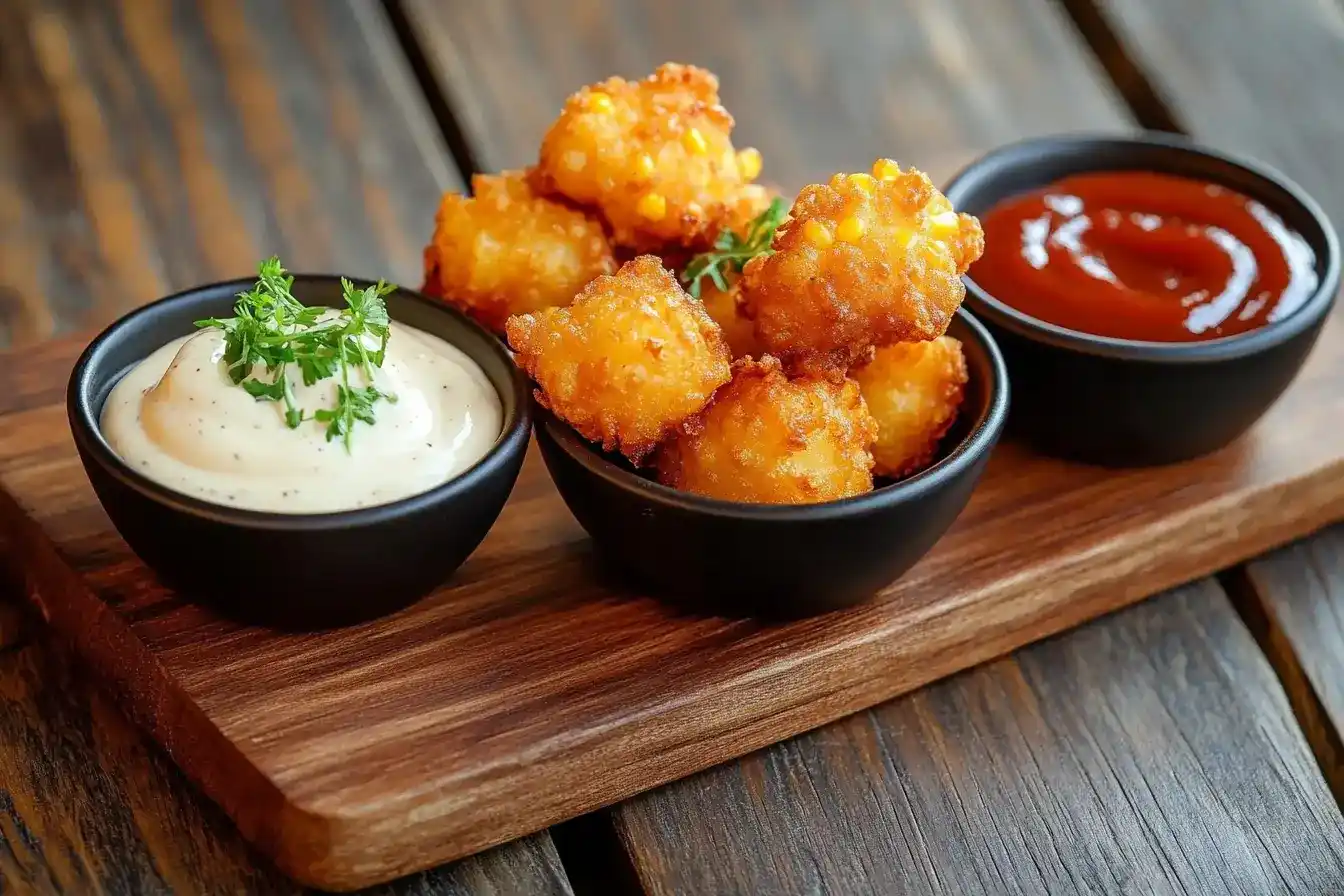
Corn nuggets taste good plain but dipping sauces make them way better. Here’s what actually works:
1. Honey Mustard
Perfect balance of sweet and tangy. The honey plays off the natural corn sweetness while the mustard adds that sharp kick. This is my go-to. I make my own by mixing equal parts honey, yellow mustard, and a tiny bit of mayo. Takes 30 seconds, tastes way better than store-bought.
2. Ranch Dressing
Classic for a reason. Creamy, mild, tangy, doesn’t fight with the corn flavor. Just enhances it. This is what disappears fastest at parties in my experience. Everyone gravitates toward ranch. It’s the safe choice that works for everyone.
3. Barbecue Sauce
Rich, smoky, complements the sweetness. I use Sweet Baby Ray’s because I’m basic but honestly any BBQ sauce works. The combo of savory-sweet-smoky with the corn nuggets is really good, especially if you like bold flavors. My dad only eats corn nuggets with BBQ sauce. Won’t touch them with anything else.
Serving Suggestions
These work in lots of different situations. Here’s how I’ve served them:
1. As an Appetizer
Great party food. Put out a platter with multiple dipping sauces—honey mustard, ranch, BBQ—and watch them disappear. Gives guests options so nobody complains.
I made these for a Super Bowl party once alongside wings and other finger foods. The corn nuggets went just as fast as everything else. Nobody expects corn nuggets at a football party but they work.
2. As a Side Dish
Serve alongside grilled chicken, BBQ ribs, roasted vegetables, salads. The crispy sweet flavor complements heavier main dishes. Better than regular corn on the cob in some ways because they’re easier to eat and more fun.
I’ve done corn nuggets as a side at family dinners when I didn’t want to make something complicated. Simple, everyone liked them, done.
How to Store and Reheat Corn Nuggets
Leftovers happen. Here’s how to not ruin them when reheating.
1. Storing Corn Nuggets
Let them cool completely first. Put in an airtight container. Fridge for 3-4 days if you’re eating them soon.
For longer storage, learn how to maintain freshness in homemade snacks with proper techniques.
Honestly I’ve never had corn nuggets last more than 2 days in my house because we eat them all, but theoretically they keep longer.
2. Reheating Corn Nuggets
Do NOT use the microwave. This makes them soggy and sad. I did this once out of laziness and regretted it. They turned into these gross chewy things instead of crispy nuggets.
Oven Method: Heat oven to 350°F. Put nuggets on baking sheet. Bake 10-15 minutes, flipping halfway. They crisp back up pretty well.
Air Fryer Method: This is better. 375°F, single layer, 5-7 minutes, flip halfway. Comes out almost as crispy as fresh-fried. I do this method now whenever I reheat them.
Frequently Asked Questions
People ask me these all the time when they find out I make corn nuggets from scratch:
1. Can I Freeze Them?
Yeah, up to 3 months. Freeze in a single layer on a baking sheet first—this keeps them from sticking together into one giant corn nugget blob. Once they’re frozen solid, transfer to a freezer bag or container.
I’ve done this when I made too many for a party. Pulled them out a month later, reheated in the air fryer, still good.
2. How Do I Keep Them Crispy After Reheating?
Oven or air fryer. Microwave is the enemy of crispiness. I made that mistake once and ended up with soggy sad nuggets. Never again.
Oven: 350°F, 10-15 minutes, flip halfway. Air fryer: 375°F, 5-7 minutes, flip halfway. This is the better method.
3. Can I Make Gluten-Free or Vegan Versions?
Absolutely. Both work fine.
Gluten-free: Use GF flour blend instead of all-purpose. Bob’s Red Mill 1-to-1 is what I use. Made them for my friend with celiac and she couldn’t tell the difference.
Vegan: Replace eggs with flax eggs (1 tablespoon ground flax + 3 tablespoons water per egg, let sit 5 minutes) or aquafaba. Both work. Flax eggs are easier because I always have flaxseed around but never remember to save chickpea liquid.
4. What’s the Difference Between Corn Nuggets and Hush Puppies?
Different base ingredients and flavor profiles.
Corn nuggets use actual corn—kernels or creamed. Sweet flavor, juicy inside.
Hush puppies use cornmeal, have breadier texture, more savory. Usually have onions mixed in.
Both fried, both Southern-ish, both good. Just different things.
Conclusion
Corn nuggets are one of those snacks that work for basically everyone. Kids love them, adults love them, picky eaters will usually eat them. Make them for parties, family dinners, or just because you’re craving something fried and delicious.
The crispy outside and soft sweet corn inside combo is hard to beat. And with all the variations—sweet, spicy, cheesy, vegan, gluten-free—you can customize them however you want depending on who you’re feeding or what diet you’re doing.
They’re genuinely easy to make. Not one of those “easy” recipes that’s actually complicated and stressful. Actually easy. And with proper storage and reheating, you can make a big batch and eat them all week.
Try making them yourself. This guide covers everything you need. Worst case, your first batch doesn’t turn out perfect and you learn what not to do next time. Best case, they’re amazing and you make them constantly like I do now.
Either way, you’ll end up with crispy golden corn nuggets that people actually want to eat. That’s a win.