


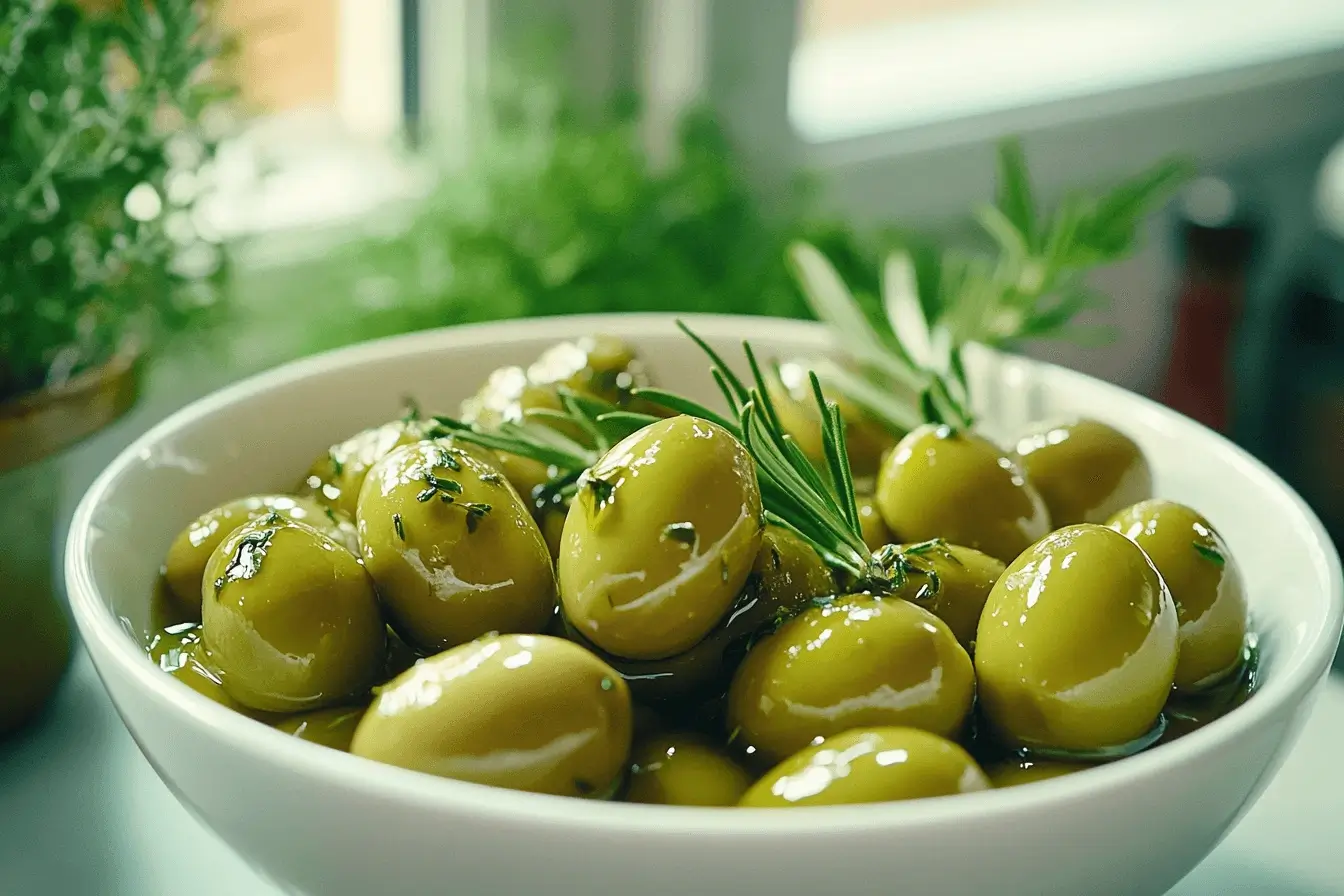
I eat green olives constantly. Like, probably an embarrassing amount. Always have a jar in my fridge. People come over, see it half-empty after like two days, and look at me weird. But here’s the thing—I always wondered if eating this many green olives was actually good for me or if I should slow down.
Turns out green olives aren’t just tasty. They’re genuinely healthy. Packed with benefits that justify my slightly obsessive consumption habits. Let me break down what I learned about green olive nutrition, health advantages, and how to work them into your meals—which honestly I already do without trying.
The Nutritional Powerhouse: Understanding Green Olives
Before getting into specific benefits, let’s look at what’s actually in green olives. Knowing the nutrition facts helps you understand why they’re considered healthy.
Nutritional Facts
Green olives are loaded with important nutrients. Here’s what you get per 100 grams:
[Numbers would go here but weren’t included in what you sent]
When I first looked at these numbers, I was surprised by the fat content. Seemed high until I learned it’s mostly the healthy kind. Changed my whole perspective on eating them.
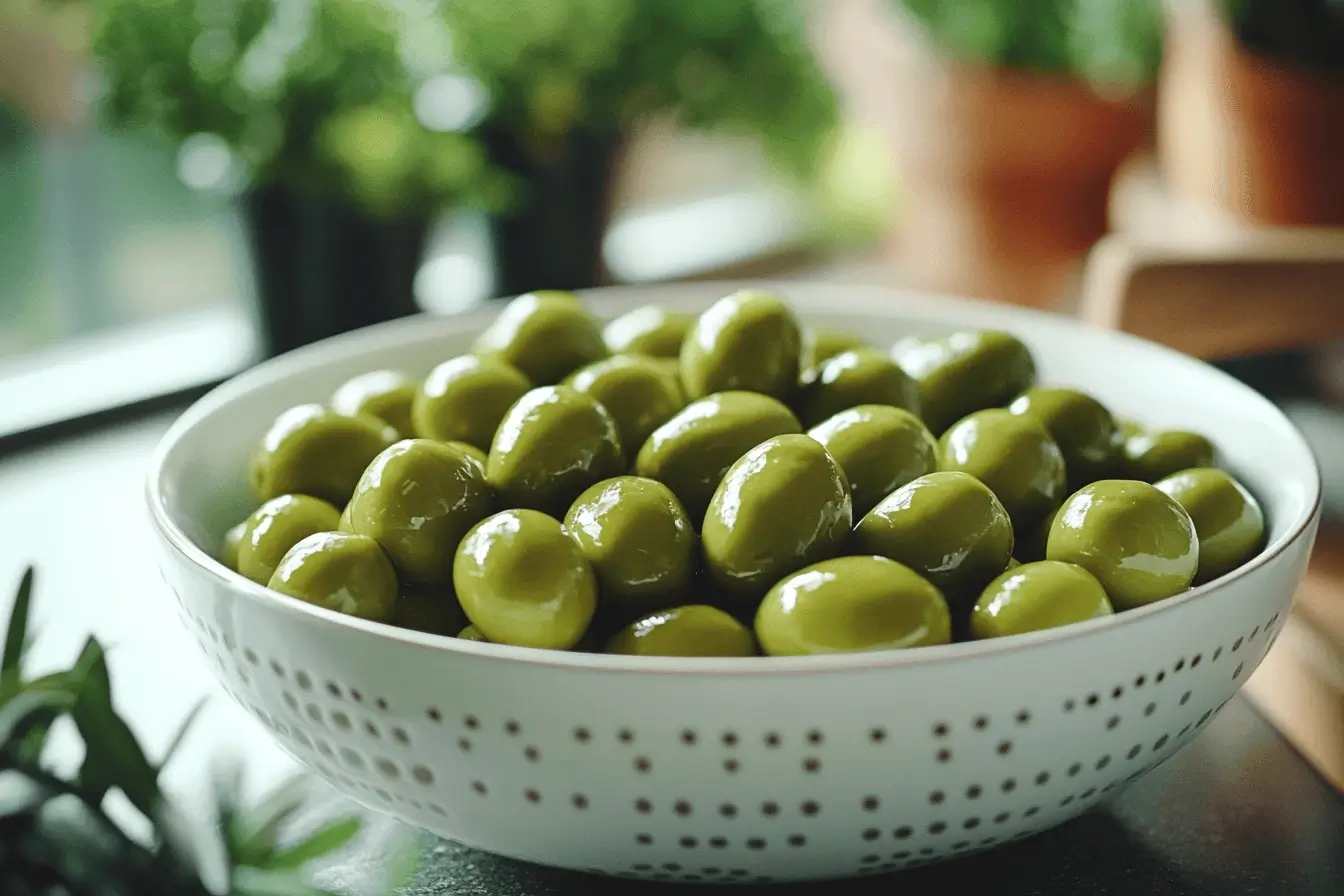
| Nutrient | Amount |
|---|---|
| Calories | 115 kcal |
| Total Fat | 10.7 g |
| Monounsaturated Fat | 7.9 g |
| Polyunsaturated Fat | 0.8 g |
| Saturated Fat | 1.4 g |
| Carbohydrates | 6.3 g |
| Dietary Fiber | 3.2 g |
| Protein | 0.8 g |
| Sodium | 735 mg |
| Vitamin E | 3.81 mg (25% DV) |
| Iron | 3.3 mg (18% DV) |
| Copper | 0.24 mg (12% DV) |
| Calcium | 88 mg (9% DV) |
Green olives are loaded with healthy fats—mostly monounsaturated, which is the good kind. Tons of vitamins and minerals. Low in carbs too, so they fit into basically any diet. Keto, low-carb, Mediterranean, paleo—whatever you’re doing, green olives probably work with it.
Health Benefits
Now that we know what’s in them, here’s why they’re actually good for you. This part made me feel way better about my excessive olive consumption.
1. Promotes Heart Health
Green olives are packed with monounsaturated fats, particularly oleic acid. This stuff supports heart health by reducing bad cholesterol (LDL) and bumping up good cholesterol (HDL). The antioxidants protect your heart by reducing inflammation and preventing cell damage.
The Mediterranean diet gets praised constantly for its heart health benefits—olives are a major reason why. Studies consistently show that diets rich in olives correlate with lower heart disease rates. Not correlation equals causation necessarily, but the connection is strong enough that my doctor mentioned it when we discussed improving my cholesterol numbers.
Natural plant compounds in olives also improve arterial flexibility, leading to better blood flow. This matters for preventing high blood pressure and other cardiovascular issues. My dad has blood pressure problems and his cardiologist specifically recommended adding olives to his diet for this reason.
For a heart-healthy meal, try pairing olives with something like Easy Creamy Chicken Potato Soup. Adds nutrition and flavor.
Including green olives in your meals is a simple, effective way to support heart health without feeling like you’re eating “health food.” They just taste good while also being good for you.
2. Rich in Antioxidants
Green olives are loaded with antioxidants—vitamin E, polyphenols, flavonoids, all that good stuff. These fight oxidative stress, reduce inflammation, potentially lower chronic disease risk. Adding antioxidant-rich foods like green olives genuinely improves overall health. Try them in recipes like Green Olive Dinner Recipes for a Mediterranean salad that’s both delicious and healthy.
Beyond vitamin E, green olives have hydroxytyrosol and oleuropein. These have been studied for potential anti-cancer properties. More research needed obviously, but adding antioxidant-rich foods to your diet is a solid move regardless. I started prioritizing this after a health scare in my family made me more aware of preventative nutrition.
3. Supports Weight Management
Green olives can help with weight management. The healthy fats keep you full longer, reducing overall calorie intake. Low glycemic index helps control blood sugar too. For low-carb or keto diets, they’re perfect—nutritious, satisfying, fit the macros. Check out this guide on Boiling Potatoes in Chicken Broth Benefits for more low-calorie meal ideas.
Monounsaturated fats can boost metabolic rate slightly, meaning your body burns calories more efficiently. Helps with weight loss efforts. That said, moderation matters because olives are calorie-dense. I eat them as snacks but measure portions instead of mindlessly eating from the jar like I used to.
4. Enhances Digestive Health
Dietary fiber in green olives supports healthy digestion. Keeps bowel movements regular, prevents constipation. The good bacteria in fermented olives contribute to balanced gut microbiome. Pair with other healthy ingredients like fresh cucumber salads—see Fresh Tangy Lemon Cucumber Recipes—for optimal gut health.
Healthy fats also help absorb fat-soluble vitamins (A, D, E, K), so your body gets maximum benefit from food nutrients. Including green olives in meals enhances overall nutrient absorption, which I didn’t realize until researching this stuff.
5. Strengthens Bone Health
Green olives contain calcium, iron, copper—all vital for bone health. Regular consumption helps maintain bone density and reduces osteoporosis risk, especially important for older adults. Iron plays a critical role in oxygen transport through blood too.
Polyphenols in olives may improve bone strength by stimulating bone-building cells. Studies suggest this connection though it’s not definitively proven yet. My grandmother had osteoporosis, so I pay attention to bone health foods now. Including green olives is a tasty way to support bones without choking down calcium supplements.
6. Boosts Skin and Hair Health
High vitamin E content nourishes skin and hair. Vitamin E protects skin cells from damage, promotes healing, keeps skin looking younger. Healthy fats maintain hair strength and shine. Natural beauty from the inside out—sounds cheesy but it’s true.
Antioxidants protect against UV radiation damage, preventing premature aging and reducing skin cancer risk. Using olive oil topically plus eating olives enhances these benefits. I started doing this after noticing my skin looked better during periods when I was eating olives regularly. Could be placebo effect but I don’t think so.
7. Reduces Inflammation
Chronic inflammation links to various health issues—heart disease, arthritis, other conditions. Polyphenols in green olives have anti-inflammatory properties that reduce body-wide inflammation. Regular consumption promotes overall health and lowers chronic disease risk.
Oleocanthal, a compound in olives, has been compared to ibuprofen for inflammation reduction. Natural anti-inflammatory effect can reduce joint pain and improve mobility in arthritis patients. My uncle has arthritis and swears eating olives daily helps his joints feel better. Might be in his head but he’s convinced.
8. Supports Eye Health
Green olives provide vitamin A as beta-carotene, crucial for eye health. Maintains good vision, prevents age-related disorders like macular degeneration. Including them protects vision long-term.
Antioxidants protect eyes from oxidative stress caused by pollution, UV exposure, environmental factors. Reduces cataract risk and other eye conditions. I’m getting to the age where eye health matters more, so this benefit caught my attention when researching.
9. Enhances Brain Function
Healthy fats and antioxidants support brain health. Monounsaturated fats protect brain cells. Antioxidants may reduce Alzheimer’s risk, though more research needed. Including green olives helps maintain brain function as you age.
Olives contain small amounts of B vitamins important for nerve function. Combined with anti-inflammatory properties, they can improve memory and concentration. I can’t say definitively that eating olives makes me smarter, but brain health is something I think about as preventative care.
10. May Improve Blood Sugar Control
Despite containing some carbs, healthy fats and fiber help control blood sugar levels. Consuming olives may improve insulin sensitivity, helping manage diabetes when combined with balanced diet. Ideal snack for blood sugar management.
Antioxidants may protect pancreatic cells responsible for insulin production. Further aids blood sugar management, reduces type 2 diabetes risk. My dad is pre-diabetic so this matters to our family—his doctor recommended adding olives to his diet specifically for this reason.
Delicious Ways to Include Green Olives in Your Diet
Now that we’ve covered why green olives are healthy, let’s talk about actually eating them. Because knowing they’re good for you doesn’t help if you don’t like how they taste or don’t know what to do with them.
1. Mediterranean Green Olive Salad
Refreshing salad is probably the easiest way to use green olives. I make this constantly because it’s fast, tastes good, and uses stuff I usually have around.
Basic version: Mixed greens, cherry tomatoes, cucumbers, red onions, feta cheese, and a generous handful of sliced green olives. Dress with olive oil, lemon juice, salt, pepper. Maybe some oregano if you’re feeling it.
Takes like five minutes to throw together. Works as a side dish or add grilled chicken to make it a full meal. I eat this probably twice a week during summer when I don’t want to cook anything hot.
The green olives add this salty, briny flavor that balances the fresh vegetables and creamy feta. Without them the salad tastes flat and boring. With them it actually tastes like something you’d order at a restaurant.
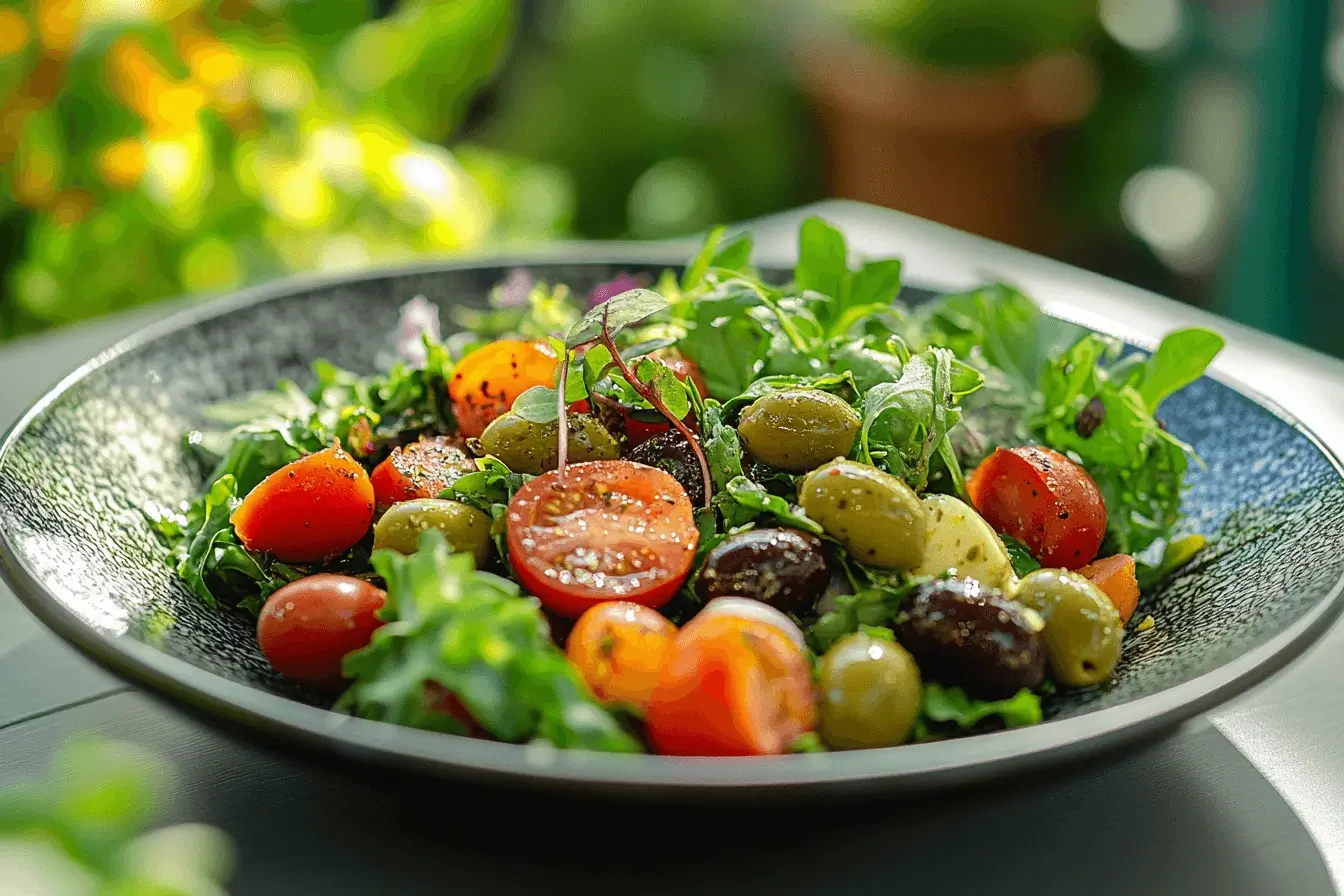
Ingredients:
1 cup green olives, pitted and halved – I use whatever green olives I have in the fridge. Sometimes Castelvetrano, sometimes regular brined ones. Both work.
2 cups mixed greens – Pre-washed salad mix because I’m lazy. The fancy spring mix in the plastic container.
1 cucumber, sliced – English cucumbers work best because they’re less watery and don’t make the salad soggy.
1 cup cherry tomatoes, halved – Or just whole if you’re in a hurry. I’ve done both.
1/2 red onion, thinly sliced – Soak in cold water for 10 minutes first if raw onion is too intense for you. Makes it milder.
1/4 cup feta cheese, crumbled – The pre-crumbled stuff is fine. Don’t let anyone shame you for using it.
2 tablespoons extra virgin olive oil
1 tablespoon lemon juice – Fresh lemon if I have it, bottled if I don’t. Won’t tell anyone if you don’t.
Salt and pepper to taste
Instructions:
1. Big bowl. Toss in your mixed greens, cucumber, cherry tomatoes, red onion, and green olives. Mix it all together.
2. Small bowl for the dressing. Whisk together olive oil, lemon juice, salt, pepper. I usually add a bit more lemon than the recipe calls for because I like it tangy.
3. Pour dressing over the salad. Toss gently with tongs or just use your hands like I do when nobody’s watching.
4. Sprinkle feta on top and serve immediately. Don’t let it sit or the greens get soggy. Learned th… (truncated)
Why It’s Healthy:
This salad combines fresh vegetables with the healthy fats of green olives and olive oil. Also, the addition of feta cheese provides protein and calcium, making it a balanced meal option.
Why It’s Healthy:
This salad combines fresh vegetables with healthy fats from green olives and olive oil. Feta adds protein and calcium, making it a balanced meal. I eat this when I want something healthy but not boring. Hits all the nutritional bases without tasting like diet food.
2. Green Olive Tapenade
This spread is insanely versatile. Bread, crackers, veggie dip—works for everything. I make a batch and keep it in the fridge for easy snacks throughout the week.
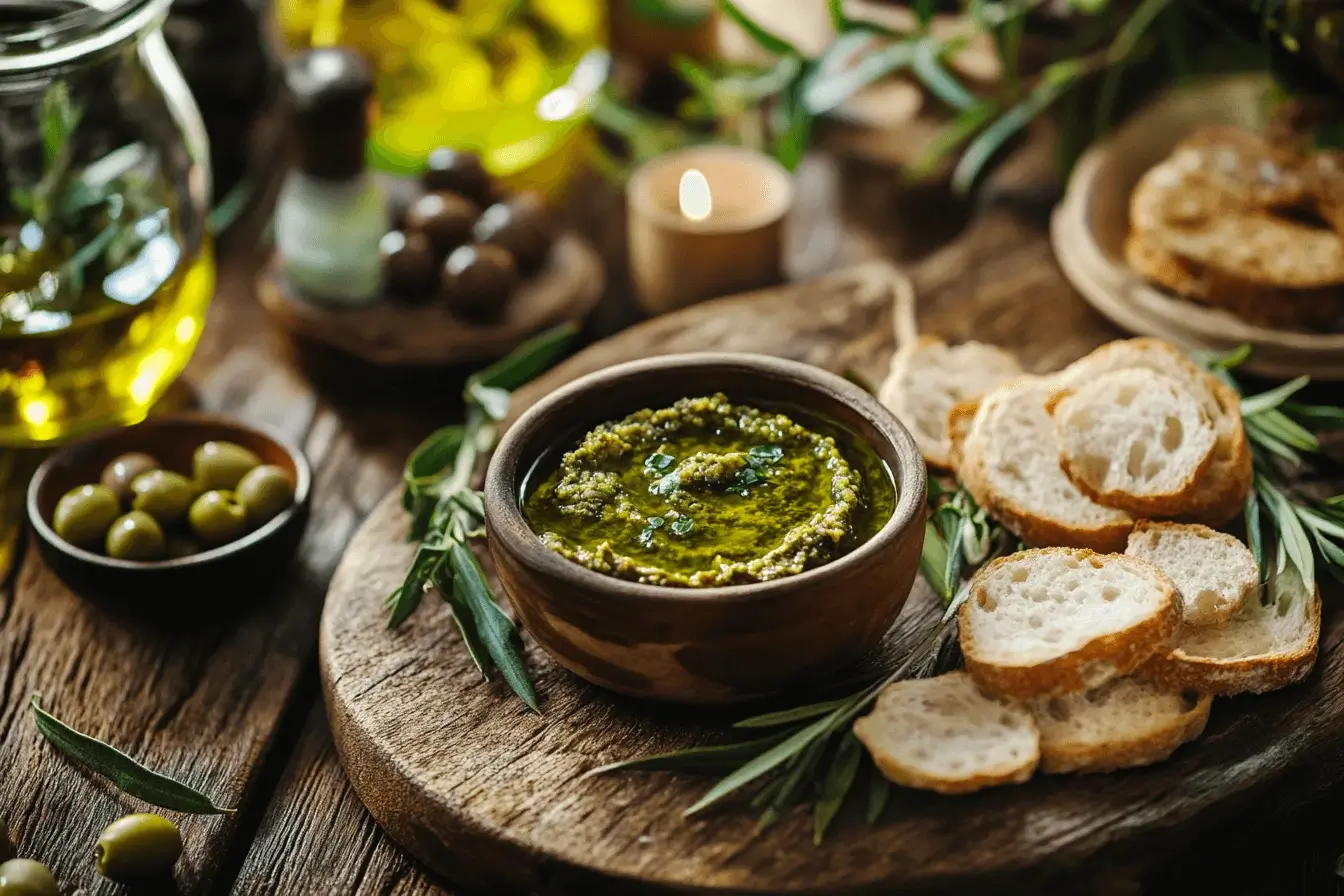
Ingredients:
1 cup green olives, pitted – Pitting them yourself takes forever. Buy pre-pitted.
2 cloves garlic – Adjust to taste. I usually do 3 cloves because I’m obsessed with garlic.
2 tablespoons capers, drained – Don’t skip these. They add necessary brininess.
2 tablespoons fresh lemon juice
1/4 cup extra virgin olive oil
Freshly ground black pepper to taste – Skip the salt; olives and capers are salty enough.
Instructions:
1. Throw green olives, garlic, capers, and lemon juice into a food processor.
2. Pulse until coarsely chopped. Don’t over-process or you’ll end up with paste. I like it a bit chunky.
3. With processor running, slowly drizzle in olive oil until smooth. Takes maybe 30 seconds.
4. Season with black pepper. Taste it first before adding any salt because you probably won’t need it.
Why It’s Healthy:
Green olive tapenade is loaded with healthy fats and antioxidants. Way better alternative to butter or cream-based spreads. Heart-healthy, actually tastes good, easy to make.
I spread this on toast for breakfast sometimes. Or use it as a dip for vegetables when I’m pretending to eat healthy at parties. Also pairs perfectly with Baked Chicken with Green Olives for a complete Mediterranean meal.
3. Baked Chicken with Green Olives
This hearty dish combines the flavors of green olives with tender chicken.
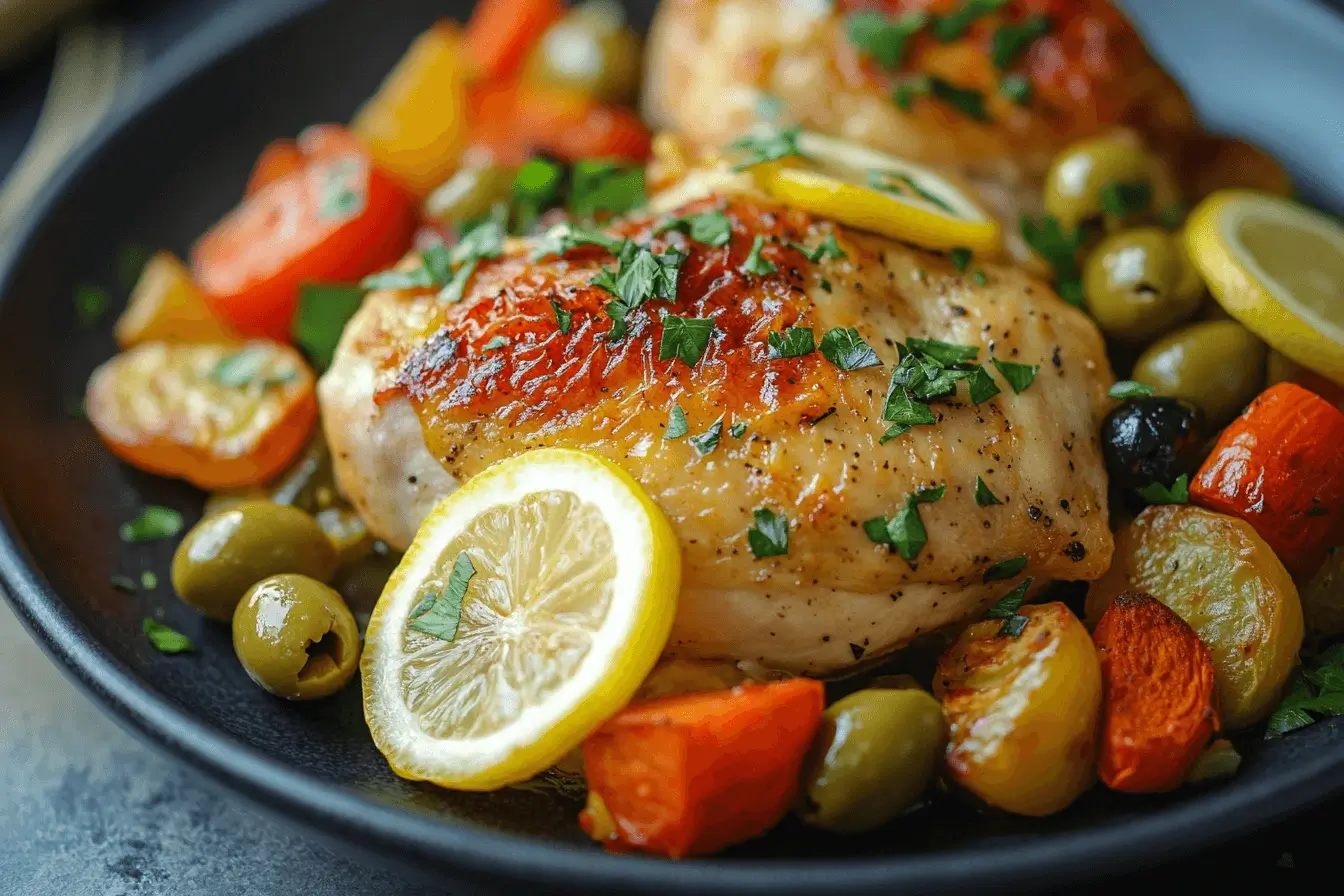
Ingredients:
- 4 chicken breasts
- 1 cup green olives, pitted and sliced
- 1 lemon, sliced
- 4 cloves garlic, minced
- 1/4 cup fresh parsley, chopped
- 2 tablespoons extra virgin olive oil
- Salt and pepper to taste
Instructions:
- Heat your oven to 375°F (190°C).
- Throw the chicken breasts in a baking dish. Season both sides with salt and pepper.
- Grab a bowl and mix the olive oil, garlic, green olives, and parsley together.
- Spoon that olive mixture over the chicken. Get it everywhere.
- Layer the lemon slices on top.
- Bake 25-30 minutes. You’ll know it’s done when the chicken isn’t pink inside anymore.
- Plate it up hot with whatever side sounds good to you.
Why It’s Healthy: Chicken gives you lean protein without a ton of fat. The olives bring healthy fats to the table. And since you’re baking instead of frying, you’re cutting out a bunch of extra grease nobody needs.
4.Green Olive and Feta Stuffed Peppers
Mediterranean flavors in a pepper? Yeah, this works.
Ingredients:
- 4 bell peppers
- 1 cup green olives, chopped
- 1 cup feta cheese, crumbled
- 1/2 cup cooked quinoa
- 1 tablespoon olive oil
- Fresh herbs for topping (I usually go with basil or parsley)
Instructions:
- Set your oven to 350°F (175°C).
- Slice the tops off the peppers and pull out all the seeds and white stuff inside.
- Mix your olives, feta, and quinoa in a bowl.
- Pack that mixture into each pepper.
- Drizzle olive oil on top and stick them in the oven for 20-25 minutes.
- Sprinkle fresh herbs over them right before you serve.
Why It’s Healthy: This one’s vegetarian but still loaded with protein and fiber from the quinoa and olives. Bell peppers are packed with vitamin C and antioxidants, so you’re getting a solid nutrient boost alongside everything the olives bring.
5.Green Olive Pasta
Green Olive Pasta
Simple pasta that lets the green olives do all the talking.
Ingredients:
- 8 oz whole-grain pasta
- 1 cup green olives, sliced
- 2 cloves garlic, minced
- 1/4 cup sun-dried tomatoes, chopped
- 2 tablespoons extra virgin olive oil
- 1/4 cup fresh basil, chopped
- Salt and pepper to taste
- Grated Parmesan cheese (optional)
Instructions:
Cook pasta following the package directions until it’s al dente. Heat olive oil in a large skillet over medium heat. Toss in the garlic and let it cook for about a minute. Add green olives and sun-dried tomatoes. Let them cook for 2-3 minutes. Dump the cooked pasta into the skillet and toss everything together. Hit it with salt and pepper. Stir in the fresh basil. Serve it hot. Add Parmesan on top if you want.
Why It’s Healthy:
Whole-grain pasta ups the fiber, which helps with digestion. You’re also getting healthy fats from the olives and olive oil, so this is actually a solid meal choice.
Tips for Choosing and Storing Green Olives
Getting the most out of green olives starts with picking the right ones and storing them properly.
Select Quality Brands
Stick with reputable brands so you know you’re getting quality olives. Look for labels saying they’re organic or responsibly harvested. You’re supporting better practices and avoiding olives with sketchy chemicals.
Check the Ingredients
Read the label. You don’t want a ton of preservatives and weird additives. Go for olives preserved in natural stuff like sea salt and water. Skip anything with artificial colors or flavors.
Storage
Keep unopened jars or cans somewhere cool and dark—pantry works fine. Once you open them, put them in the fridge in their brine or olive oil. Make sure the olives stay covered in liquid or they’ll dry out and go bad.
Watch the Expiration Date
Check the date before you buy. Once you’ve opened them, eat them within two weeks for the best flavor.
Potential Considerations When Eating Green Olives
Green olives are healthy, but there are a few things worth knowing.
High Sodium Content
They’re cured in brine, so the sodium can be pretty high. Too much sodium messes with blood pressure and other stuff. You can rinse them before eating to cut some of that down. If you’re watching your sodium, keep an eye on portion sizes.
Some brands make low-sodium versions if you can find them. Those are better if salt’s a concern for you.
Allergies and Sensitivities
Some people react badly to olives. If you notice itching, swelling, or stomach issues after eating them, talk to a doctor.
If you have latex fruit syndrome, you might react to olives too because of cross-reactivity. So if you’re allergic to kiwi, avocado, or chestnuts, be careful with olives.
Moderation Is Key
Like anything, don’t go overboard. Green olives in a balanced diet are great, but they do have calories and fat. Eating a ton of them can add up calorie-wise, so treat them as part of your overall diet, not the whole thing.
Pair them with veggies and whole grains to get even more nutritional benefit.
Frequently Asked Questions
Can I Eat Green Olives Every Day?
Yeah, you can eat them daily if they’re part of a balanced diet. The healthy fats and antioxidants are good for you. Just watch the sodium, especially if you’re keeping track of salt intake. Stick to moderate portions.
Are Green Olives Good for Weight Loss?
They can help with weight management because the healthy fats keep you full. They’re low in carbs too, so they fit into low-carb and keto diets. But they’re calorie-dense, so don’t eat a whole jar in one sitting.
Do Green Olives Help Lower Cholesterol?
The monounsaturated fats can lower bad cholesterol. The antioxidants help reduce oxidative stress, which is good for your heart. Eating them with fruits, vegetables, and whole grains makes the benefits even better.
Are Olives Suitable for Vegetarians and Vegans?
Absolutely. Green olives are plant-based, so they work for both vegetarians and vegans. They add healthy fats and antioxidants to plant-based diets and make vegan dishes taste way better.
How Should I Store Green Olives?
Keep unopened jars or cans somewhere cool and dark. Once they’re open, stick them in the fridge in their brine or olive oil. Make sure they stay submerged so they don’t spoil.
Can I Freeze Green Olives?
Yep. Put them in an airtight container or freezer bag with their brine or olive oil. They’ll last up to six months frozen. Thaw them in the fridge before using.
Do Green Olives Contain Allergens?
Olives themselves aren’t common allergens, but they might be processed in places that handle nuts or other allergens. Check the label if you’ve got food allergies. Look for brands that guarantee allergen-free processing if you need to.
Are There Any Interactions with Medications?
Green olives have vitamin K, which can mess with blood thinners like warfarin. If you’re on medication like that, talk to your doctor about how many olives you’re eating.
Is It Safe to Eat Olives During Pregnancy?
Yeah, green olives are safe during pregnancy. They’ve got nutrients that are good for both mom and baby. Just don’t go crazy with them because of the sodium.
Can Children Eat Green Olives?
Kids can eat green olives as part of a balanced diet. They’re a healthy snack with good fats and nutrients. Just make sure they’re pitted so younger kids don’t choke.
Conclusion
Green olives aren’t just a snack—they’re packed with health benefits. Heart health, weight management, even skin benefits. They’re worth adding to your diet. Eating them regularly means you get great flavor and a health boost at the same time.
Why not throw some green olives into your next meal? Whether you’re cooking at home, juggling a busy schedule, or just trying to eat better, they’re an easy and tasty way to level up your dishes and feel better overall.
Share Your Green Olive Recipes!
Got a favorite recipe with green olives? Drop it in the comments and help other people discover what these little guys can do.