

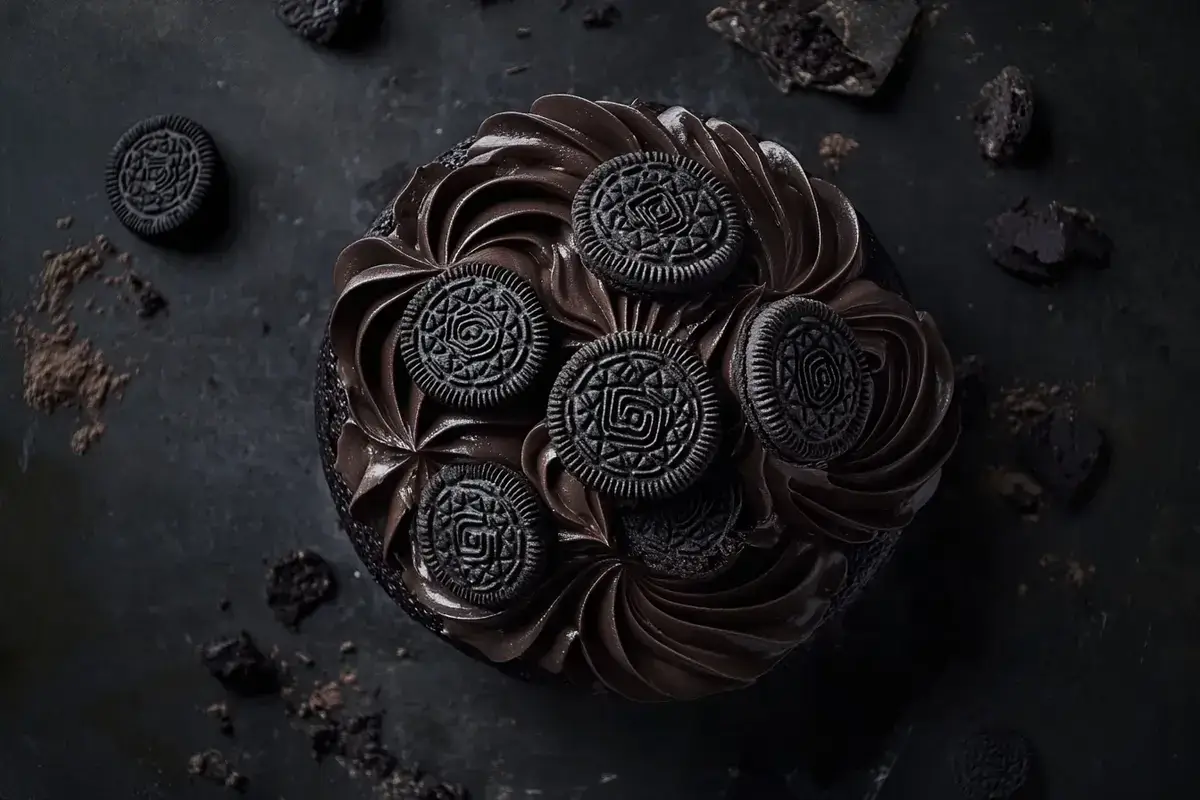
The Short Answer: Yes.
Short answer? Absolutely. If you’re the type of person who twists apart an Oreo just to eat the dark wafer side, you’ve basically already tasted black cocoa powder. It is the specific ingredient responsible for that signature midnight-black color and the distinct, slightly savory taste we all know .
That said, eating a spoonful of the dry powder won’t taste exactly like a finished cookie. While it gives you that foundational flavor, it’s missing the massive amount of sugar and the vanilla cream that round out the full “Oreo experience.”
The Science of the Flavor: Ultra-Dutch Processing
To really get why black cocoa tastes so distinct, we have to peek at the science behind how it’s made. Black cocoa is what pros call “ultra-Dutch processed”—or heavily alkalized—cocoa.
- Natural Cocoa: This has a pH of around 5-6. It’s acidic, fruity, and sharp.
- Dutch-Processed Cocoa: This gets washed with an alkaline solution to neutralize that acidity, bumping the pH up to around 7. This darkens the color and mellows out the flavor.
- Black Cocoa: This is heavily alkalized to a pH of 8 or higher.
That intense alkalization strips away almost all the acidity and fruitiness you’d find in natural cacao beans. The result is a powder that is much smoother and less bitter than traditional cocoa, but also less “chocolatey” in the classic sense . Instead of the complex fruit notes of a dark chocolate bar, black cocoa gives you a flat, earthy, and intensely toasted profile.
Flavor Profile Breakdown
Baking with black cocoa isn’t just about getting that dramatic color; you’re adding a flavor profile that hits right in the nostalgia center:
- Visuals vs. Taste: Despite looking like intense charcoal, black cocoa is surprisingly mellow. It completely lacks that sharp “bite” you get from natural cocoa .
- Key Notes: The flavor is usually described as woody, earthy, and toasted. It has a savory depth that pairs perfectly with heavy amounts of sugar and fat (like butter or cream cheese)—which is exactly why it works so well in a cookie sandwich.
- The “Empty” Chocolate Taste: Some bakers describe black cocoa as having a “hollow” chocolate flavor. Since the processing removes the fat and acidity that carry traditional chocolate notes, black cocoa provides the structure of chocolate flavor without the richness.
How to Use It for the Best Flavor
Because black cocoa can be pretty drying and lacks fat, you rarely want to use it as the only cocoa powder in a recipe (unless you are specifically making crisp wafers like Oreos).
For the best results in your own kitchen, most bakers recommend a 50/50 blend: mix black cocoa with regular Dutch-processed cocoa.
Comparing Black Cocoa and Oreo Flavors
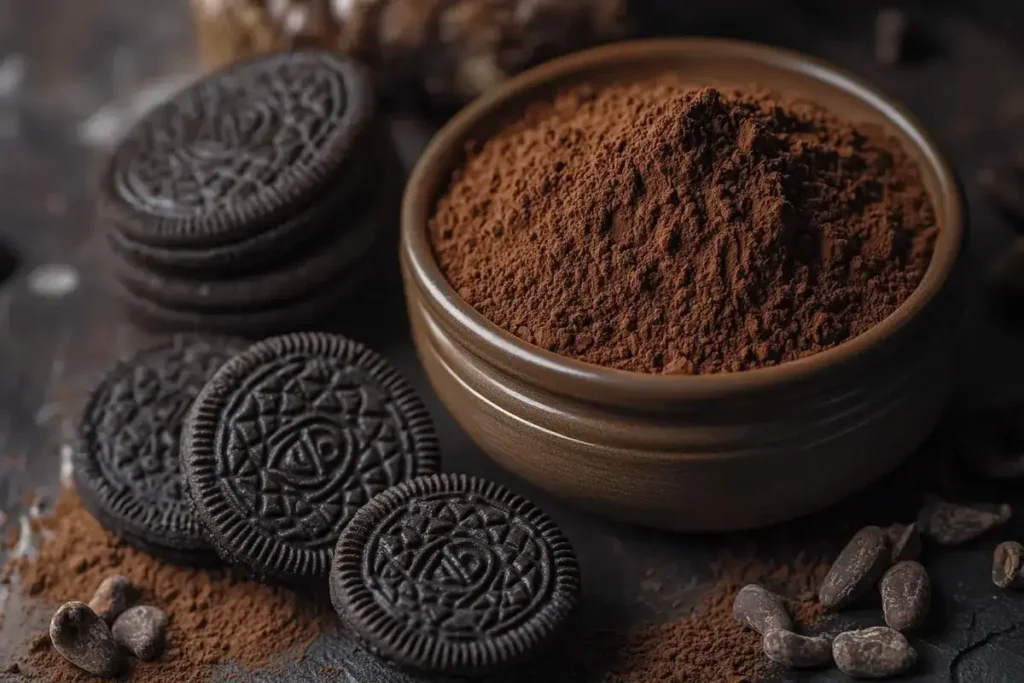
If you’ve ever found yourself wondering if black cocoa actually tastes like Oreos, the short answer is: absolutely. That deep, dark, almost savory chocolate flavor you get from an Oreo wafer? That comes directly from black cocoa. It’s all about how it’s processed—both the cocoa in the cookies and the powder you buy are heavily alkalized. This strips away the bitterness you usually find in dark chocolate and leaves behind that smooth, midnight-dark flavor we all know. So, if you want to recreate that nostalgic cookie taste in your own kitchen, swapping in some black cocoa is the secret.
Understanding the Flavor Profiles
Think of black cocoa as the deep end of the chocolate pool. It delivers a rich, intense flavor, but without the sharp bitterness you might expect. That smooth, satisfying taste comes down to how it’s made—specifically, a heavy alkalization process that turns the powder a stunning dark color while mellowing out its flavor profile. It’s the go-to ingredient when you want a chocolate experience that feels bolder and more substantial than what regular cocoa powder can offer.
Oreos, on the other hand, are famous for balancing that dark chocolate crunch with a sweet cream filling. But that distinct wafer taste? It actually comes from Dutch-processed cocoa, which is very similar to black cocoa. Since both go through that same alkalization process to strip away acidity, the result is a pure, deep chocolate flavor that really shines through.
How Does Alkalization Affect Cocoa Flavor?
So, does black cocoa actually taste like Oreos? It really comes down to that extensive alkalization process. This is what gives the powder that deep, bold chocolate profile that feels so similar to the dark wafers of an Oreo cookie. By stripping away the bitterness you usually find in natural cocoa, alkalization brings out a subtle sweetness—making black cocoa the perfect substitute when you’re trying to recreate that specific Oreo flavor in your own baking.
Dutch-Processed Cocoa vs. Black Cocoa
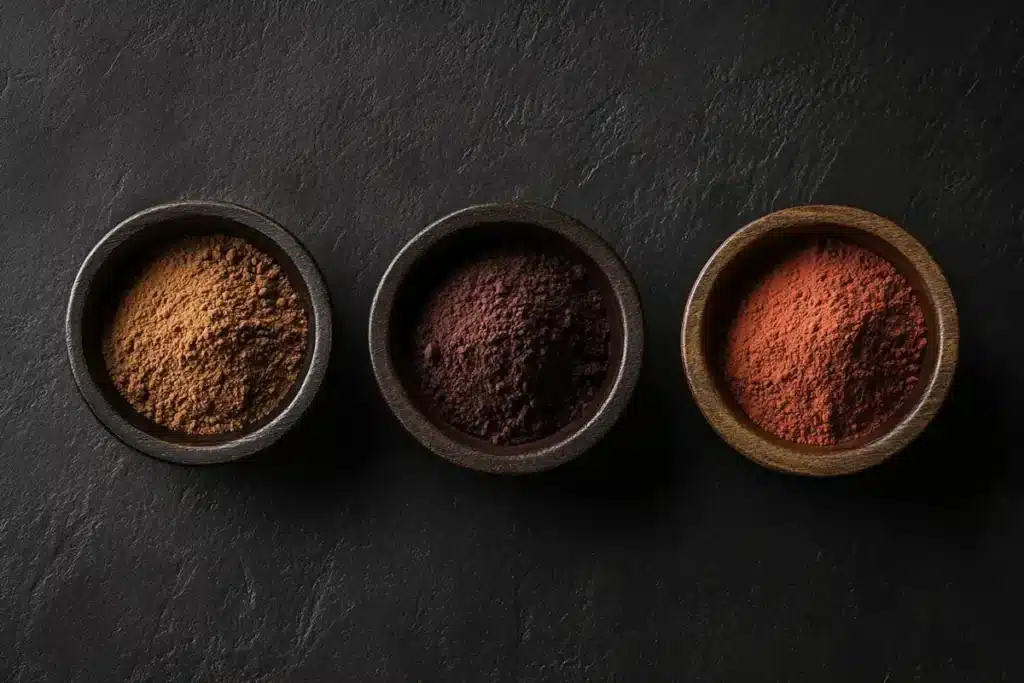
If you want to really dial in your chocolate recipes, you have to understand the difference between black cocoa and standard Dutch-processed cocoa. Dutch-processed (often just called alkalized) cocoa has been treated with an alkaline solution to neutralize the natural acidity of the beans. This gives it a darker color and a smoother, mellower flavor with way less bitterness than natural cocoa. It’s the reliable, rich cocoa you probably reach for most often.
Black cocoa, on the other hand, takes that process to the extreme. It goes through a much heavier alkalization, which turns it an almost jet-black hue and strips away nearly all the bitterness. The difference really shows up in the flavor. While Dutch-processed is smooth, black cocoa delivers that bold, intense profile that tastes almost exactly like an Oreo cookie.
So, does black cocoa taste like Oreos? Yes. The main difference between the two comes down to intensity. Dutch-processed gives you a classic, mild chocolate taste, while black cocoa is what you grab when you want that specific, nostalgic Oreo vibe.
Ultimately, both have their place in the pantry. Use black cocoa when you want deep, dark drama and that specific cookie flavor, and stick to Dutch-processed when you need a versatile, all-purpose chocolate note. Knowing which one to pick gives you total control over whether your dessert leans mild and classic or bold and intense.
Popular Recipes That Use Black Cocoa
If you’ve been wondering, “Does black cocoa actually taste like Oreos?” the answer is a resounding yes. That means you can easily bring that iconic, nostalgic flavor into your own kitchen. Whether you’re whipping up cupcakes, cookies, or brownies, swapping in black cocoa is the secret weapon for getting that bold, dark chocolate taste we all know and love.
Creating Dark, Rich Baked Goods
Cookies are probably the easiest place to start if you want to see what black cocoa can do. It gives them that dramatic, midnight-black color and a flavor that instantly reminds you of an Oreo wafer. Here are a few ways to put it to work:
- Black Cocoa Chocolate Chip Cookies: Try swapping out half the regular cocoa in your go-to recipe for black cocoa. You’ll get cookies with a striking dark look and a much punchier chocolate kick.
- Oreo-Inspired Cupcakes: Make a batch of rich chocolate cupcakes using black cocoa, then pile on some cream cheese frosting. It’s basically the classic cookie in cake form.
- Black Cocoa Brownies: Trade your standard cocoa for the black variety in your brownie mix. It’s a simple switch that creates super fudgy brownies with a deeper, more intense flavor profile. If you’re into desserts with rich, complex flavors, you might also want to check out this guide to caramelizing brulee for another sweet idea.
- Chocolate Sandwich Cookies: You can make your own version of Oreos right at home. Use black cocoa in the dough and sandwich a sweet cream filling in the middle—it rivals the real thing.
- Black Cocoa Frosting: Mix some black cocoa into your buttercream for a twist on classic chocolate frosting. It’s perfect for piping onto cakes or using as a filling between layers.
Experimenting with black cocoa opens up a whole new world of flavor and presentation. That deep, dark color makes everything look incredible, and the taste backs it up. And if you’re looking for something savory to balance out all these sweets, try this creamy chicken potato soup for a comforting meal.
Side-by-Side Taste Comparison
When you actually sit down and compare black cocoa to other types, the answer to “does it taste like Oreos?” becomes pretty obvious. In a direct taste test, black cocoa’s robust, smooth flavor is almost identical to that classic cookie wafer. Because of how it’s processed, you get a deep chocolate taste that really stands out, making it the perfect pick when you want something distinct and rich.
Black Cocoa vs. Regular Cocoa
Putting black cocoa next to regular or Dutch-processed cocoa really highlights the differences:
- Flavor Intensity: Black cocoa brings a much heavier hit of chocolate. It feels richer and more complex because the processing strips away the acidity and bitterness, letting those deep notes take over. Regular cocoa just feels a bit milder in comparison.
- Bitterness: This is probably the biggest difference. Black cocoa is surprisingly smooth with very little bitterness, which makes it great if you want a velvety chocolate experience without the sharp bite.
- Texture: If you bake with black cocoa, expect things to come out a bit denser and fudgier. It adds a richness that regular cocoa—which tends to produce lighter, airier textures—just doesn’t have.
- Aroma: You’ll notice the smell right away. Black cocoa has a powerful, robust scent that fills the kitchen the second you open the bag.
If you’re curious, doing your own taste test is a great way to see how black cocoa can change up your baking. You might find that its smoother finish and deeper flavor make it your new favorite, especially if you’re chasing that nostalgic Oreo vibe.
Is Black Cocoa a Healthier Choice?
When you’re baking, it’s natural to wonder if swapping ingredients can make your treats a little better for you. So, does trading regular cocoa for black cocoa offer any real benefits? Let’s break down what’s actually in the powder and how it compares.
Low-Fat, Rich in Flavor
One of the biggest perks of black cocoa is that it tends to be lower in fat than other varieties. Here’s why it might be a smarter pick for chocolate lovers:
- Reduced Fat Content: Black cocoa generally has less fat than both natural and standard Dutch-processed powders. If you’re trying to trim the fat in a recipe but don’t want to lose that deep chocolate hit, it’s a solid option.
- Lower Sugar Levels: Because black cocoa has such a bold flavor, you often don’t need to rely as heavily on sugar to make your chocolate desserts taste rich. It lets you satisfy that sweet tooth without going overboard on sweeteners.
- Antioxidant Properties: Just like other forms of cocoa, black cocoa is packed with antioxidants. These are great for fighting oxidative stress and supporting overall health.
- Flavor Satisfaction: That intense, savory chocolate taste goes a long way. You might find that a little bit of black cocoa satisfies a craving faster, meaning you can get away with smaller portions or using less cocoa overall.
Using black cocoa is a great way to get your chocolate fix without totally derailing your nutritional goals. It lets you bake treats that are packed with flavor but still fit into a health-conscious lifestyle. So, if you’ve been asking, “Does black cocoa taste like Oreos?”—think of it as a healthier way to get that same delicious flavor profile!
When and How to Substitute Black Cocoa in Recipes
Swapping ingredients is half the fun of baking, but black cocoa can be a bit tricky if you don’t know the rules. If you’re itching to get that dark aesthetic and Oreo flavor into your own recipes, here is how to make the switch without ruining the batch.
Adjusting Recipes for Flavor and Texture
When you trade regular cocoa for black cocoa, you aren’t just changing the color—you’re changing the chemistry. Here is what to keep in mind:
- Flavor Balance: Black cocoa is intense. It has a much stronger, more savory flavor than natural or standard Dutch-processed cocoa. A good rule of thumb is to start by replacing just 25% of the cocoa the recipe calls for. This keeps the chocolate flavor from becoming too overwhelming.
- Leavening Agents: Cocoa powder actually affects how your bake rises. Since black cocoa is heavily alkalized, it behaves differently than natural cocoa. You may need to adjust your baking soda or baking powder to make sure your dessert still rises properly.
- Sweetness Adjustment: Because black cocoa brings such a rich, deep flavor, it can change how sweet your dessert tastes. You might find you need less sugar to get the same satisfaction, but always taste as you go to find the right balance.
- Texture Considerations: Black cocoa has unique properties that can lead to denser, fudgier bakes. If you are aiming for something lighter, you might need to incorporate more air—like folding in whipped egg whites—to counteract that heaviness.
- Experimentation is Key: Every recipe reacts a little differently, so don’t be afraid to play around. Start with small batches to test your swaps. That way, you can fine-tune the amounts until you nail that perfect texture and flavor.
By understanding these little quirks, you can get all the benefits of that bold, black look and taste without sacrificing the quality of your treats. Whether you’re making cookies, cakes, or brownies, these tips will help you get it right.
How to Properly Store Black Cocoa for Longevity
Now that you’ve stocked up on black cocoa, you want to make sure it actually stays fresh. There’s nothing worse than reaching for a special ingredient only to find it’s gone stale. Proper storage is the only way to keep that flavor punchy and ready for your next baking project.
Keeping Black Cocoa Fresh and Flavorful
Here is how to keep your stash in top shape:
- Cool and Dry is Key: Keep your cocoa powder in a cool, dry spot away from direct sunlight or heat. A dark pantry or cupboard is perfect since temperature swings can mess with the quality.
- Seal It Up: Moisture and air are the enemies here. If your cocoa didn’t come in a resealable bag, transfer it to an airtight container immediately. This stops it from clumping up and keeps the flavor locked in.
- Watch the Humidity: Humidity is a quick way to ruin a good batch of cocoa. Make sure that lid is on tight after every single use, and try not to store it right next to the stove or dishwasher where steam collects.
- Check the Date: Cocoa powder lasts a long time, but it doesn’t last forever. Keep an eye on the expiration date; using old cocoa won’t hurt you, but the flavor will be flat and disappointing.
- Freeze for the Long Haul: If you bought a huge bag or just don’t bake that often, the freezer is your friend. Just make sure it’s in a heavy-duty freezer bag or container to stop freezer burn. When you take it out, let it come to room temperature before you open it so condensation doesn’t form inside.
Stick to these simple rules, and your black cocoa will stay fresh and flavorful for a long time. That way, you’re always ready to whip up something dark and delicious whenever the mood strikes.
Finding High-Quality Black Cocoa Powder
If you’re going to bake with black cocoa, it pays to be picky. Not all powders are created equal, and grabbing a high-quality bag can make or break the final flavor of your dessert. Here is a quick guide to finding the good stuff for your next kitchen experiment.
Popular Brands and Online Retailers
- King Arthur Flour: These guys are a staple for a reason. Their black cocoa is finely milled and super reliable, giving you that rich, consistent flavor you want in your baking.
- Cacao Barry: This is the brand you’ll often see in professional kitchens. It’s a favorite among chocolatiers because it delivers a serious punch of flavor and quality.
- Viva Naturals: If organic ingredients are your priority, this is a solid pick. It’s sourced from high-quality beans and doesn’t have any weird additives.
- Amazon and Specialty Grocery Stores: You can find a ton of options online, but don’t sleep on specialty grocery stores. They often stock unique brands that you won’t find on the shelves of a standard supermarket.
- Local Bakeries and Shops: Sometimes the best ingredients are right down the street. Local baking supply shops or even bakeries that sell ingredients often carry premium cocoa that beats what you’d find at a big-box store.
When you’re buying, always take a second to check the packaging. Freshness matters, so look for expiration dates and try to grab bags that are resealable—it makes storage way easier. By starting with a great product, you’re guaranteeing that your baked goods will have that deep, satisfying Oreo-like taste in every single bite.
Delicious Recipes to Try Using Black Cocoa
So, you’ve got the lowdown on black cocoa and what makes it special. Now comes the fun part: actually using it. We’ve pulled together some killer recipes that really let that deep, dark flavor shine. Whether you’re chasing that nostalgic Oreo vibe or just want to bake something that looks as dramatic as it tastes, these treats are the perfect place to start.
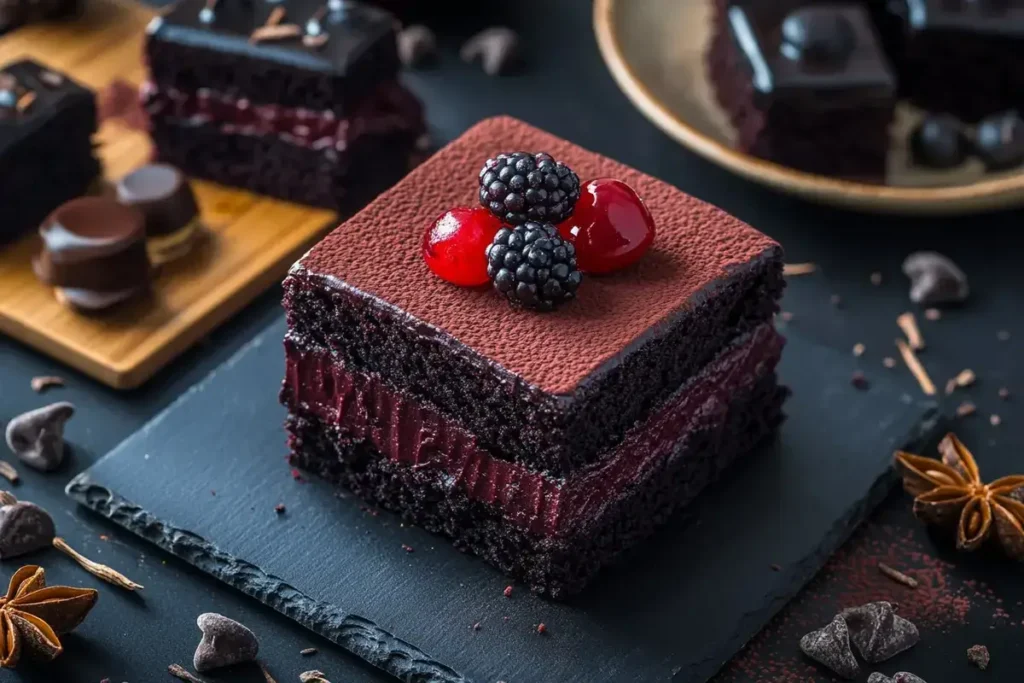
Oreo-Inspired Cookies
Ingredients:
- 1 cup unsalted butter, softened
- 1 cup granulated sugar
- 1 cup packed brown sugar
- 2 large eggs
- 1 teaspoon vanilla extract
- 2 cups all-purpose flour
- 3/4 cup black cocoa powder
- 1 teaspoon baking soda
- 1/2 teaspoon salt
- 1 cup chocolate chips (optional)
Instructions:
- Get Ready: Preheat your oven to 350°F (175°C) and line a baking sheet with parchment paper so nothing sticks.
- Cream the Butter & Sugar: Throw your softened butter into a large bowl along with both sugars. Beat them together until the mixture lightens up in color and gets nice and fluffy—don’t rush this part, as it helps the texture.
- Add Wet Ingredients: Crack the eggs in one by one, making sure each is fully mixed in before adding the next. Pour in the vanilla extract and give it a good stir until everything looks smooth.
- Mix Dry Ingredients: In a different bowl, whisk the flour, black cocoa, baking soda, and salt together. You want to make sure the cocoa is evenly distributed so you don’t end up with clumps.
- Combine: Slowly add the dry mix into the wet ingredients, stirring until just combined—don’t overmix! If you want extra chocolate, fold in the chocolate chips now.
- Scoop & Bake: Drop rounded tablespoons of dough onto your baking sheet, leaving about 2 inches of space between them. Bake for 10-12 minutes. You want the edges to be set but the centers to still look a little soft.
- Cool: Let them sit on the baking sheet for a few minutes to firm up, then move them to a wire rack to cool completely.
Dark Chocolate Cake
Ingredients:
- 1 3/4 cups all-purpose flour
- 3/4 cup black cocoa powder
- 2 cups granulated sugar
- 1 1/2 teaspoons baking powder
- 1 1/2 teaspoons baking soda
- 1 teaspoon salt
- 2 large eggs
- 1 cup whole milk
- 1/2 cup vegetable oil
- 2 teaspoons vanilla extract
- 1 cup boiling water
Instructions:
- Prep the Oven & Pans: Preheat your oven to 350°F (175°C). Grease two 9-inch round cake pans and dust them with a little flour so the cakes slide out easily later.
- Mix Dry Ingredients: In a large bowl, whisk together the flour, black cocoa powder, sugar, baking powder, baking soda, and salt until everything is evenly combined.
- Add Wet Ingredients: Toss in the eggs, milk, vegetable oil, and vanilla extract. Beat everything on medium speed for about 2 minutes. You want the batter to look smooth and glossy.
- The Hot Water Step: Carefully pour in the boiling water and stir gently until it’s fully mixed in. Don’t panic—the batter will look very thin and watery, but that’s exactly how it should be.
- Bake: Divide the batter evenly between your prepared pans. Bake for 30-35 minutes. You’ll know they’re done when a toothpick stuck into the center comes out clean.
- Cool & Frost: Let the cakes cool in the pans for about 10 minutes, then flip them onto wire racks to cool completely. Once they’re room temperature, frost them with your favorite chocolate icing.
Black Cocoa Frosting
Ingredients:
- 1 cup unsalted butter, softened
- 4 cups powdered sugar
- 1/2 cup black cocoa powder
- 1/4 cup milk
- 1 teaspoon vanilla extract
Instructions:
- Cream the Butter: In a mixing bowl, beat the softened butter until it’s nice and creamy.
- Add Dry Ingredients: Slowly mix in the powdered sugar and black cocoa powder on low speed. You want to go slow here so you don’t end up in a cloud of sugar dust.
- Whip It Up: Pour in the milk and vanilla extract, then crank the mixer up to high speed. Beat it for 3-5 minutes until the frosting looks light, fluffy, and spreadable.
- Decorate: Slather it onto cakes, cupcakes, or cookies for a deep, dark chocolate finish.
These recipes are a perfect way to embrace that unique, Oreo-like flavor black cocoa brings to the table. Whether you’re baking for a party or just treating yourself on a Tuesday, these creations are sure to impress. Enjoy digging into those bold, dark flavors!
Conclusion
Baking with something unique like black cocoa can be such a fun way to shake up your routine. As we’ve seen, this powder packs a bold flavor that’s almost identical to the classic taste of Oreos, making it a killer addition to all kinds of recipes. From cookies and cakes to rich frostings, black cocoa doesn’t just make your desserts look dramatic—it brings a nostalgic, deep chocolate taste to every bite.
As you start playing around with black cocoa, keep the tips from this guide in mind to get the texture and flavor just right. Whether you’re whipping something up for a family dinner, a birthday, or just a late-night snack, this versatile ingredient is going to take your baking to the next level.
So go ahead and give it a shot. Dive into the world of black cocoa and see what you can create. And don’t forget to share your results, tips, and tweaks with your friends and family—discovering new flavors is always better when you do it together. Happy baking!