


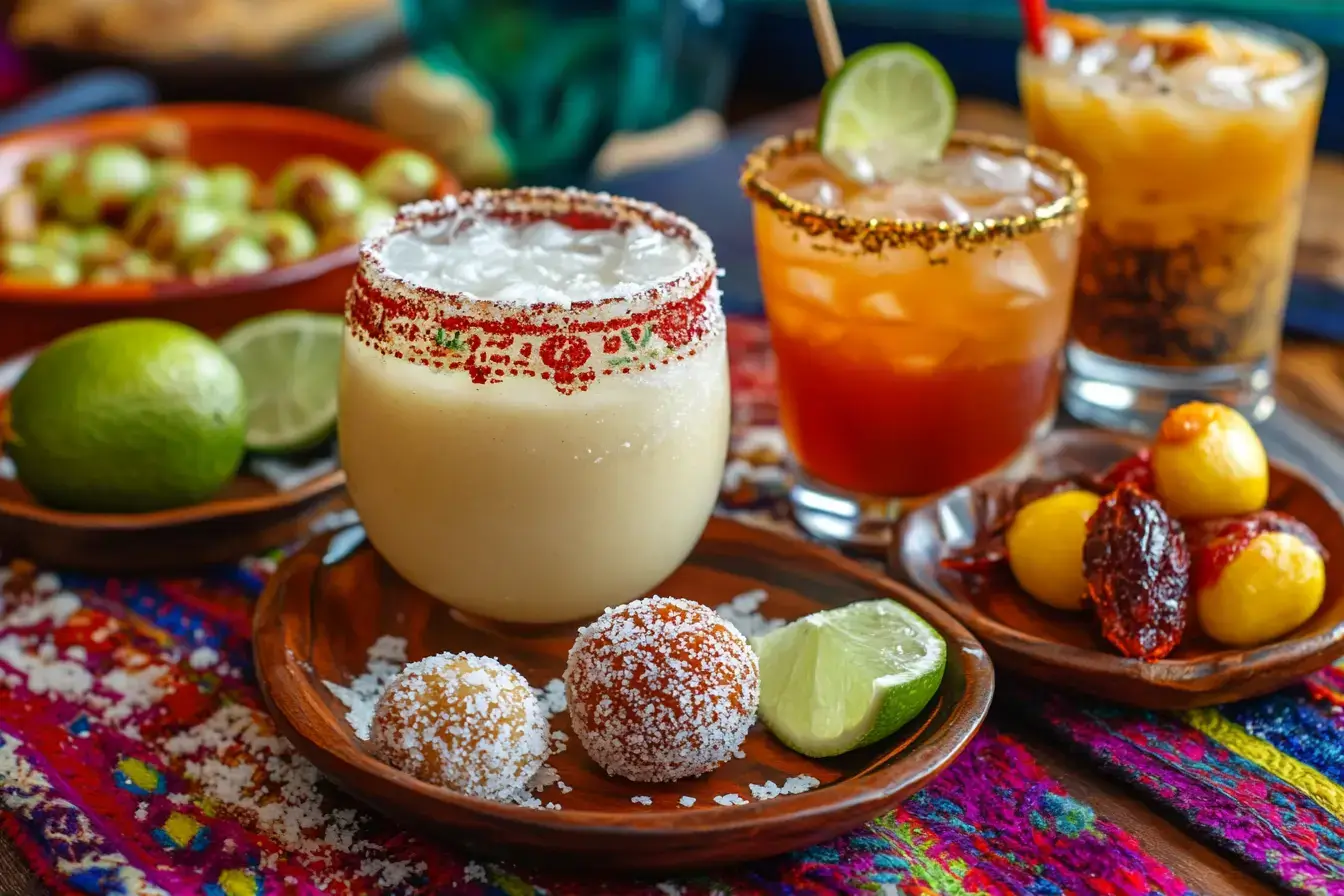
What is the most popular candy in Mexico? You’re definitely not the only one asking. Mexican candy is this whole vibrant, flavorful thing that’s deeply woven into the country’s culture. It’s got this mix of sweet, spicy, and tangy that you just don’t find anywhere else. Tamarind treats, lollipops covered in chili—Mexican candy puts a completely different spin on sweets. This guide covers the top 5 must-try candies in Mexico, so you can figure out which ones people really love. Beyond just tasting good, these candies actually show you something about the food traditions that built Mexican culture.
Who It’s For:
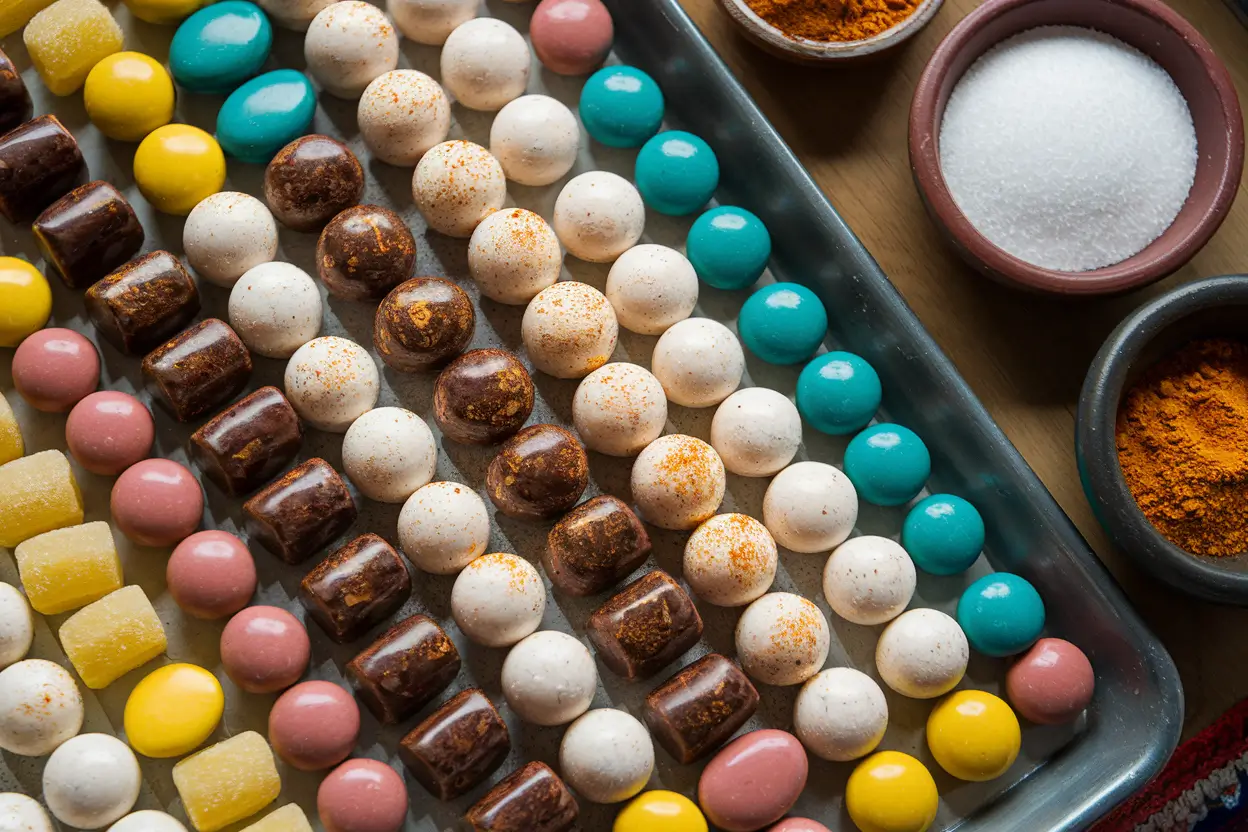
This article is for anyone wondering what is the most popular candy in Mexico. Love trying new snacks? Especially the kind that mix sweet and spicy? These are for you. Parents can find fun treats to share with their kids. Students and travelers get to discover flavors they’ve probably never tried. Really, these candies work for anyone who likes exploring different cuisines and doesn’t mind a little heat.
Ingredients and Substitutes
Want to really understand what is the most popular candy in Mexico? You’ve gotta know the ingredients that make these treats what they are. Mexican candies usually include:
Tamarind: This fruit brings a tangy, sour flavor that shows up as a base in tons of candies.
Chili Powder: Heat and spice. That’s the signature move in most of these.
Sugar and Glucose Syrup: Balances out the spice with sweetness.
Mexican Chocolate: Some candies use spiced chocolate for this rich, decadent thing.
Fruit Flavors: Pineapple, mango, lime—fruity sweetness that’s super popular.
Substitutes:
Got dietary restrictions? Here’s what you can swap. Sugar can become stevia or another natural sweetener for a sugar-free version. Sensitive to spice? Just cut back on the chili powder or skip it entirely. There are also gluten-free versions of a lot of Mexican candies out there, so everyone can get in on these.
Step-by-Step Instructions for Making Mexican Candy at Home
Now you know what the most popular candy in Mexico is—why not make some yourself? Sure, you can buy these in stores, but making them at home means you control the flavors. Customize everything exactly how you want it.
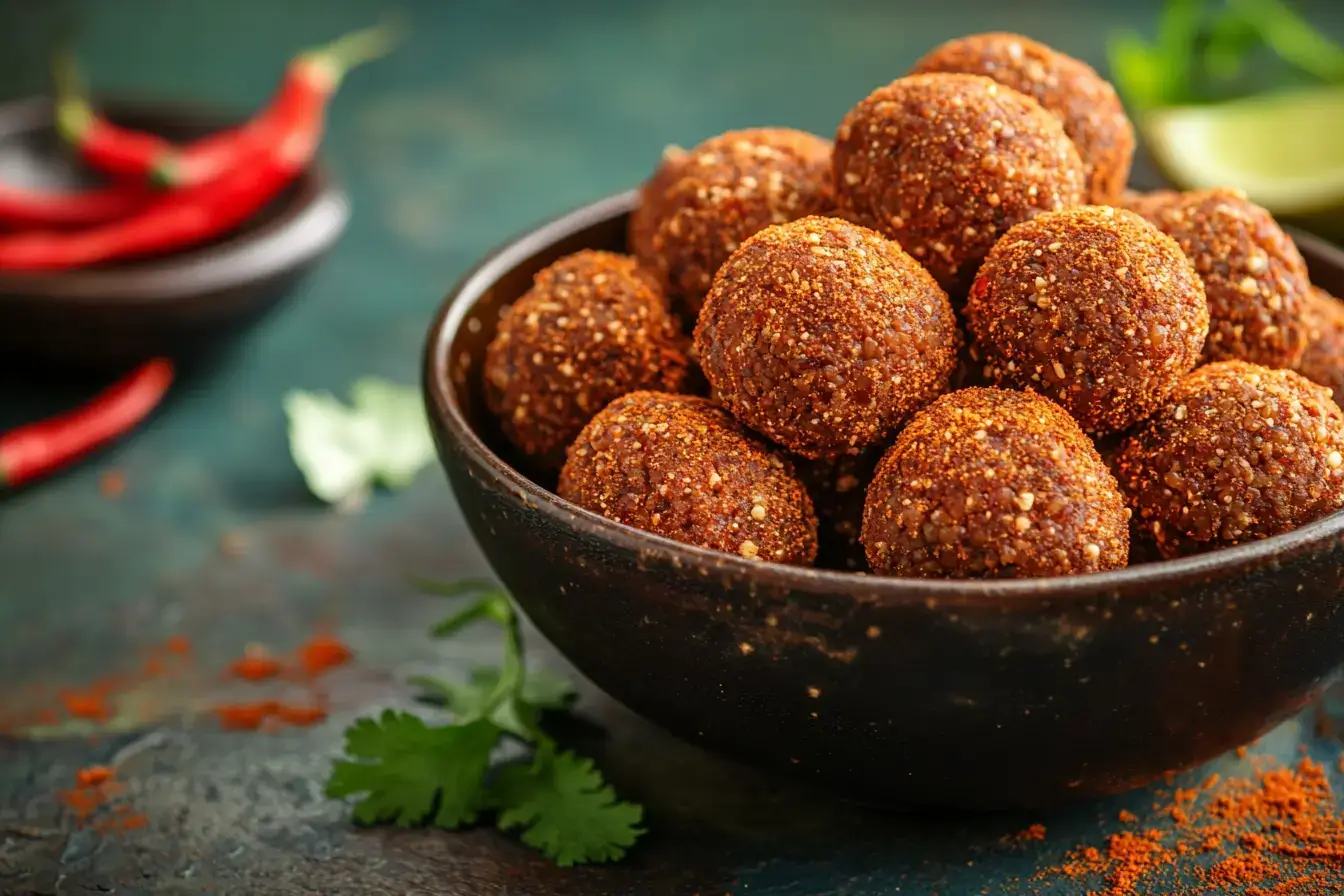
1. Tamarind Balls with Chili
Ingredients: Tamarind pulp, sugar, chili powder, salt
Instructions:
Pull the seeds out of the tamarind pulp.
Throw the tamarind pulp in a bowl with sugar and a pinch of salt. Mix it up.
Shape the mixture into little balls.
Roll each ball in chili powder. That’s where the signature spicy flavor comes from.
Let them sit and dry for a few hours before you eat them.
2. Chili Mango Lollipops
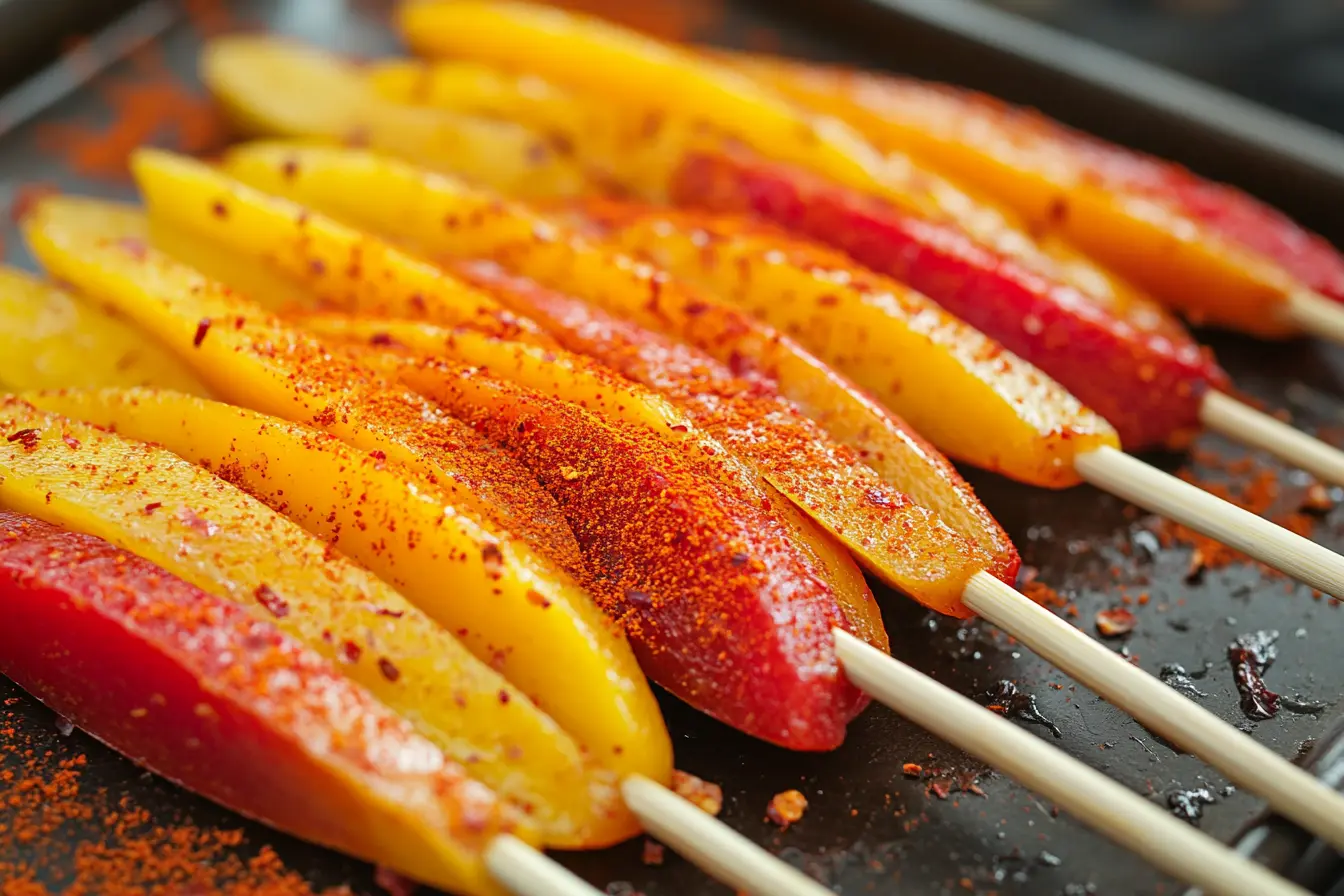
Ingredients: Dried mango slices, chili powder, sugar, lollipop sticks
Instructions:
- Stick a lollipop stick into each dried mango slice.
- Mix chili powder and sugar together in a bowl.
- Sprinkle that chili-sugar mix over the mango slices. Get them coated pretty evenly.
- Let them sit for a bit so the flavors sink in before you eat them.
Making Mexican candy yourself is actually pretty fun. You get to decide exactly how spicy to make things, plus you can mess around with different ingredients. Great way to get kids to try new flavors too.
Tips and Tricks
Want your homemade Mexican candy to turn out right? Keep these in mind:
- Balancing Sweetness and Spice: New to spicy candy? Finding the right balance matters. Start with just a little chili powder. Add more gradually until it hits the heat level you’re after.
- Storage Tips: Homemade candy, especially the tamarind stuff, needs to go in airtight containers so it stays fresh. Stick them in the fridge if you want them to last longer.
- Making Ahead: Planning to serve these at a party? Make them the day before. Saves you time the day of, plus the flavors blend together better when they’ve had a chance to sit.
Variations and Dietary Adjustments
Mexican candy’s easy to adjust for different diets and preferences. Want something milder? Just use less chili powder. Want more fruit flavor? Add extra mango or pineapple—gives it a tropical vibe. Vegan or gluten-free? Most tamarind candies and fruit lollipops are naturally both of those already. Just double-check the ingredients to be sure.
Serving Suggestions
When you’re serving Mexican candy, how it looks matters. Put tamarind balls in a colorful bowl. Wrap those chili mango lollipops in cellophane for something that catches people’s eye. Pair these candies with traditional Mexican drinks like horchata or agua fresca—makes the whole experience better. These also work great as party favors. Adds a fun cultural touch to whatever you’re celebrating.
Nutritional Information
Mexican candy tastes amazing, but it’s worth knowing what you’re eating. Here’s roughly what you’re looking at nutritionally with some of the most popular Mexican candies:
| Candy Type | Calories | Carbs (g) | Sugar (g) | Fat (g) | Protein (g) |
|---|---|---|---|---|---|
| Tamarind Balls | 50 | 12 | 8 | 0.2 | 0.5 |
| Chili Mango Lollipops | 40 | 10 | 9 | 0.1 | 0.3 |
| Chocolate-Covered Candy | 60 | 14 | 10 | 2 | 1 |
Keep portion sizes reasonable and treat these as occasional snacks, not everyday food. That way you can enjoy what is the most popular candy in Mexico without throwing your diet off track.
History and Cultural Significance
The history behind what is the most popular candy in Mexico runs as deep as the flavors themselves. Mexican candies pull from both indigenous and Spanish influences—they’re basically a reflection of the country’s mixed heritage. Take tamarind, for instance. Spanish settlers brought it to the region. Over time it became a staple in Mexican cooking, especially for making candy. Those chili-covered lollipops and tamarind sweets you see everywhere now? They trace back to old traditions of using chili to boost flavors.
Ingredient Spotlight: Tamarind
Tamarind is the star player in Mexican candy. That tangy taste it brings? That’s what makes so many of these sweets stand out. This tropical fruit has this slightly sour-sweet thing going on that works perfectly with chili and sugar. No wonder it’s central to what is the most popular candy in Mexico. When you’re buying tamarind, look for fresh, plump pods that are deep brown. You can also get it as pulp or paste, which makes candy-making way easier.
Cooking Equipment
Making Mexican candy at home doesn’t require fancy gear. Just grab a few basics:
- Mixing Bowls: For mixing tamarind and sugar and whatever else.
- Lollipop Sticks: You need these for chili mango lollipops or any candy-on-a-stick.
- Candy Thermometer: If you’re working with sugar syrups, this helps you nail the consistency.
Seasonal Adaptations
Mexican candy works any time of year, but you can tweak recipes depending on the season. Summer? Use fresh mango and pineapple for something refreshing. Winter holidays coming up? Throw in some cinnamon or clove to give your candies that festive edge.
Storage and Reheating Tips
Storing Mexican candy is straightforward. Tamarind balls and chili lollipops keep fine at room temperature in an airtight container for about a week. Need them to last longer? Fridge works. Got chocolate in your candy? Keep it somewhere cool and dry so it doesn’t melt.
Frequently Asked Questions
Can I make Mexican candy without chili?
Yeah! Plenty of Mexican candies work fine without chili if you want something milder. Just skip the chili powder in the recipe or look for store-bought versions that don’t have it.
Where can I buy authentic Mexican candy?
Specialty stores, online shops, some big supermarkets—they all carry authentic Mexican candy. Mexican festivals and markets are great places to find them too.
What’s the difference between Mexican candy and American candy?
Mexican candy mixes sweet and spicy. American candy mostly sticks to sweet. That chili usage is what sets Mexican candy apart.