


Hispanic candy? It’s in a league of its own. Bright flavors, ingredients you won’t find in regular candy, textures that keep things interesting—this stuff is huge across Latin America. Like spicy candy? Sour? Sweet? All of the above? Hispanic candy’s got you covered. This article breaks down what makes these candies special—the ingredients, the cultural background, the recipes you can actually make yourself without much hassle.
What’s cool about Hispanic candy is just how much variety there is. You’ve got sweet and tangy options, sure. But then there’s also these bold, spicy flavors that are completely different from anything else out there. A lot of these candies use traditional ingredients that go back generations. Making them connects you to that whole history and culture. Almost feels like you’re part of something bigger when you’re putting these together at home.
Why This Recipe?
What Is Hispanic Candy Known For?
Hispanic candy takes your taste buds on a ride. Tamarind treats, lollipops covered in chili, all kinds of wild combinations—the options go on and on. That mix of sweet, sour, and spicy? That’s what sets these candies apart. Makes them stick in your memory. And here’s the best part: you don’t need a plane ticket to Mexico or anywhere in Latin America to try them. Just make them in your own kitchen.
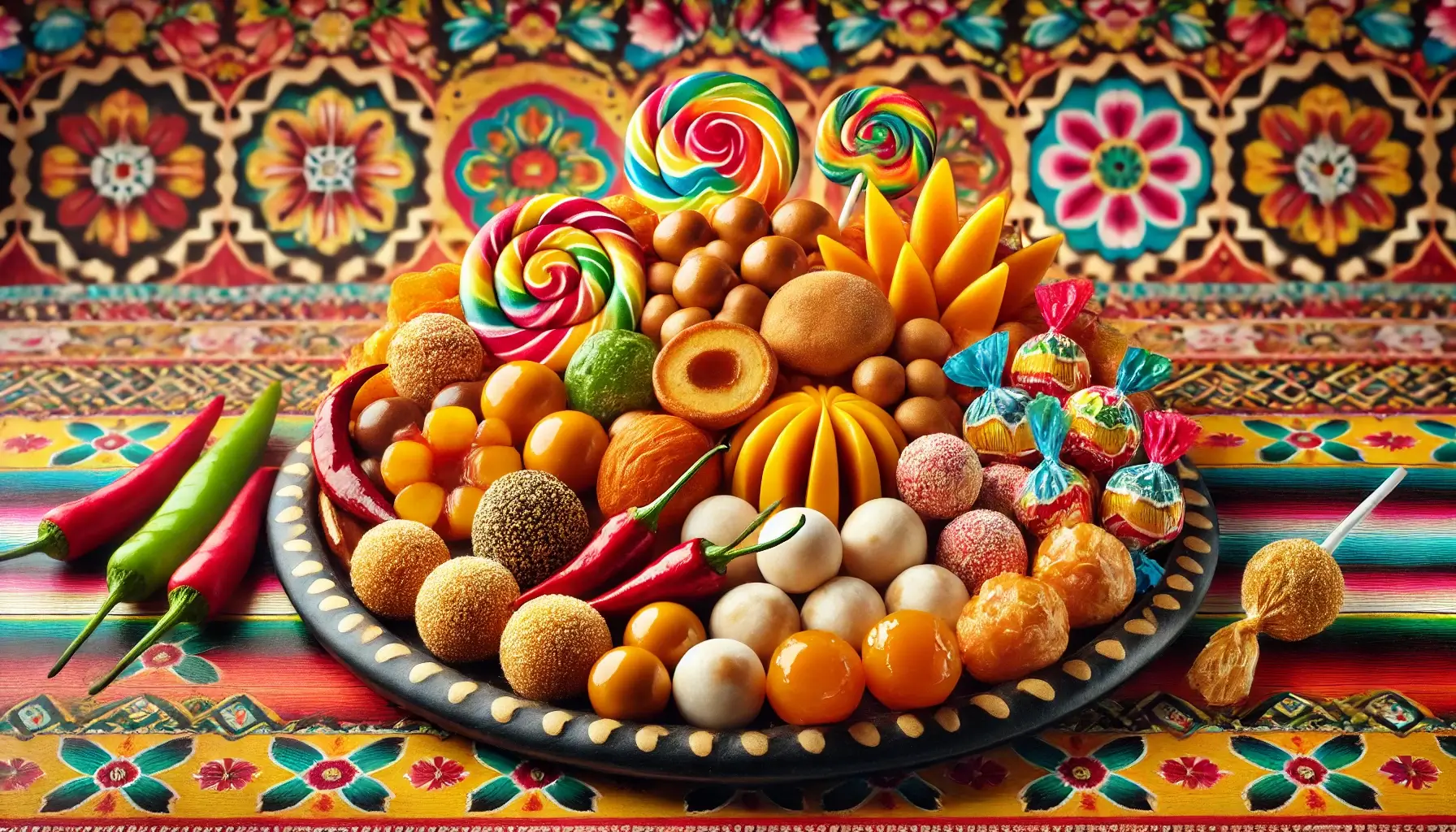
Hispanic candy doesn’t play it safe with flavors or textures. Take tamarind—shows up constantly, brings this tart, tangy foundation to work with. Then they throw chili powder on top for heat. Every bite hits you with something—sweetness, sourness, spice, all at once. Creates this layered taste experience that regular candy can’t touch. Plus, these candies often use natural stuff—actual fruit, nuts, seeds. That’s part of what makes them so unique and diverse from each other.
Perfect for Every Occasion
Making Hispanic candy at home works for basically anything. Birthday party coming up? Cultural event? Just want to try something different? These treats are fun to make and actually satisfying when you nail them. Anyone can do these recipes—doesn’t matter if you’ve never made candy before or if you’re experienced at it. And here’s the thing: you control the spice level and sweetness completely. Make it how you want it.
These candies aren’t tied to any specific season. You can make them whenever. That said, they’re huge during celebrations and holidays. Take Día de los Muertos in Mexico—families make candy specifically for that. Same thing in Colombia at Christmas. Learning these recipes means you can make something special for the people you care about during holidays, big occasions, or honestly just some random weekend when you feel like cooking.
Ingredients and Substitutes for Hispanic Candy
Common Ingredients Used in Hispanic Candy
Hispanic candy recipes mix ingredients you know with stuff that’s a bit more exotic. Here’s what shows up a lot:
- Tamarind: Tangy fruit pulp that’s everywhere in these candies
- Chili Powder: Brings the heat, balances the sweet
- Sugar: For sweetness and keeping everything in check
- Fruit Pulp: Mango, guava, pineapple—all common picks
- Milk or Cream: You see this in dulce de leche treats
People pick these ingredients because the flavors are bold and vibrant. Each one adds something specific. Tamarind’s got that tart thing going that works with sweet stuff and spicy stuff. Chili powder brings heat that the sugar then balances out. When you combine all of this, you get candies with depth.
Substitution Options
Got dietary stuff to work around? Ingredients missing? Here’s what to use instead:
- Tamarind Paste: Can’t get tamarind? Squeeze some lemon or lime juice. Gets you in the same tangy ballpark.
- Chili Powder: Heat not your thing? Cut back on how much you use. Or swap it for paprika—way gentler.
- Dulce de Leche: Caramel works here. Tastes similar, sweet and rich. Texture’s a little off, but close enough.
None of these changes wreck the flavor. They just make life easier or fit whatever diet you’re following. Honestly, playing around with ingredients can be the fun part—you end up with something that feels like your recipe, not just something you copied.
Step-by-Step Instructions
Making Tamarind Balls (Bolitas de Tamarindo)
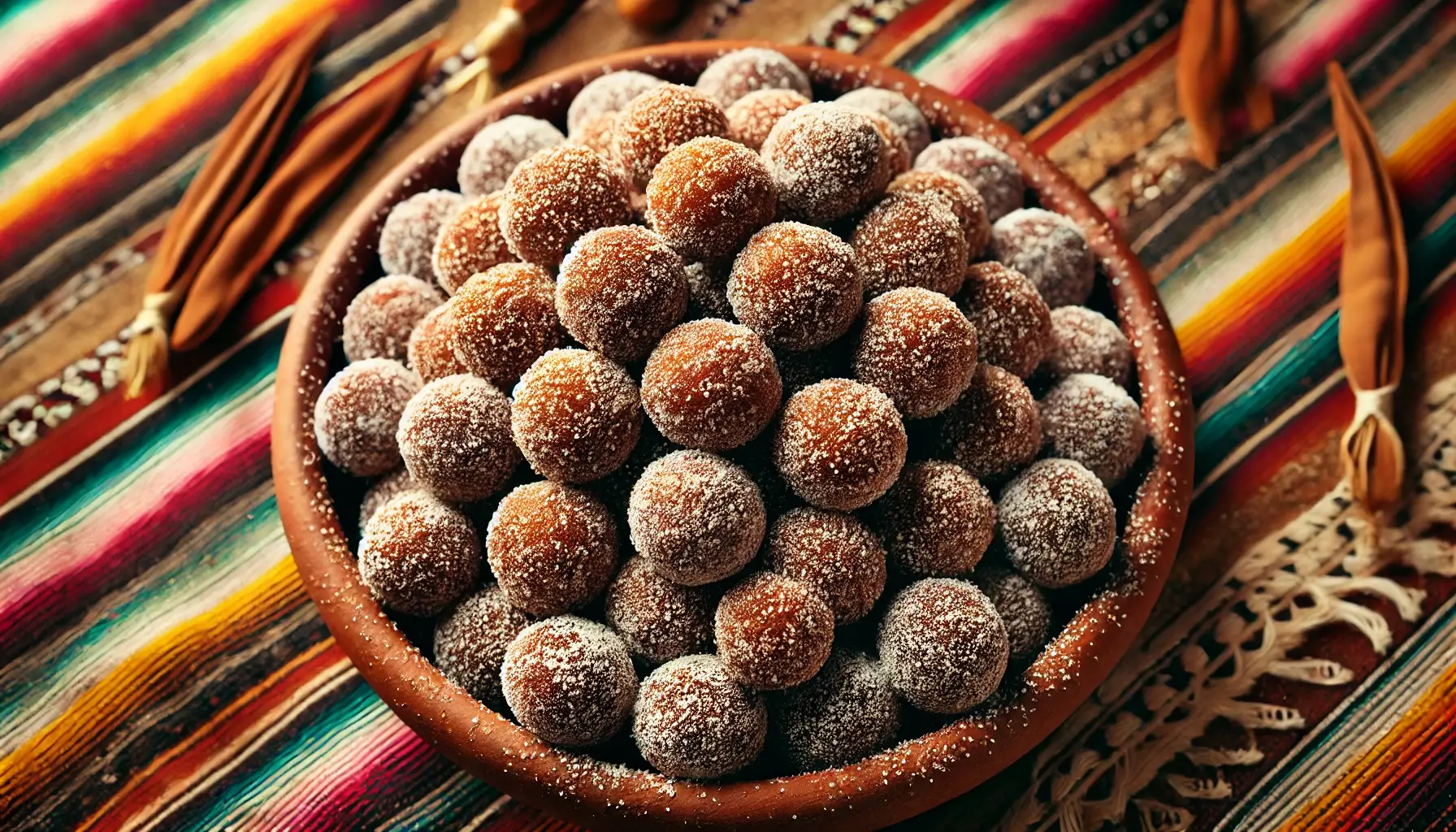
Tamarind balls—one of the most popular Hispanic candies out there. They’ve got this tangy tamarind thing going with sugar and just a touch of chili. Super good. Here’s how you make them:
Prepare Tamarind Pulp: Grab 200g of tamarind pods. Soak them in warm water for about 30 minutes. When they’re soft, pull out the seeds and strain the pulp.
Mix Ingredients: Take that tamarind pulp and throw it in a bowl with 1 cup of sugar, 1 tablespoon of chili powder, and a pinch of salt. Mix it all together.
Form Balls: Roll the mixture into little balls. Then roll them in extra sugar if you want them sweeter on the outside.
Let Set: Let them sit for about an hour to firm up. Then they’re ready.
These things hit all the right notes—sweet, tangy, spicy, all balanced out. First time making candy? Start here. They’re easy to pull off. Plus they’re small, so perfect for snacking or passing around when people come over.
Making Mexican Lollipops (Paletas)

These spicy lollipops? Kids and adults both go crazy for them. Easy to make too. Here’s what you do:
- Prepare Fruit Base: Throw 2 cups of mango pulp in a blender with ½ cup of sugar and 1 teaspoon of chili powder. Blend it up.
- Boil the Mixture: Pour everything into a saucepan. Let it simmer until it gets thick—takes about 15 minutes.
- Mold the Lollipops: Once it’s thick enough, pour it into lollipop molds. Stick the sticks in there.
- Cool and Serve: Let them cool completely. They need to harden all the way before you can eat them.
Mexican lollipops look as good as they taste. Bright colors, bold flavor. You can mess with how spicy or sweet you want them—makes them perfect for trying out different combinations. Plus, you can make a ton at once, so they’re great for parties or any time you’re feeding a crowd.
Tips and Tricks for Perfect Hispanic Candy
Perfecting the Texture of Hispanic Candy
- Tamarind Balls: Mixture too sticky? Add more sugar. Too dry? Splash of water fixes it right up.
- Lollipops: Don’t overboil the mix. Go too long and they turn rock-hard, lose that chewy texture you want.
Getting the texture right matters way more than people think. Honestly, that’s where most mistakes happen when you’re making candy. Follow the steps, use the right stuff, and your candy comes out how it’s supposed to every single time.
Spice Control in Hispanic Candy
You control how much chili powder goes in. Heat-sensitive? Cut it in half. Or skip it completely—that works too.
Love spicy stuff? Add more chili powder. Just remember to balance it with enough sweetness, or you’ll end up with candy that’s just punishing instead of enjoyable. That sweet-spicy balance is exactly why these candies work for kids and adults alike.
Storage Tips for Hispanic Candy
Tamarind balls and lollipops both keep fine in an airtight container. They’ll last about two weeks. Stash them somewhere cool and dry so they don’t melt or get too soft.
Storage matters more than you’d think. Do it right and your candy stays fresh longer. Texture stays intact, flavor doesn’t fade. Airtight containers are the way to go, and keep them away from heat. Heat makes them soft or melty, and nobody wants that.
Variations and Dietary Adjustments
Recipe Variations for Hispanic Candy
- Tamarind Balls: Toss in some dried fruit—raisins or apricots work great. Adds another layer of flavor.
- Lollipops: Try pineapple or guava instead of mango. Completely changes the flavor profile.
Hispanic candy’s super versatile. You can tweak these recipes however you want. Testing different fruits, spices, textures—that’s half the fun. And since the recipes are pretty straightforward, you can make multiple versions until you land on your favorite.
Dietary Modifications
- Sugar-Free Version: Watching sugar? Swap regular sugar for stevia or monk fruit. Both are low-glycemic and work fine.
- Vegan-Friendly: Want these vegan? Use fruit pectin instead of gelatin in the lollipops. Problem solved.
These simple changes mean almost anyone can make and eat Hispanic candy, whatever their dietary situation. Alternative sweeteners make them work for people cutting sugar. Pectin instead of gelatin makes them fully vegan. A few basic swaps and suddenly these candies fit way more diets than you’d expect.
Serving Suggestions
Pairing Ideas for Hispanic Candy
Hispanic candies go perfectly with drinks like aguas frescas or horchata. Those light, refreshing drinks balance out the sweet and spicy from the candy really well. Want something else? Fresh fruit or a dessert platter works great at parties too.
Here’s an interesting move—pair candy with savory snacks. Sounds weird, but trust me. Tamarind balls next to salty nuts or cheese? The contrast between sweet and savory actually makes those bold Hispanic candy flavors pop even more.
Presentation Tips for Hispanic Candy
Want that authentic look? Wrap tamarind balls in colorful wax paper. Put the lollipops on a nice platter. Dust some chili powder around the edges of the lollipops for extra visual punch.
Throwing a party? Use bright paper wrappers or set the candies out in small bowls with cute labels. Individual wrappers on the tamarind balls make them easier for people to grab—especially at events where folks are walking around with drinks in their hands.
Nutritional Information for Hispanic Candy
Tamarind Balls
- Calories: 50 per ball
- Fat: 0.5g
- Carbohydrates: 12g
- Protein: 1g
Tamarind balls taste great and they’re not calorie bombs either. Pretty low compared to most candy. That combo of tamarind and chili gives you tons of flavor without drowning you in sugar. Way more reasonable than regular candy if you’re trying to be somewhat health-conscious.
Lollipops
- Calories: 70 per lollipop
- Fat: 0g
- Carbohydrates: 18g
- Protein: 0g
Mexican lollipops have more carbs, but they’re still a fun treat. Since you’re making them yourself, you control how sweet or spicy they get. You can make them as light or indulgent as you want. That’s the beauty of homemade candy—you decide what goes in and how much, so you can make treats that actually fit how you want to eat.
History and Cultural Significance of Hispanic Candy
The Roots of Hispanic Candy
Hispanic candy goes way back to indigenous cultures in Latin America. Tamarind, chili, sugar—people were using this stuff long before the Spanish showed up. When the Spanish did arrive, their influence mixed with what was already there. That fusion created the unique candy we see today. It’s basically a reflection of all these different culinary traditions blending together.
Take tamarind. Originally came from Africa and India, but it caught on in Latin America because of that tart flavor and how versatile it is. Chili peppers? Native to the Americas. Aztecs and Mayans were already throwing them in dishes, including early versions of candy. These ingredients were cheap and everywhere, so naturally they ended up in candy recipes.
Cultural Variations of Hispanic Candy
In Mexico, spicy candies like Pulparindo are huge. Head to Colombia and you’ll find Arequipe—this caramel-like candy that’s super popular there. Every country puts its own spin on these classics.
Geography and local ingredients change what Hispanic candy looks like depending on where you are. Caribbean-style sweets lean heavy on tropical fruits like mango and guava. Central and South America? Dulce de leche and chocolate candies dominate. All this variety in ingredients means you get wildly different textures and flavors across different countries.
Ingredient Spotlight: Tamarind
Tamarind is the MVP of Hispanic candy. That tangy flavor works so well with sugar and spice—you can use it in all kinds of ways. Most Hispanic grocery stores carry it, but if you can’t find fresh tamarind, grab tamarind paste instead. When you’re picking tamarind, look for pods that are soft and plump. They should give a little when you squeeze them.
Here’s something interesting—tamarind shows up in way more than just candy. Sauces, drinks, marinades—it’s all over Latin American cooking, both sweet and savory stuff. That versatility is why so many households keep it around. You can throw it into tons of different recipes without thinking twice.
Cooking Equipment for Hispanic Candy
- Lollipop Molds: Gotta have these for shaping Mexican lollipops properly.
- Saucepan: Get a solid one. You need it for heating the fruit mixture without burning anything.
- Mixing Bowl: For blending tamarind and sugar to the right consistency.
- Mortar and Pestle: Useful if you want to grind your own chili powder. Fresh tastes better.
Right equipment matters when you’re making candy. That said, no lollipop molds? Small cupcake liners or ice cube trays work fine as backups. Regular mixing bowl does the job if you don’t have a mortar and pestle lying around. Point is, with just a few basic tools, you can make solid candy right from your kitchen.
Seasonal Adaptations for Hispanic Candy
Spring and Summer Hispanic Candies
Mango and pineapple are perfect for spring and summer lollipops. Add some lime juice if you want something extra refreshing—goes great with warm weather.
Summer’s when you should use fresh fruit in these recipes. Take advantage of what’s in season. Watermelon in your lollipops? Light, refreshing, perfect for cookouts or picnics. Uses up that fresh produce while it’s at its peak.
Holiday Variations for Hispanic Candy
Holidays coming up? Throw some cinnamon and nutmeg into your tamarind balls. Instant festive flavor. Or use holiday-shaped molds for the lollipops to make them more celebratory.
Christmas time, try peppermint or chocolate to give your candies that holiday vibe. Adapting these recipes to match the season means you can make candies that fit whatever occasion you’re celebrating. Changes the whole feel.
Storage and Reheating Tips for Hispanic Candy
Tamarind Balls: Airtight container at room temperature. They’ll last two weeks, no problem.
Lollipops: Wrap them in plastic, keep them somewhere cool. Whatever you do, don’t leave them in direct sunlight. They’ll melt.
Storage really matters with homemade candy. Keep things dry and cool and your candy stays fresh, texture doesn’t go weird. Making candy ahead of time? Tamarind balls actually keep even longer in the fridge if you need to extend their shelf life.
Frequently Asked Questions (FAQs) About Hispanic Candy
How Spicy Is Hispanic Candy?
Most Hispanic candies hit a balanced heat level, but you control how spicy they get by changing how much chili powder you use.
Usually the spice is pretty mild—just enough to give you a little kick without covering up the sweetness. But if you like things hot, go ahead and add more chili powder. Make it as spicy as you want.
Can I Make These Candies Sugar-Free?
Yeah! Use natural sweeteners like stevia or monk fruit instead of regular sugar.
Looking for fewer calories? Stevia or monk fruit work fine in place of sugar. Makes it possible to eat Hispanic candy without piling on the sugar. Better option if you’re watching your intake.
Where Can I Find Tamarind for Hispanic Candy?
Hispanic or Asian grocery stores usually have it. If you can’t find fresh pods near you, buy tamarind paste online.
Tamarind’s pretty common and you can find it in lots of places. Hispanic and Asian markets are your best bet for fresh pods. Regular grocery stores sometimes carry tamarind paste in their international section. Or just order it online if you don’t feel like driving around looking for it.
Budget-Friendly Tips for Making Hispanic Candy
Cost-Saving Ingredients: Use whatever fruit’s in season. Way cheaper. Tamarind paste costs less than fresh pods and works just as well in candy.
Homemade Chili Powder: Make your own from dried peppers. Costs way less than buying it pre-made, plus you control exactly how spicy it is.
Want to save money on ingredients? Buy fruit when it’s in season. Prices drop and quality’s better anyway. Making your own chili powder by drying and grinding peppers at home cuts costs and lets you adjust the flavor however you like.
Sustainability and Eco-Friendly Tips for Hispanic Candy
Reduce Plastic Waste: Skip plastic wraps. Use beeswax wraps or glass containers instead—they’re reusable.
Compost Scraps: Those tamarind shells and fruit peels? Toss them in your compost. No reason to waste them.
Going for eco-friendly? Try beeswax wraps instead of plastic. Composting fruit scraps cuts down waste and actually helps the environment. Small changes like this let you make candy without feeling bad about the planet.
Kid-Friendly Adaptations
Spice Reduction: Cut back on chili powder or leave it out completely. Makes them way more kid-friendly.
Fun Shapes: Use animal or star molds for lollipops. Kids go crazy for shapes.
Making these for kids? Dial back the spice or remove it entirely. Using fun lollipop molds—animals, stars, whatever—makes them more excited to eat them. Little tweaks like this and suddenly the whole family’s into them.
Recipe Scaling for Hispanic Candy
Double the Batch: Hosting a party? Double everything. Store what’s left over or hand them out as party favors.
Batch Cooking: Make big batches and freeze tamarind pulp for next time. Cuts down on prep work later when you want to make more candy.
Making candy for a crowd? Scale up the recipes. Saves time in the long run. Freezing tamarind pulp ahead of time means you’ve got it ready whenever you need it. Makes the whole process faster next time around.
Conclusion
Hispanic candy takes you on this flavor journey straight into Latin America’s food traditions. Sweet, spicy, tangy—all happening at once. These candies are fun to put together and taste amazing when you’re done. You can adjust the recipes however you need to—different preferences, dietary stuff, whatever the occasion calls for. Tamarind balls, Mexican lollipops, all of it—Hispanic candy just opens up so many options for treats.
Here’s what makes it great: making these at home lets you dive into traditional flavors without spending a ton of money or wasting a bunch of stuff. Plus, it’s a solid way to show people what Latin American cuisine is really about. Friends and family who’ve never tried these flavors? They’ll get it.
Hope this article gets you excited to mess around in the kitchen. Share these candies with people. Don’t be scared to play with the ingredients and techniques we covered. Your perfect candy’s out there—you just gotta find it.
Happy candy making!