


Mexican cuisine mixes rich traditions with all kinds of flavors, and candy’s a huge part of that culture. Among all the sweet stuff out there, you might wonder: what is the oldest candy in Mexico? This article digs into the origins of Mexico’s oldest candy, alegrías, covering where they came from, why they matter culturally, what makes them unique, and even how to make them yourself.
Why This Candy Matters: What is the Oldest Candy in Mexico?
A Journey Back in Time: The Oldest Candy in Mexico
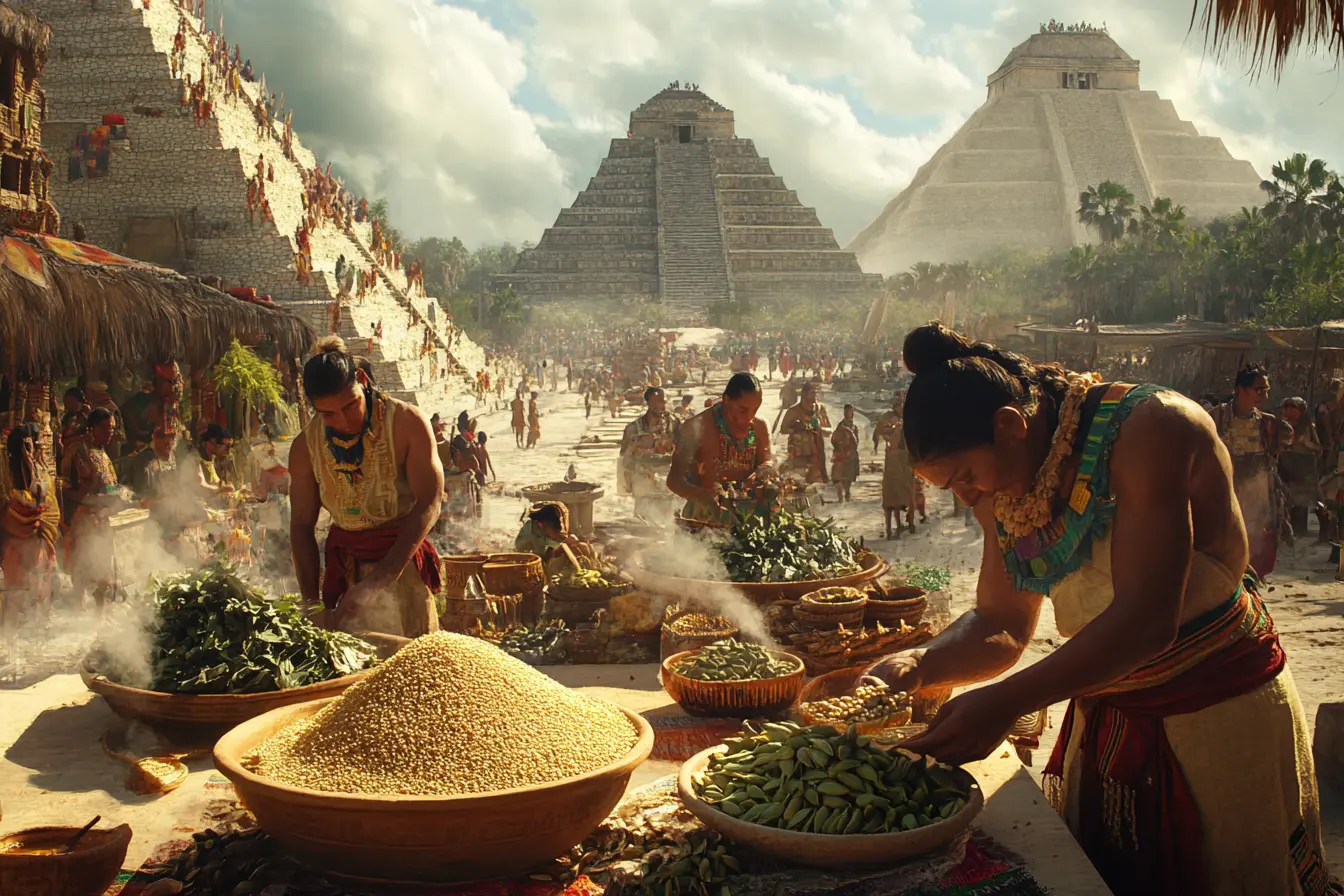
Alegrías are pretty much recognized as the oldest candy in Mexico. Their history goes all the way back to the Aztec civilization. This ancient candy’s made mainly from amaranth seeds, which were a huge crop for the Aztecs. They didn’t just eat amaranth with regular meals—they used it in religious ceremonies too, mixing the seeds with honey to make edible offerings. Fast forward to today, and alegrías are still a favorite treat. They connect modern Mexicans to what their ancestors were eating centuries ago. When you figure out what is the oldest candy in Mexico, you’re learning about how important food is to Mexican history and culture.
Who Will Love This Traditional Candy?
Into history? Ancient cultures? Love checking out traditional sweets? Then alegrías are perfect for you. This candy also works great for health-conscious people since it’s naturally gluten-free and loaded with nutrients from amaranth. Families looking for wholesome snacks for their kids will appreciate how simple and nutritious Mexico’s oldest candy is.
Ingredients and Substitutes for Alegrías, the Oldest Candy in Mexico
What Are the Traditional Ingredients?
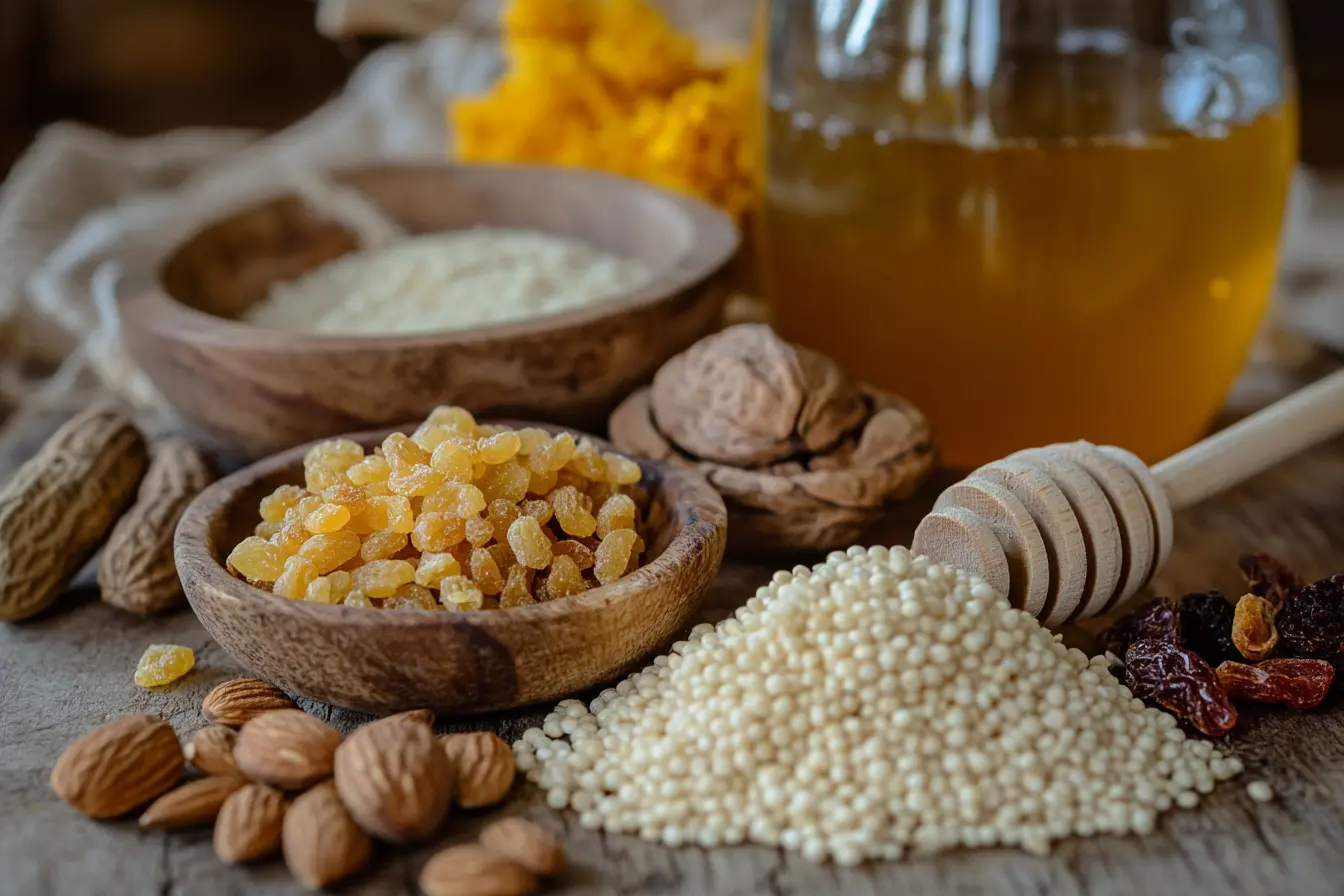
Making alegrías? You need amaranth seeds first—puff them, toast them. Then grab a sweetener. Honey works. Or piloncillo, which is this traditional unrefined Mexican sugar. Want to mix things up? Add nuts like almonds or peanuts. Dried fruits—raisins, cranberries—those work too. All of this comes together to make this candy that’s both unique and satisfying. People have been eating these for centuries, and for good reason.
Mexican cuisine mixes rich traditions with all kinds of flavors, and candy’s a huge part of that culture. Among all the sweet stuff out there, you might wonder: what is the oldest candy in Mexico? This article digs into the origins of Mexico’s oldest candy, alegrías, covering where they came from, why they matter culturally, what makes them unique, and even how to make them yourself.
Serving Suggestions for Alegrías, Mexico’s Oldest Candy
Pairing Ideas
Want to make alegrías taste even better? Pair them with traditional Mexican drinks like atole or champurrado. Those warm, comforting drinks go perfectly with the candy’s sweetness. More into modern stuff? Alegrías work great with coffee or green tea too. Makes for a balanced snack either way.
Presentation Tips
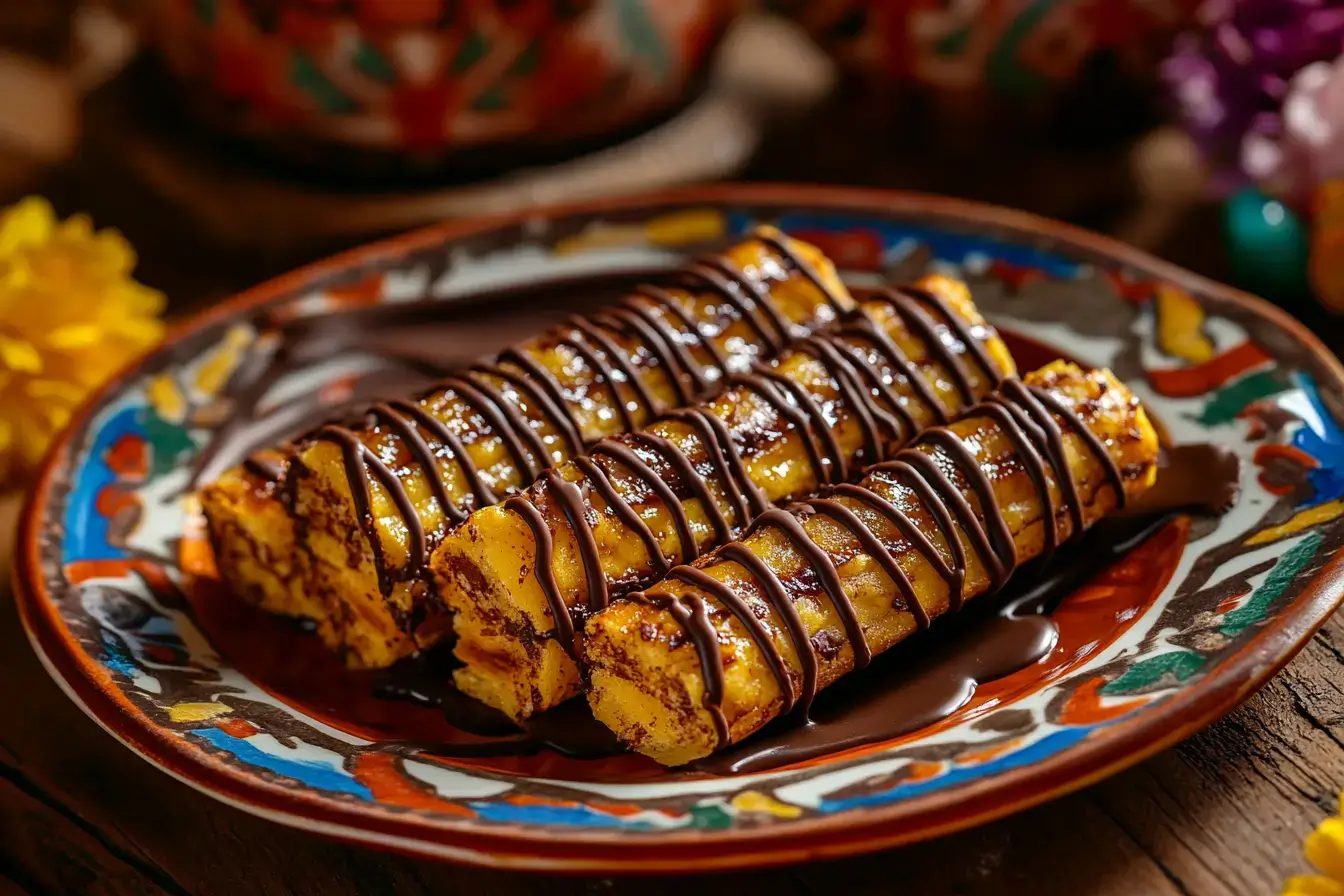
Making these for something special? Drizzle melted chocolate or caramel sauce over them. Or sprinkle a little sea salt on top—that sweet-salty contrast is really good. These touches make them look way more impressive, perfect when you need something for an event or celebration.
Nutritional Information for Mexico’s Oldest Candy
Nutritional Benefits of Amaranth in Alegrías
Alegrías aren’t just tasty—they’re actually good for you too. Amaranth, the main ingredient in Mexico’s oldest candy, packs a ton of protein, fiber, and essential vitamins like iron and magnesium. Here’s what you’re getting nutritionally:
| Nutrient | Per Serving |
|---|---|
| Calories | 130 |
| Protein | 5g |
| Fiber | 3g |
| Carbohydrates | 22g |
| Fats | 3g |
Looking at these numbers, alegrías make for a pretty guilt-free snack. You get flavor without completely wrecking your health goals.
The History and Cultural Significance: What is the Oldest Candy in Mexico?
What Is the Oldest Candy in Mexico? The Story of Alegrías
The oldest candy in Mexico? That’s alegrías—made from amaranth seeds. Goes back to the Aztecs. This candy wasn’t just food for them; it played a huge role in their religion too. They considered amaranth sacred. They’d mix it with honey to make offerings for their gods. Now people eat it for the taste, sure, but also because it connects them directly to ancient Mexican traditions. That historical weight is still there.
Cultural Variations in Mexico’s Oldest Candy
Alegrías started in central Mexico, but different regions put their own spin on it. Some versions throw in sesame seeds for a nuttier flavor. Others use pumpkin seeds or cacao nibs to mix things up. These variations show how diverse Mexican food is while still keeping the candy’s traditional core intact.
Ingredient Spotlight: Amaranth, the Star of Mexico’s Oldest Candy
What Makes Amaranth So Special?
Amaranth—the main thing in alegrías—has been around for over 8,000 years. This ancient grain has this slightly nutty flavor people love, plus the nutritional profile is seriously impressive. Loaded with protein, fiber, essential vitamins. Makes it perfect for Mexico’s oldest candy. Oh, and it’s naturally gluten-free too, so more people can eat it without issues.
Where to Find Amaranth for Your Recipe
Most health food stores carry amaranth. Regular supermarkets usually have it in the gluten-free section. Shopping online? You’ll find it everywhere through all kinds of retailers. Want to save money? Buy in bulk if you’re planning to use amaranth in multiple recipes. Cuts costs significantly.
Cooking Equipment for Making Alegrías, Mexico’s Oldest Candy
Essential Tools
Making alegrías doesn’t require fancy equipment. Just grab these basics:
- Non-stick pan for toasting amaranth seeds
- Saucepan for making the syrup
- Baking dish for shaping the candy
Equipment Alternatives
No non-stick pan? Regular skillet works fine. Just keep stirring so the amaranth doesn’t burn. Silicone molds are great too if you want to shape the candy into individual pieces. Makes them look more fun for kids or when you’re serving them at something special.
Storage and Reheating Tips for Alegrías
How to Store Alegrías
After you make alegrías, stick them in an airtight container at room temperature. They’ll stay fresh for about a week. Live somewhere humid? Throw them in the fridge instead. Keeps that crunchy texture from going soft.
Reheating Tips
Most people eat alegrías at room temperature, but if you want them chewier, pop them in the microwave for a few seconds. Just enough to soften them up. Changes the texture completely if that’s what you’re after.
Frequently Asked Questions: What is the Oldest Candy in Mexico?
Can I Substitute Quinoa for Amaranth?
Yeah, quinoa works if you can’t get amaranth. It won’t puff up quite the same way, but the texture and nutritional benefits are pretty similar. You’ll still end up with something close to Mexico’s oldest candy.
Is Amaranth Considered a Superfood?
Definitely. Amaranth gets called a superfood because of how nutrient-dense it is. Contains all nine essential amino acids—that makes it a complete protein. Huge deal for vegetarians and vegans. Plus it’s loaded with iron, calcium, and magnesium. So yeah, alegrías, the oldest candy in Mexico, are actually healthy for you on top of tasting good.
Conclusion: Discover the Joy of Alegrías, the Oldest Candy in Mexico
Alegrías—the oldest candy in Mexico—are more than just sweets. They’re a direct line to Mexican history and culture. Making this candy at home connects you to the Aztec civilization and all the food traditions that built Mexico over centuries. Share them with people. Eat them yourself. Either way, you’re getting this traditional candy that’s both delicious and actually nutritious, straight from Mexico’s past.
Try making Mexico’s oldest candy at home. Share what happens when you do. Let this recipe open up more of Mexican food, culture, and history for you.