

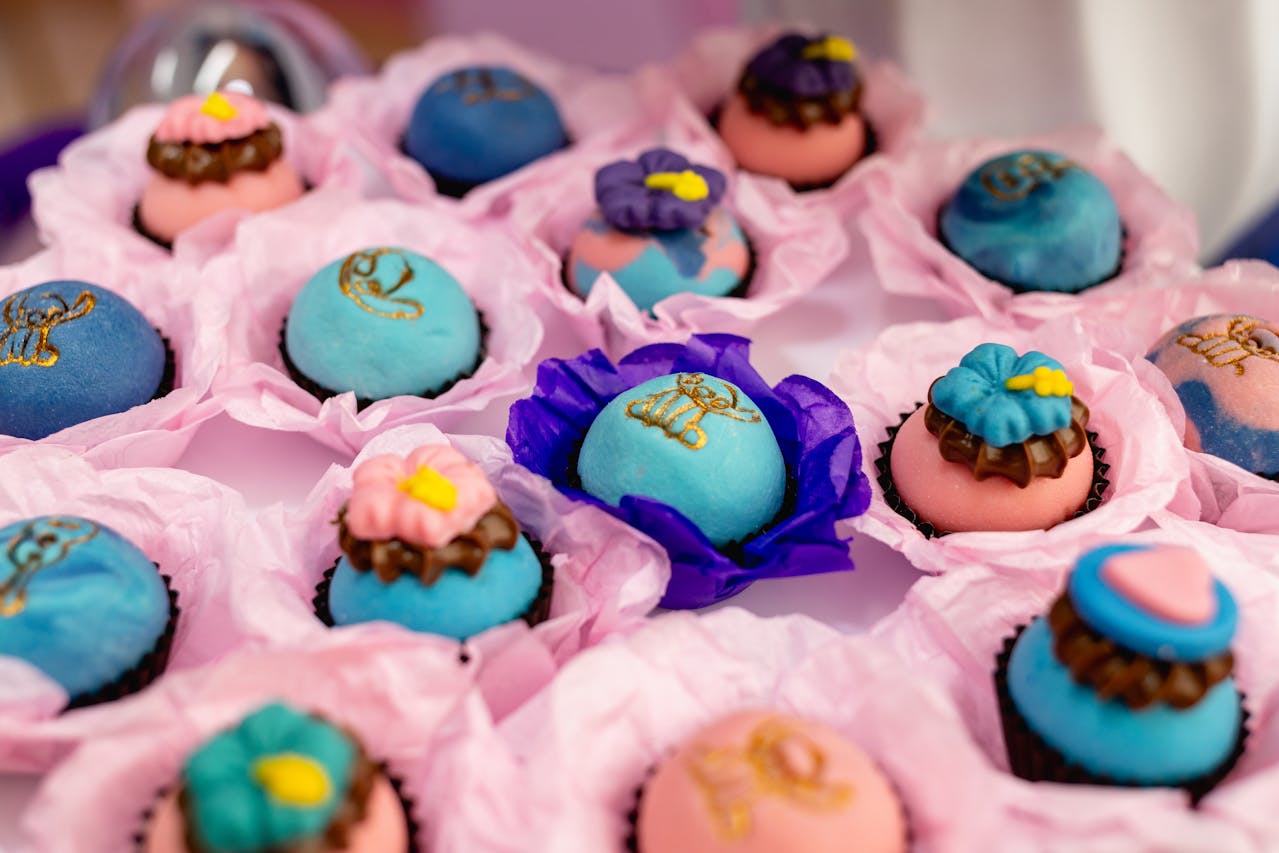
People keep asking: Is a bon bon actually candy, or is it something else?
Short answer: Yeah, bon bons are candy. They’re a specific type of candy – usually a sweet filling wrapped in chocolate or a hard candy shell.
But there’s more to it than that. Bon bons have this whole history and they come in different forms depending on where you are in the world.
This article’s gonna cover what bon bons actually are, where they came from, how they’re different from other chocolates, plus a recipe you can make at home if you want to try it yourself.
Let’s get into it.
Why Make Bon Bons at Home?
Making bon bons is easier than you’d think. And it’s kind of fun.
They’re traditionally French, but basically every culture has their own version now. Different fillings, different coatings, different styles.
The recipe’s flexible too. You can adjust it based on what you like or what dietary stuff you’re dealing with.
Who This Is For
Beginners – If you’ve never made candy before, this is a good starting project. Not too complicated but feels impressive when you’re done.
Chocolate lovers – If you’re into chocolate-covered anything, you’ll probably like these.
Parents – This is a decent activity to do with kids. Plus homemade bon bons make good gifts if you need that.
Health-conscious people – You can control what goes in them. Make them as indulgent or as light as you want.
What Are Bon Bons? (Is Bon Bon a Candy?)
Bon bons are small candies with a sweet filling inside a chocolate or candy shell.
The word “bon bon” comes from French – “bon” means good. So basically “good good.” Which is kind of cute.
Over time they’ve evolved into tons of different types. Fruit-filled versions. Chocolate truffle-style ones. Sugar-coated ones. All kinds of variations. If you’re curious about other types of candies, check out this guide on the Difference Between Chocolate and Bon Bons.
Bon Bon vs. Truffle: What’s the Difference?
People mix these up a lot.
Truffles are mainly ganache (that chocolate-cream mixture) rolled in cocoa powder. Soft and creamy texture.
Bon bons can have all kinds of fillings and usually have a harder chocolate shell or sugar coating. Different texture, different preparation.
Both are types of candy. But they’re not the same thing. Learn more about bon bon varieties and their history in our comprehensive article What Are Bonbons? Guide to Delicious Chocolate Treats.
Ingredients and Substitutes
What You Need for Classic Chocolate Bon Bons
- 8 oz dark or milk chocolate, chopped
- ½ cup heavy cream
- 2 tablespoons butter
- 1 teaspoon vanilla extract (optional)
- Coating options: cocoa powder, melted chocolate, or crushed nuts
Substitutions
Depending on dietary needs or what you have available:
Dairy-Free/Vegan – Use coconut cream instead of heavy cream. Use dairy-free chocolate.
Sugar-Free – Get sugar-free chocolate. Use natural sweeteners like stevia.
Nut-Free – Skip the nuts. Use fruit preserves or dried fruit as fillings instead.
How to Make Bon Bons: Step-by-Step Guide
Now that we know bon bons are indeed candy, let’s make some.
Step 1: Make the Filling
Heat the cream – Put your heavy cream in a small saucepan over medium heat. Let it simmer, then take it off the heat.
Melt the chocolate – Add your chopped chocolate to the warm cream. Stir until it’s smooth. Mix in the butter and vanilla extract.
Chill it – Let it cool to room temperature, then stick it in the fridge for an hour until it firms up.
Step 2: Shape the Bon Bons
Scoop the filling – Once it’s firm, use a small scoop or spoon to form little balls. Roll them between your hands to make them round and even.
Add fillings (optional) – Want extra flavor? Make a dent in each ball, add some fruit jam or peanut butter, then reshape to seal it.
Chill again – Put them on a lined baking sheet and refrigerate for another 30 minutes.
Step 3: Coat the Bon Bons
Melt coating chocolate – Use a double boiler to melt your coating chocolate until smooth.
Dip each bon bon – Use a fork or dipping tool to lower each bon bon into the chocolate. Let excess drip off before putting it on a parchment-lined tray.
Add toppings – Roll in cocoa powder or sprinkle crushed nuts or coconut on top while the chocolate’s still wet.
Set them – Chill in the fridge until the coating’s hard.
Step 4: Serve and Enjoy
Done. Your homemade bon bons are ready.
They taste best at room temperature – lets you actually taste that creamy filling properly.
Tips and Tricks for Perfect Bon Bons
Use good chocolate – The flavor depends on your chocolate quality. Don’t cheap out here.
Don’t overheat – Melt chocolate on low heat, stir frequently. Overheated chocolate gets weird and grainy.
Plan ahead – The filling needs time to chill. Factor that into your timeline.
Get creative – Try different extracts, spices, or even a splash of liquor for adult versions.
Variations and Dietary Adjustments
Bon bons are super flexible. Here’s some options.
Flavor Variations:
Peppermint bon bons – Add peppermint extract to the filling. Refreshing.
White chocolate bon bons – Swap dark/milk chocolate for white chocolate if you want it creamier.
Spiked bon bons – Add rum, whiskey, or amaretto to the ganache for an adult version.
Dietary Modifications:
Gluten-Free – Bon bons are naturally gluten-free. Just double-check all ingredients are certified.
Vegan – Use coconut cream and vegan chocolate. Pretty straightforward.
Are Bon Bons Healthy?
I mean… they’re candy. Let’s not pretend they’re health food.
But dark chocolate bon bons do have antioxidants. Good for your heart supposedly. Reduces inflammation.
Making them at home means you control sugar and fat content. So they’re healthier than store-bought versions at least. Discover more about how homemade treats like bon bons can be healthier in our recipe for Easy Homemade Bonbons.
Still candy though. Just slightly better candy.
Serving Suggestions
Bon bons work for lots of occasions.
After-dinner treat – Serve with coffee or tea. Nice way to end a meal.
Homemade gift – Package them in decorative boxes for holidays or birthdays. People actually appreciate homemade gifts.
Party dessert – Put them on a platter with cookies and other sweets. Looks impressive, tastes good.
Nutritional Information for Bon Bons
Okay so if you’re curious about what’s in these nutrition-wise, here’s roughly what you’re looking at for a serving of three bon bons:
| Nutrient | Amount per Serving |
|---|---|
| Calories | 210 |
| Total Fat | 14g |
| Saturated Fat | 8g |
| Carbohydrates | 18g |
| Sugar | 15g |
| Protein | 2g |
These numbers change depending on what exact ingredients you use. Dark chocolate vs milk chocolate. Heavy cream vs coconut cream. Extra fillings or not.
Is it healthy? No, it’s candy. But at least when you make them at home you know exactly what’s going into them.
History and Cultural Significance of Bon Bons
Bon bons have been around since the 1600s. French confectioners started making them back then.
At first, they were a luxury thing. Rich people ate them. The name literally means “good good” in French, which tells you how people felt about them.
How They Spread
As French influence spread across Europe, bon bons went with it. Different regions started making their own versions with local twists.
Now you’ve got all kinds. Sugar-coated fruit candies. Chocolate-filled ones. Each place has its own style.
The basic concept stayed the same though – small, sweet, bite-sized treats. Just executed differently depending on where you are.
Ingredient Spotlight: Chocolate
Chocolate’s the main ingredient in most bon bons. And not just for flavor.
It creates that smooth, rich texture. Makes them feel luxurious instead of just sweet.
Types of Chocolate
Dark chocolate – deeper, more complex flavor. More antioxidants too if you care about that.
Milk chocolate – sweeter, creamier. Most people prefer this.
White chocolate – technically not real chocolate but whatever. Very sweet, very creamy.
Tips for Choosing Chocolate
Cocoa content matters – Higher cocoa percentage (like 70% or more) gives you richer flavor and more of those antioxidant benefits.
Quality counts – Get chocolate with smooth texture and minimal weird additives. You can taste the difference.
Tempering for shine – If you want that professional glossy finish and satisfying snap when you bite into the coating, temper your chocolate. It’s a heating and cooling process. Not required but makes them look nicer.
Frequently Asked Questions
1. How long do bon bons last?
Keep them in an airtight container in the fridge. They’ll stay good for about 2 weeks.
Want to keep them longer? Freeze them. They’ll last up to 3 months in the freezer.
Just let them come to room temperature before eating. Tastes better that way.
2. Do I need special equipment to make bon bons?
Nope. You can melt chocolate in the microwave if you want. A regular fork works fine for dipping.
Don’t let anyone make you think you need fancy candy-making tools. Nice to have, sure. But not necessary.
3. What if my chocolate seizes up?
Seized chocolate gets grainy and weird. Usually happens when water gets in the chocolate or you overheat it.
Fix it by adding a small amount of vegetable oil or butter. Stir it in and it should smooth out.
To prevent it: melt chocolate slowly, keep water away from it, stir frequently.
Conclusion
So yeah. Bon bons are definitely candy. No question there.
They’re versatile too. You can customize them however you want – different fillings, different coatings, different flavors. Make them work for whatever dietary stuff you’re dealing with.
Good for after-dinner treats. Good for gifts. Good for parties. They work in a lot of situations.
Now you know the history behind them and how to make them yourself. Time to actually try it.
Make a batch. See how it goes. Experiment with different flavors once you’ve got the basic technique down.
And if yours don’t turn out perfect the first time? That’s fine. They’ll still probably taste good. You’ll get better at it.
Let us know how your bon bon-making goes. What flavors did you try? What worked? What didn’t?
Happy candy-making.