

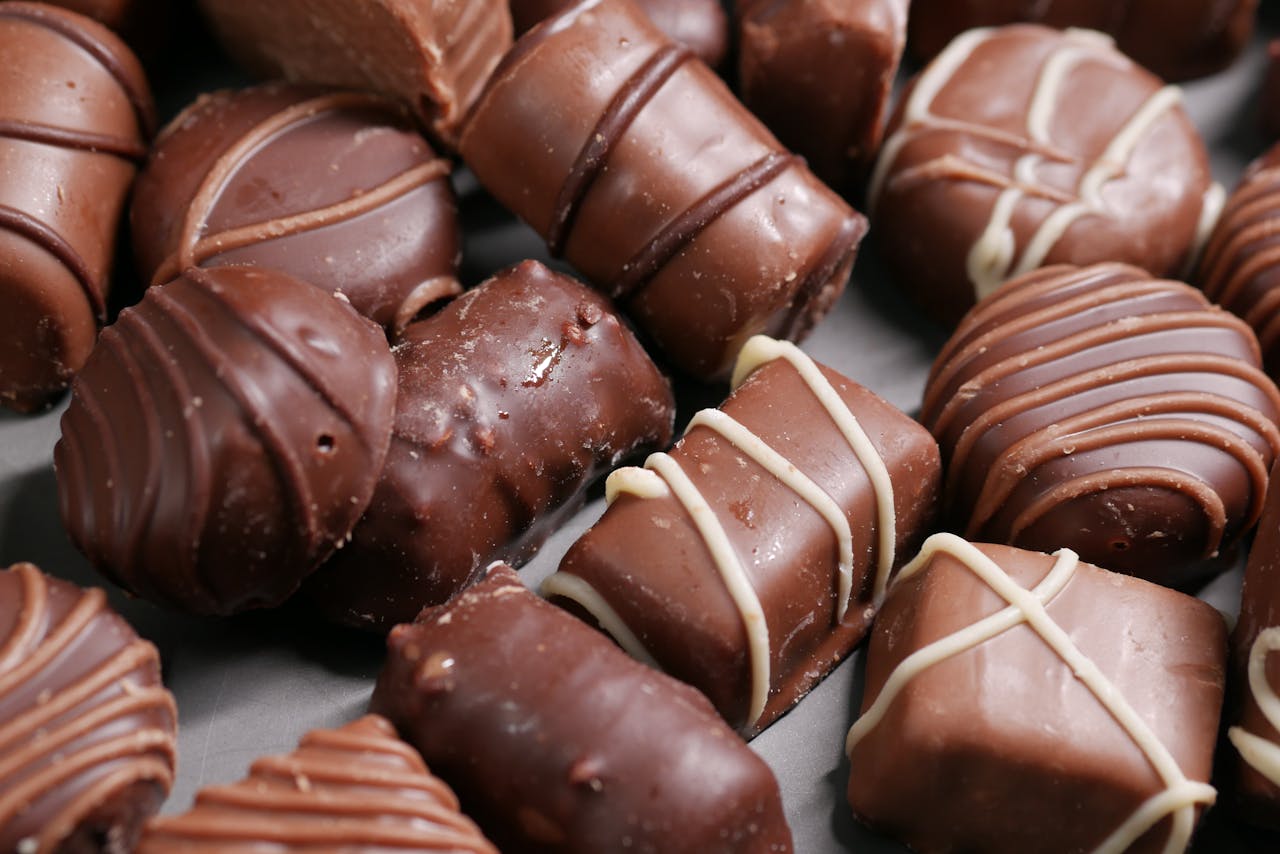
Bonbons are these amazing little bite-sized chocolates that people have been obsessed with for ages. They’re known for that smooth chocolate shell on the outside and whatever surprise filling you’ve got going on inside. Ganache, fruit purée, caramel—whatever you’re into, bonbons deliver. This guide covers everything about bonbons—where they came from, how to make them yourself, plus tips and ideas for creating your own versions.
Why This Recipe? Why You Should Try Making Bonbons
Making bonbons at home means you get to have gourmet chocolates whenever you want, plus you can experiment with whatever flavors sound good to you. They look fancy, sure, but the actual process? Not as complicated as you’d think. This guide breaks it down step by step.
Key Benefits of Bonbons:
Simple Yet Elegant: These things look impressive, but they’re actually pretty doable. Get a few ingredients together, follow the techniques, and you’ll be turning out bonbons that look professional.
Customizable Fillings: Classic chocolate ganache? Great. Fruity purées? Sure. Feeling adventurous with salted caramel or something wild? Go for it. Bonbons are super versatile—make them however you want.
Great for Special Occasions: Want to elevate a gathering? Bonbons do that. They work for holidays, parties, or even as homemade gifts that actually impress people.
Who Will Love This Recipe?
Baking Enthusiasts: If you’re into baking, bonbons give you a chance to level up your chocolate-making skills and play around with different flavors.
Busy Parents: These can be made ahead of time, so they’re perfect if you want to wow people without scrambling at the last minute.
Chocolate Lovers: Love good chocolate? Making bonbons at home means you get to enjoy gourmet sweets without paying gourmet prices.
Ingredients for Bonbons: What You Need and How to Substitute
Quality ingredients make all the difference with bonbons. Use good chocolate and fresh fillings, and you’ll end up with something that tastes just as good as it looks. Here’s what you need.
Essential Ingredients:
- Dark chocolate (300g for tempering and coating)
- Heavy cream (100 ml for ganache fillings)
- Butter (2 tablespoons, unsalted)
- Sugar (50g, powdered or granulated for fillings)
- Flavorings (vanilla extract, fruit purées, or liqueurs for added flavor)
- Optional toppings (chopped nuts, coconut flakes, sea salt—whatever you’re into)
Substitution Options:
Dairy-Free Version: Use coconut cream instead of heavy cream and grab dairy-free chocolate. You’ve got vegan bonbons.
Sugar-Free Version: Replace sugar with stevia or erythritol if you want something lower in calories.
Nut-Free Option: Skip anything nut-based and go with fruit purées or caramel instead. Works just as well.
Step-by-Step Instructions for Crafting Perfect Bonbons
Making bonbons at home might sound intimidating, but once you break it down, it’s actually pretty manageable. Follow these steps and you’ll be making bonbons with that smooth, shiny finish and a great filling inside.
1. Prepare the Filling
Start with whatever filling you’re going for—ganache is a solid choice. Heat your cream until it’s just starting to simmer, then pour it over chopped chocolate. Stir it until everything melts together and gets smooth. Throw in your butter and any flavorings you want, then put the whole thing in the fridge. You need it firm enough to actually pipe into those chocolate shells.
2.Temper the Chocolate
This is the part that makes your chocolate look professional instead of streaky and dull. Grab two-thirds of your chocolate and melt it in a double boiler. Keep going until it hits 45°C (113°F)—use a thermometer here, don’t just guess. Pull it off the heat and stir in whatever chocolate’s left. This brings the temp down to around 30°C (86°F). Did it cool too much? No worries, just reheat it a tiny bit. You want it right in that sweet spot.
3. Mold the Chocolate Shells
Grab a silicone bonbon mold—works best. Spoon some tempered chocolate into each cavity, making sure you coat the sides completely. Give the mold a few taps on the counter to knock out air bubbles, then let the chocolate set up.
4. Fill the Bonbons
Once your shells are solid, pipe or spoon your filling into each one. Leave a little space at the top though—you need room to seal them with more chocolate. Don’t overfill or you’ll have a mess on your hands.
5. Seal the Bonbons
Cover that filling with more tempered chocolate to close everything up. Tap the mold gently again to smooth out the top. Let them set completely before you try to pop them out of the mold.
6. Enjoy or Store
Once they’re fully set, carefully remove them from the mold. Keep them in an airtight container at room temperature—they’ll last up to two weeks. Need them to last longer? Stick them in the fridge.
Bonbon Variations: Explore Different Flavors and Styles
Part of what makes bonbons fun to make at home is you can try whatever flavors sound good to you. Here are some directions you could take them.
Popular Bonbon Flavors:
- Chocolate Ganache: Rich, creamy, made with chocolate and cream. Can’t really go wrong with this one.
- Salted Caramel: That sweet-salty thing just works. Always a crowd favorite.
- Fruit Purées: Raspberry, mango, passion fruit—any of these bring a tart kick that cuts through the chocolate nicely.
- Liqueur Fillings: Feeling fancy? Baileys, Grand Marnier, or Kahlúa add a sophisticated twist that’s perfect for adults.
Dietary Modifications:
- Gluten-Free Bonbons: Good news—bonbons are naturally gluten-free, so if that’s a concern, you’re already covered.
- Vegan Bonbons: Use dairy-free chocolate and coconut cream instead of regular cream. You won’t lose any flavor or texture swapping those out.
What Are the Best Ways to Serve Bonbons?
Bonbons deserve to be shown off a bit. How you present them makes a difference, whether you’re serving them at a party or giving them as a gift.
Serving Suggestions:
- Pairing Ideas: Set them out with espresso or a glass of sweet dessert wine. The richness of the chocolate pairs really nicely with both.
- Elegant Presentation: Put them on a nice platter or drop them in mini paper cups so they don’t stick to each other. Makes everything look cleaner and more intentional.
Nutritional Information: Calories and Health Benefits
Bonbons are definitely an indulgence, but you can work them into a balanced diet. Here’s roughly what you’re looking at per bonbon.
| Nutrient | Amount |
|---|---|
| Calories | 80 |
| Carbohydrates | 9g |
| Protein | 1g |
| Fats | 4g |
| Sugars | 7g |
The History and Cultural Significance of Bonbons
Bonbons go back a long way—we’re talking 17th-century France. The word “bonbon” comes from “bon,” which means “good” in French. Pretty fitting name when you think about it.
Cultural Variations:
- European Traditions: Over in Europe, bonbons often have liqueur fillings and show up during holidays and special occasions. They’re kind of a big deal.
- American Bonbons: In the States, you’ll find them filled with fruit or peanut butter instead—matches what people like here. They’re huge during the holidays too.
Ingredient Spotlight: The Importance of Quality Chocolate
Want great bonbons? Use great chocolate. Simple as that. Go for something with at least 70% cocoa content. You’ll get deeper flavor and that professional-looking shine you’re after.
Sourcing Ingredients:
- Premium Chocolate: Look for couverture chocolate—it’s got more cocoa butter, which makes tempering easier and gives you a smoother finish.
- Organic and Fair-Trade Options: If you can, grab organic or fair-trade chocolate. You’re supporting better farming practices and making sure the ingredients were sourced ethically.
Storage and Reheating Tips
Want your homemade bonbons to stay good? Store them right. Mess this up and your chocolate loses that nice shine and texture.
Storing Bonbons:
- Room Temperature: Keep them in an airtight container at room temperature—they’ll last up to two weeks.
- Refrigeration: Live somewhere hot? Put them in the fridge. Just bring them back to room temperature before you serve them or they won’t taste right.
Freezing Bonbons:
- Freezing: Need to keep them longer? Bonbons freeze well for up to three months. Wrap them tight in plastic wrap so they don’t get freezer burn. When you’re ready to eat them, let them thaw in the fridge overnight.
Frequently Asked Questions (FAQs)
1. What’s the difference between bonbons and truffles?
Bonbons have that hard chocolate shell on the outside with something soft inside. Truffles are softer all around and usually get rolled in cocoa powder, chopped nuts, or more chocolate.
2. Can I use milk chocolate instead of dark chocolate?
Sure, you can. Just know that milk chocolate is sweeter and doesn’t have as much cocoa, so your bonbons will taste different—less intense, more candy-like.
3. How do I prevent the chocolate from cracking?
Make sure your filling is room temperature before you seal everything up. Cold filling plus warm chocolate equals cracks. Also, proper tempering matters—skip that and you’re asking for trouble.
Conclusion: What Are Bonbons? Try Them for Yourself!
Bonbons are a really satisfying way to mess around with homemade chocolate. You can try all kinds of flavors and fillings until you land on something you love. This guide gives you everything you need to make them in your own kitchen—no fancy equipment required.
Gift them, serve them at parties, or just keep them all for yourself. Nobody’s judging. With a bit of practice, you’ll be turning out bonbons that look like they came from some expensive chocolate shop.
Share what you make with us on social media using #EricRecipes!
Happy bonbon-making!