

What is in Bobba? A Guide to Bubble Tea Ingredients
Boba tea—or bobba, bubble tea, whatever you call it—is basically a global phenomenon at this point. Millions of people are hooked on it. That combo of chewy tapioca pearls and cold tea? Just hits different. But what actually makes bobba so popular, and why are people so obsessed with it? Part of it’s the versatility. You can customize it however you want. But if you’re new to this whole bobba thing, you’re probably wondering what’s actually in it or how to make it yourself without screwing it up.
This drink started in Taiwan back in the 1980s, but it’s everywhere now. And as it spread around the world, the recipe changed and evolved. These days you can find a million different versions—different flavors, ingredients, ways of making it. Because there’s so much variety, it can get confusing trying to figure out what actually goes into this drink. This guide’s gonna break down the essential ingredients, walk you through making bobba tea at home, and give you tips for customizing it so it’s exactly how you like it.
What Exactly is Bobba?
Before we get into what’s actually in this thing, let’s talk about what bobba even is. For most people, bobba tea means those trendy shops with weird flavor combinations and Instagram-worthy drinks. But strip away all the hype and it really comes down to two main things: the tea base and those tapioca pearls everyone calls boba. Those chewy pearls are what give the drink that signature texture you either love or find completely bizarre. The tea part? That’s your refreshing, flavorful base holding everything together.
You can get bobba served a bunch of different ways. Milk tea version. Fruit tea version. Add sweeteners, regular milk, plant-based milk—whatever sounds good. This drink didn’t just stay popular in Asia where it started. It blew up in Europe, North America, basically everywhere. That’s why people see bobba tea as this cultural crossover thing that morphs to fit whatever tastes people have wherever it lands. Want to know more about where this all came from? Check out this article on the meaning of bobba tea.
Whether you’ve been drinking this stuff for years or you’re just now getting curious about it, understanding what actually goes into bobba tea makes you appreciate it more. So let’s break down what’s really in a bobba tea and how you can make your own version at home without needing a fancy tea shop.
What is in a Bobba? The Essential Ingredients
Okay, now that we’ve covered the basics, let’s actually dig into what goes into making a good bobba tea. These ingredients all work together to create that taste and texture combo that’s got people addicted.
1. Tapioca Pearls (Boba)
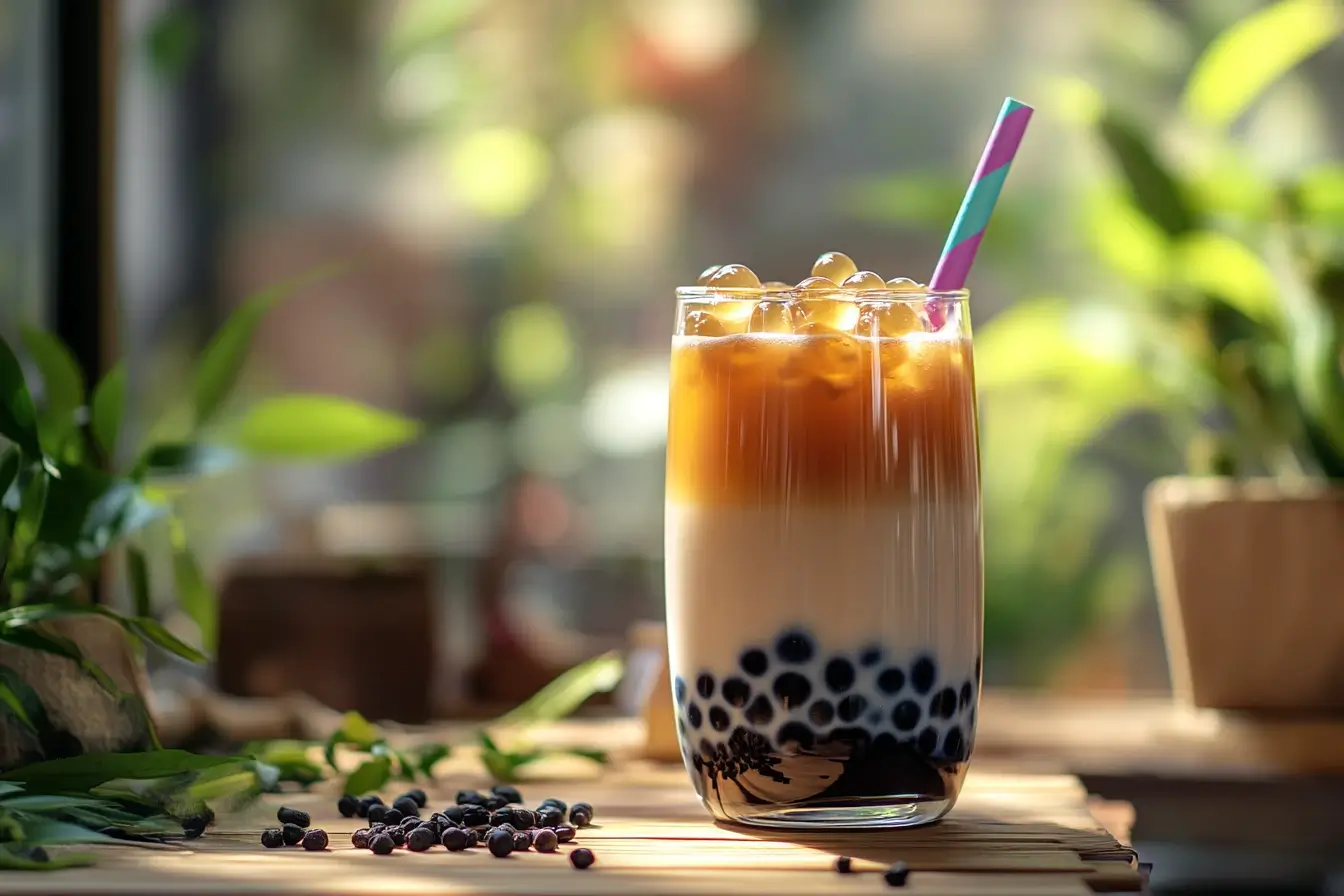
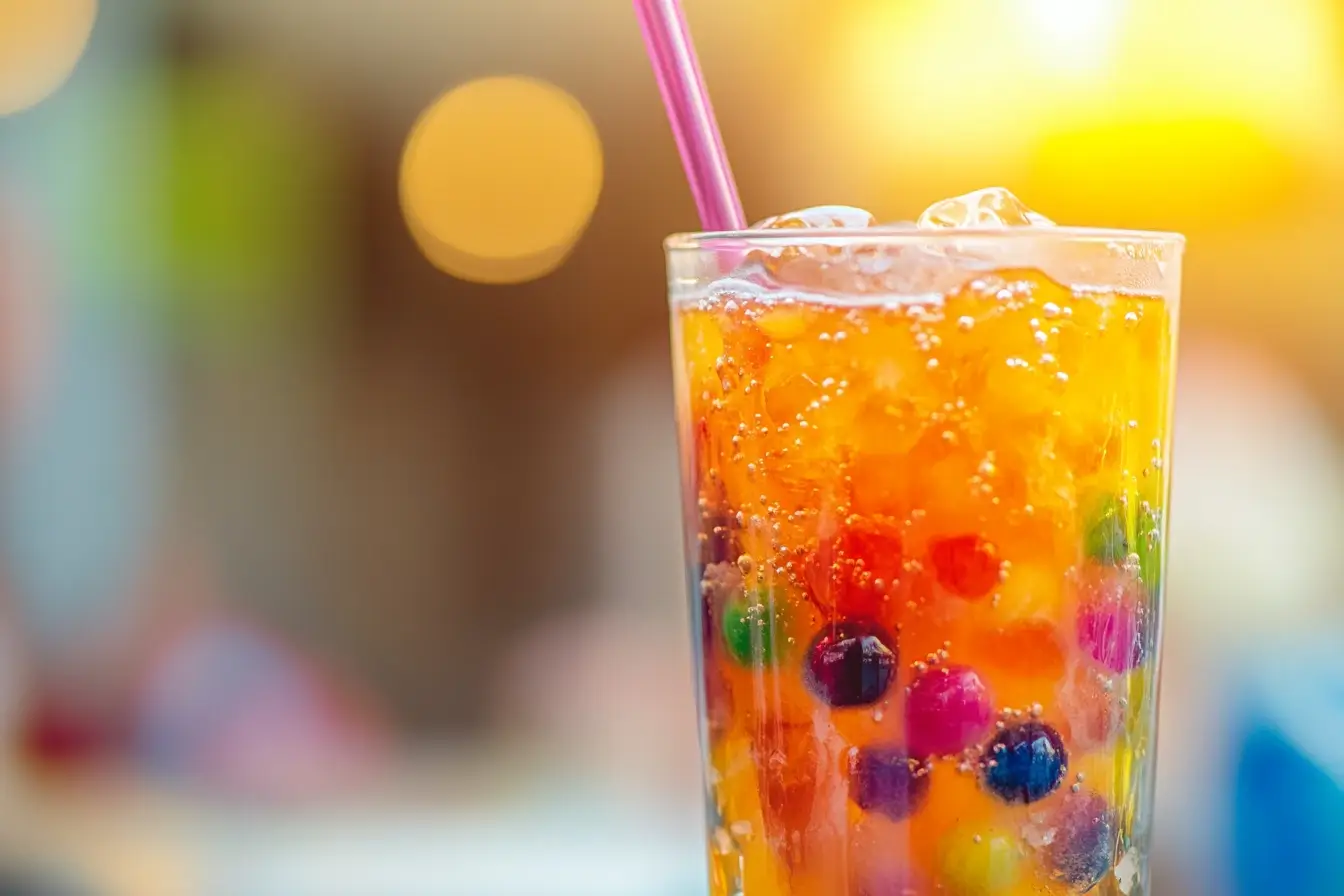
Every bobba drink starts with those chewy tapioca pearls—boba, whatever you want to call them. If you don’t already know, tapioca pearls are made from cassava starch, which comes from the cassava root. That’s what gives them that chewy texture, and it also means they’re naturally gluten-free. Most people picture black pearls when they think of boba, but you can find them in all kinds of colors and flavors now. Some are pastel-colored with fruit flavoring mixed in.
When you cook tapioca pearls, they turn soft and chewy. That texture contrast against the liquid tea? That’s literally half the appeal. It’s not just drinking something—you’re actively chewing the boba while drinking the tea at the same time. That interactive element is a huge part of why bobba tea caught on.
How to Make Them: To make tapioca pearls, you take tapioca starch, mix it with water until you’ve got dough, then roll that dough into little balls. Boil them for 15-20 minutes and they get that chewy texture everyone’s after. That black color you see in traditional bobba? That comes from adding caramel or brown sugar to the dough.
Cooking the Pearls: Want to cook tapioca pearls at home? Boil them in water for about 15-20 minutes. After they’re cooked, dump them in syrup or some kind of sweetener so they keep their texture and actually taste like something. Some people just use simple syrup. Others go with flavored stuff like honey or brown sugar to make them more interesting.
2. Tea Base
The tea base is what gives your bobba its main flavor—it’s the foundation everything else builds on. You’ve got options here depending on what you’re into. And if you want something caffeine-free with health benefits, herbal and fruit teas are pretty popular alternatives that add a refreshing twist.
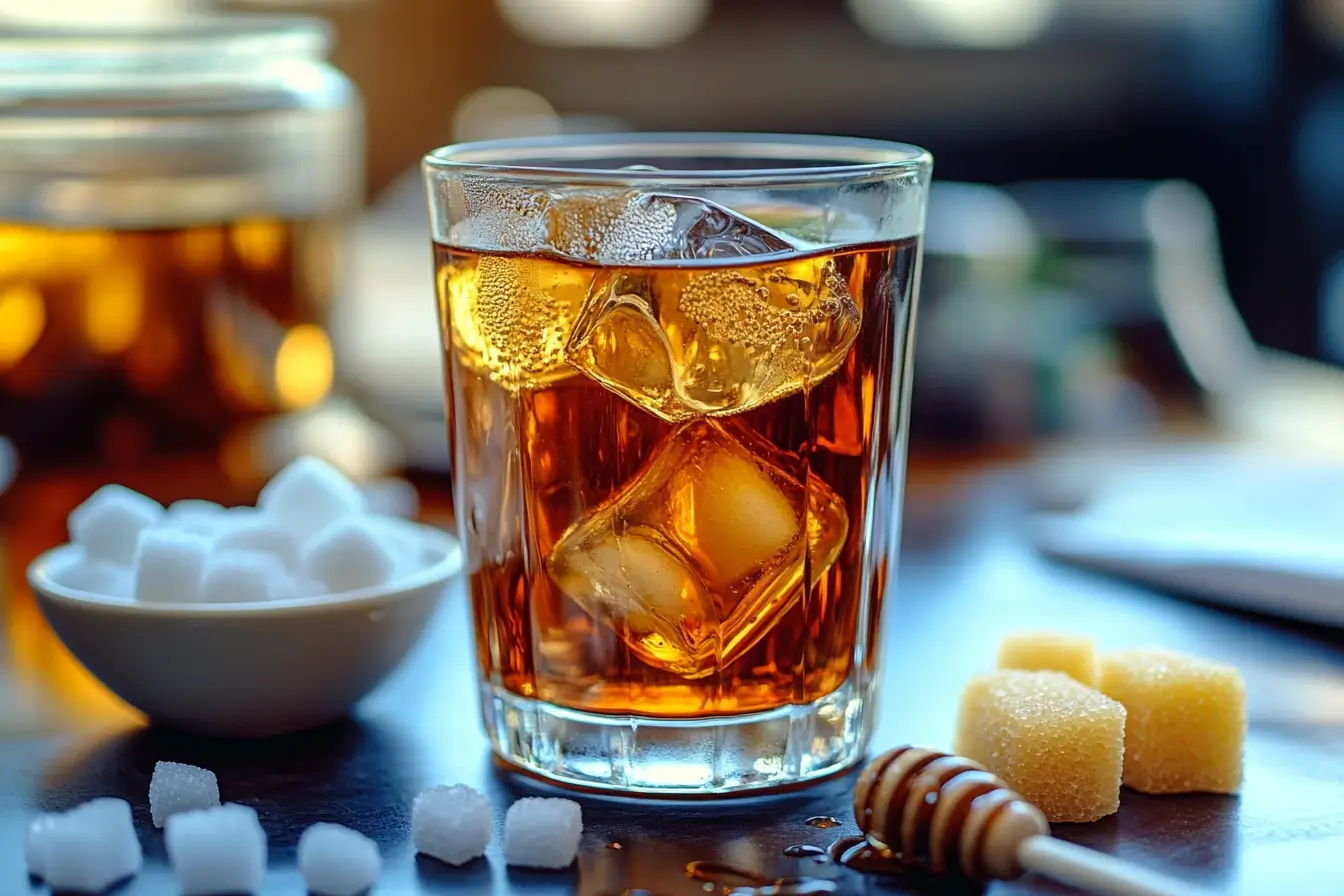
- Black Tea: Black tea’s what they use for traditional bobba milk tea. It’s got this strong, robust flavor that holds up well when you add milk and sweeteners. Plus, black tea’s loaded with antioxidants and caffeine, so it’ll wake you up a bit.
- Green Tea: Want something lighter? Green tea’s your go-to. That delicate, kinda grassy taste works really well with fruity flavors or if you’re using milk alternatives instead of regular milk. Bonus: green tea’s supposed to boost your metabolism, so there’s that health angle too.
- Herbal and Fruit Teas: Need to avoid caffeine? Herbal or fruit teas make a solid base. You’ve got tons of flavors to pick from—jasmine, hibiscus, peach, whatever sounds good. These give you that refreshing vibe without any caffeine. Plus, herbal teas often help with calming you down or digestion, which makes them perfect if you’re drinking bobba tea in the evening.
After you brew whatever tea you’re using, make sure to chill it before you start putting your drink together. Cold tea keeps the whole thing refreshing, which is exactly what you want whether it’s hot outside or you just need something to get you through the afternoon.
3. Milk or Milk Alternatives
What makes bobba tea creamy is the milk (or milk alternative) you add to the tea. This part’s actually pretty important, so you want to pick the type that fits what you like and what your body can handle.
- Whole Milk: This is the classic option. Whole milk gives you that rich, creamy texture that balances out the strong tea flavors really well.
- Non-Dairy Alternatives: Can’t do dairy or you’re vegan? No problem. Almond milk, oat milk, soy milk, coconut milk—all of these work great. Each one brings something different to the table flavor-wise and texture-wise. Coconut milk gives you this tropical thing going on. Oat milk makes it thick and smooth. Just depends on what you’re going for.
Play around with different milks and see what works for you. You can totally control how creamy your bobba tea ends up being. And honestly, some of these alternatives have their own health benefits too. Almond milk’s got vitamin E. Oat milk brings extra fiber. So you’re not just swapping for dietary reasons—you might actually be adding something good.
4. Sweeteners
Look, when people ask what is in a bobba, they usually forget about the sweetener part. But here’s the thing – it actually matters a lot. Without something sweet in there, you’re basically just drinking tea with some chewy balls in it, which… okay, that sounds weirder than I meant it to.
Sweeteners aren’t just about making your drink taste like dessert. They balance everything out. Too much tea bitterness? Sweetener fixes it. Milk feels too heavy? A little sugar lightens it up. The whole drink just works better when you get the sweetness right.
Most boba places let you pick how sweet you want it, which is pretty nice. You can go anywhere from zero sugar (for the brave souls out there) to basically candy levels of sweet.
Here’s what they usually have:
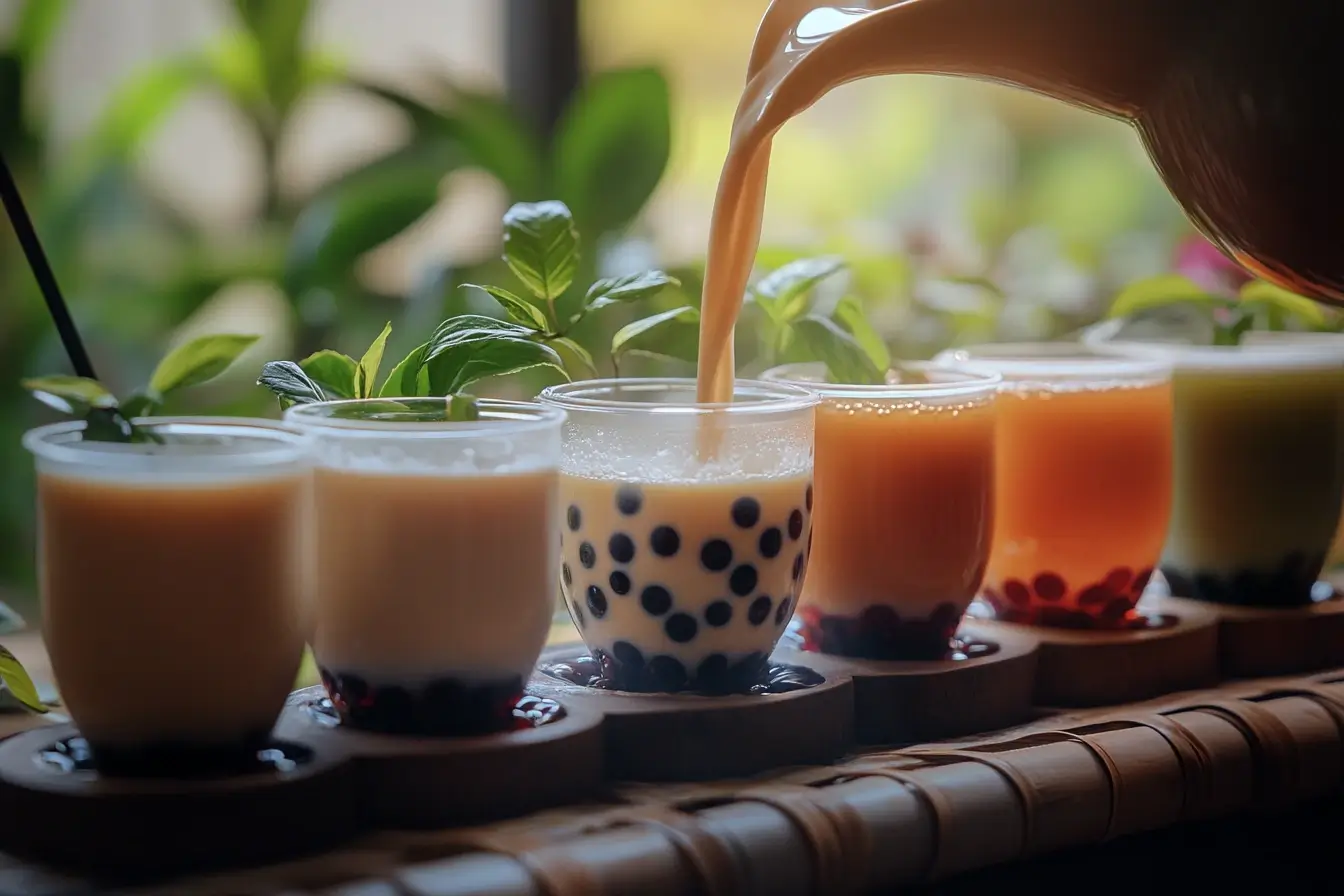
Simple Syrup – This is your standard option. Sugar mixed with water until it dissolves. Nothing exciting, but it does the job and mixes in clean. No weird aftertaste, no chunks settling at the bottom.
Honey works if you want something that’s not just sweet for the sake of being sweet. It’s got its own flavor going on – kind of floral, kind of earthy. Really good with fruit teas or green tea. My personal take? It makes the drink feel a little fancier without trying too hard.
Brown Sugar is everywhere right now, and I get why. The flavor’s completely different from white sugar – richer, almost like caramel but not exactly. Some shops cook the boba pearls in it, and those end up being the best part of the drink. No joke.
Sugar-Free Stuff like stevia or monk fruit is an option if you’re counting calories or whatever. Does it taste exactly the same? Not really. Is it close enough that you can still enjoy your boba? Yeah, pretty much.
The main takeaway here is don’t be afraid to mess around with it. Ask for less sweet if the regular is too much, or go wild and get extra if that’s your thing. There’s no wrong answer.
5. Ice
Okay, ice seems almost too obvious to mention when talking about what is in a bobba, right? But hear me out – it’s actually kind of important.
Think about it. You’re drinking this thing through a wide straw, probably taking your time because you’re also chewing tapioca pearls. If there’s no ice in there, your drink gets warm and sad pretty quick. Especially in summer. Nobody wants lukewarm milk tea.
The amount of ice is totally up to you, though. Some people want their cup packed with ice because they like it super cold. Others barely want any because they don’t want it watering down their drink as it melts. Most shops will adjust it if you ask – just say “light ice” or “extra ice” and they’ll hook you up.
Personally? I go somewhere in the middle. Enough to keep it cold for the first 15 minutes or so, but not so much that I’m basically drinking flavored ice water by the end.
How to Make Bobba Tea at Home: Step-by-Step Recipe
Alright, so now you know what is in a bobba – tea, milk, tapioca pearls, sweetener, maybe some fruit or flavoring, and ice. Cool. But here’s where it gets fun: making it yourself at home.
I’m not gonna lie to you and say it’s complicated, because it’s really not. The hardest part is honestly just cooking the boba pearls right so they’re not too hard or too mushy. Once you get that down, you’re basically a boba expert.
The best part about making it at home? You get to control everything. Want it less sweet? Done. Prefer oat milk instead of regular milk? Go for it. Want to throw in some mango chunks because why not? Nobody’s stopping you.
Here’s a super simple recipe to get you started. Once you make it a few times, you’ll figure out what you like and can start tweaking it however you want.
Ingredients:
- ½ cup tapioca pearls (the boba part – don’t skip this obviously)
- 2-3 tea bags (black tea is classic, but green tea or fruit tea work great too)
- 1 cup milk (or whatever milk alternative you’re into – almond, oat, soy, coconut, whatever)
- 2 tablespoons sugar, honey, or your sweetener of choice
- 4 cups water (for cooking the pearls and brewing the tea)
- 1 cup ice (maybe more if you really like it cold)
Step-by-Step Instructions:
1. Cook the Tapioca Pearls
Okay, this is the part you can’t mess up. Get a large pot and bring about 4 cups of water to a full boil – like actually boiling, not just hot.
Dump in your ½ cup of tapioca pearls. Give them a good stir right away because they love to stick to the bottom of the pot when you’re not looking. Keep stirring every minute or so.
Let them cook for about 15-20 minutes. You’ll know they’re done when they’re soft and chewy – not hard in the middle, but not falling apart either. If you’re not sure, just try one. It should be bouncy and fun to chew.
Once they’re ready, drain the water out and put the pearls in a bowl. While they’re still warm, toss them with about a tablespoon of sugar or honey. This does two things: makes them taste better and keeps them from turning into one giant pearl clump. Trust me on this.
2. Brew the Tea
While your boba pearls are doing their thing, get 2 cups of water boiling in another pot or kettle.
Toss in 2-3 tea bags – whatever flavor you’re feeling. Black tea is the traditional choice, but honestly, do what makes you happy.
Let it steep for about 5-7 minutes. If you want a stronger tea flavor, go for the full 7 minutes. Want it lighter? Pull the bags out at 5. You’re the boss here.
Take out the tea bags and let the tea cool down. I know waiting sucks, but if you pour hot tea over ice, you’ll just end up with watery sadness. Pro tip: stick the tea in the fridge for like 15-20 minutes to speed things up. Or just make it ahead of time if you’re thinking that far ahead (I usually don’t).
3. Put It All Together
Grab a tall glass – you need room for everything. Start by spooning about ¼ cup of your cooked tapioca pearls into the bottom.
Fill the glass up with ice. Don’t be shy about it. You want this thing cold.
Pour your cooled tea over the ice, but leave a couple inches at the top. You still need room for the milk.
Add somewhere between ¼ and ½ cup of milk, depending on how creamy you want it. I usually eyeball it until the color looks right – that nice tan/beige situation.
Give it a gentle stir to mix everything together, grab a wide boba straw (regular straws won’t work – the pearls won’t fit through), and you’re done.
The cool thing about making boba at home is there’s no right or wrong way to do it. Hate milk tea? Make it with just tea and fruit juice. Want it sweeter? Add more sugar. Want to try matcha instead of black tea? Go nuts. Once you get the basic technique down, you can mess around with it however you want.
Variations of Bobba Tea
So now you know what is in a bobba – the basics, at least. But here’s where it gets really fun: once you’ve made the standard version a few times, you can start messing around with it.
The whole point of boba tea is that it’s super flexible. You’re not stuck making the same drink every time. Different teas, different milks, different flavors – you can basically turn it into whatever you’re craving. Some people get really into it and come up with wild combinations. Others stick to a few favorites. Both approaches are totally valid.
Here are some popular variations to try when you’re ready to branch out:
1. Matcha Boba Tea
Matcha is having a moment right now, and for good reason. It’s basically fancy green tea powder – really vibrant green, kind of earthy tasting, and supposedly packed with antioxidants (if you care about that stuff).
Making matcha boba is a little different than regular boba because you’re working with powder instead of tea bags. Here’s what you do:
Take 1-2 teaspoons of matcha powder and put it in a small bowl. Add a tiny bit of hot water – just enough to make a paste. Now whisk it like your life depends on it until it’s smooth with no clumps. This part’s actually important because nobody wants chunky matcha.
From there, you’ve got options. You can mix it into some brewed green tea if you want a lighter version, or just stir it straight into milk for a super creamy matcha latte situation. Add your cooked boba pearls, some ice, and you’re good to go.
Fair warning: matcha has a pretty distinct flavor. Some people love it immediately, others need to acquire the taste. But it’s definitely worth trying at least once.
2. Fruit Boba Tea
Want something completely different? Ditch the tea entirely and go with fruit juice instead.
This is perfect if you’re not really a tea person, or if you just want something light and refreshing without any caffeine. Mango, lychee, and passionfruit are the big ones you’ll see at boba shops, but honestly? Any fruit juice that sounds good to you will probably work.
Making it is stupid simple. Just swap the brewed tea for your juice of choice, throw in your cooked boba pearls, add ice, and you’re done. No milk needed unless you want to get weird with it (which, hey, I’m not judging).
This version is especially great in summer when you want something cold and fruity.
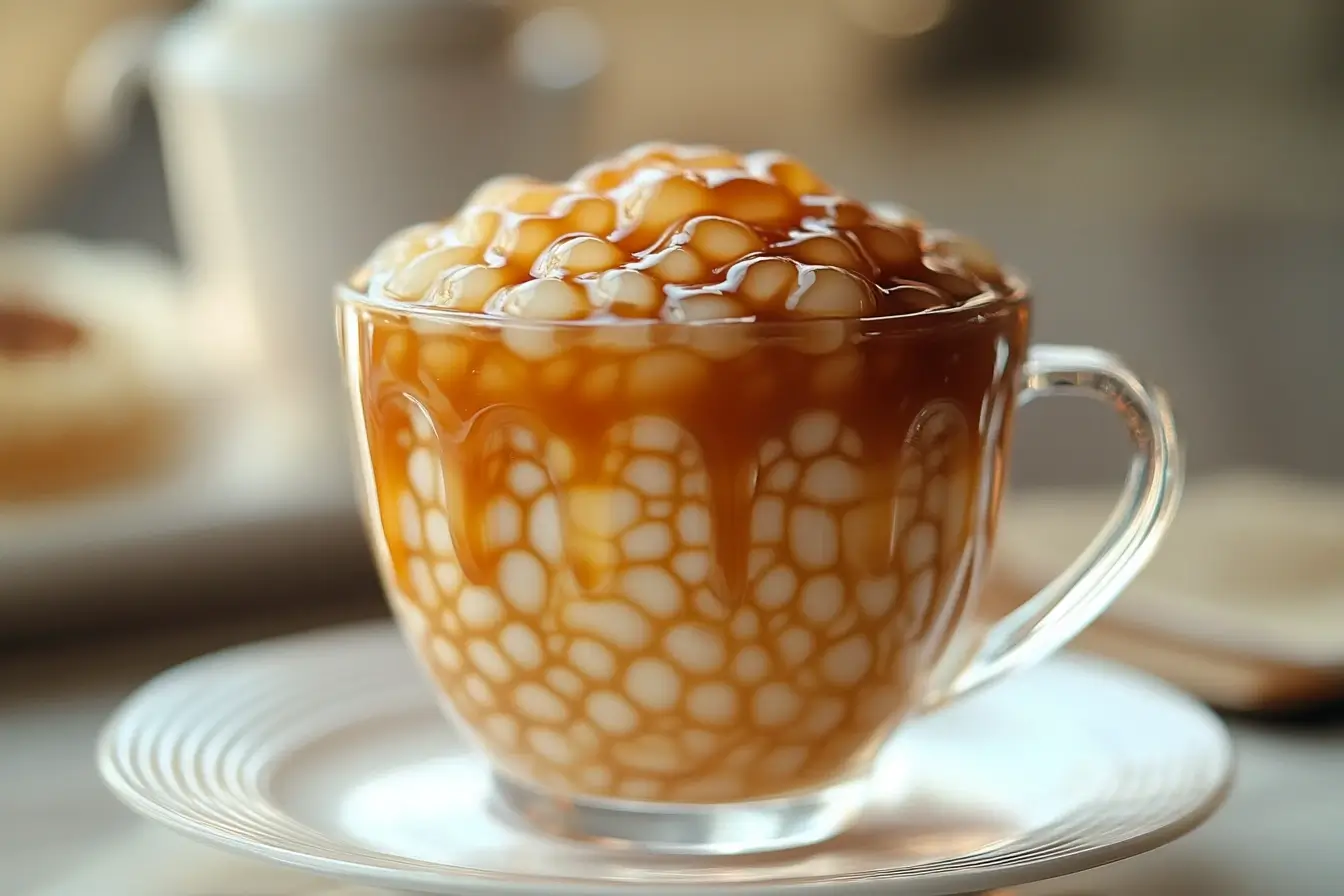
3. Brown Sugar Boba Milk Tea
Brown sugar boba. This one’s different.
You know those videos that went viral a couple years ago? The ones where they’re tilting the glass and the brown sugar is doing that whole swirly thing in the milk? Yeah, that’s this drink. And it’s not just for show – it actually tastes amazing.
Here’s what makes it special. The pearls get cooked normal, same as always. But after that, instead of just giving them a quick sugar toss, you actually simmer them in brown sugar syrup. Not regular sugar – brown sugar specifically. Makes a huge difference.
You can make the syrup yourself if you want. Just heat some brown sugar with a splash of water until it gets all thick and sticky. Or grab a bottle from an Asian grocery store. I won’t tell anyone.
Let the pearls sit in that syrup for a bit. They’ll soak it up and turn this darker color. The flavor gets really intense – kind of like caramel but not exactly. Hard to describe. Just richer than normal sugar, you know?
And this is the weird part. No tea in this drink at all. None. Just the brown sugar pearls sitting in the bottom of your glass, then you pour cold milk over them. That’s the whole drink.
The milk mixing with the brown sugar creates that Instagram-worthy swirl thing, but beyond looking cool, it genuinely tastes good. Like you’re drinking a melted caramel milkshake or something. Very dessert-y.
Fair warning though – sweet. Really sweet. My friend made it once and couldn’t finish it because it was too much. So if you’re not big on sugar, maybe tone it down or just stick with regular milk tea. But for a treat? It’s pretty solid.
4. Chai Boba Tea
Okay so chai boba is a thing and not nearly enough people know about it.
You know regular chai tea? The spicy one that kinda smells like Christmas? Cinnamon, cardamom, ginger, all that stuff. Now imagine that but with boba pearls in it. That’s basically what this is.
Making it isn’t complicated. Just use chai tea instead of black tea. They sell chai tea bags everywhere now – Target, Walmart, wherever. Brew it, let it cool (don’t skip this part or you’ll melt all your ice), then do the normal boba thing with milk and pearls.
The taste is different though. Regular milk tea is pretty simple – tea plus milk plus sweet. This has more personality. The spices give it depth or whatever you want to call it. Little bit of warmth from the ginger. That cinnamon comfort vibe.
My roommate makes this in winter all the time because she says it feels cozier than regular boba. Which… yeah, I get it. There’s something about those warm spices that just works when it’s cold outside. Makes you feel like you’re bundled up in a blanket even though you’re drinking something cold. Weird but true.
You can drink it hot too if that’s your thing. Most boba places serve everything iced, but chai specifically works pretty good warm. Just a thought.
Some people get fancy with it and add extra cinnamon or use honey instead of sugar. The honey actually pairs really nice with the spices. Worth experimenting.
One thing though – if you hate chai, you’ll hate this. The boba pearls aren’t gonna magically make you like chai flavor. But if you’re already into chai lattes? This is basically that with a fun texture upgrade.
5. Coffee Boba Tea
Coffee boba is where two good things collide.
Think about it. You like coffee. You like boba. Why not just… put them together? That’s literally the whole concept here and it works surprisingly well.
You can use regular brewed coffee if that’s what you have, but honestly espresso hits different for this. Makes it stronger and you don’t need as much liquid. Plus the bitterness of espresso actually goes really well with the sweet pearls. Kind of balances everything out.
Make your coffee however you normally do it. Let it cool down – seriously, don’t pour hot coffee over ice, we’ve been over this. Then just add milk and your cooked boba pearls like you would with tea. Same exact process.
The taste is interesting. It’s like if a latte and bubble tea had a baby. You get that coffee kick but also the fun chewy texture from the pearls. Some people think it’s weird at first but usually they come around after a few sips.
Best part? Caffeine. Regular milk tea has some from the tea, but coffee boba hits way harder. Good for mornings when you need to actually function but also want a treat. My friend drinks these instead of her usual iced latte now and swears they keep her going better.
You can mess with the ratios too. Want it more coffee-forward? Use less milk. Want it creamier? Add more. Some places do like a 60/40 coffee to milk situation but there’s no rules really.
Fair warning – this one’s definitely not for kids or people who can’t handle caffeine. It’s got actual coffee in it, not just a little tea. So maybe don’t drink it at 9pm unless you want to be up all night.
Health Benefits of Bobba Tea Ingredients
Look, let’s be real. Most people aren’t drinking boba because it’s healthy. It’s a treat. But that doesn’t mean everything in it is terrible for you either.
When you know what is in a bobba, you can at least make some smarter choices about how you drink it. Not saying it’s a health food or anything, but there are some decent things happening ingredient-wise.
1. Tapioca Pearls
So tapioca pearls come from cassava root. That probably doesn’t mean much to you, but the important part is they’re gluten-free. If you’ve got celiac or gluten sensitivity issues, boba pearls are safe.
Downside? They’re basically all carbs. And calories. Like, a lot of calories. A serving of boba pearls can have 150-200 calories easy, and that’s before you add the actual drink. So yeah. Don’t go crazy with them if you’re watching your intake.
2. Tea
Here’s where boba actually gets some health cred. Black tea and green tea both have antioxidants, which are supposed to be good for your heart and help you focus. Green tea especially gets hyped up for metabolism boosting and weight management stuff.
Does drinking bubble tea count as getting your antioxidants? I mean… technically yes? But you’re also drinking it with a bunch of sugar and milk so maybe don’t convince yourself it’s a health drink.
Herbal teas have their own thing going on too. Chamomile is supposed to be calming. Peppermint helps with digestion. That sort of thing. So if you’re making boba at home, you could lean into those benefits I guess.
3. Milk and Milk Alternatives
Regular dairy milk gives you calcium and vitamin D. Good for bones, all that stuff your mom told you about. Pretty standard.
Plant milks are where it gets interesting though. Almond milk has vitamin E. Oat milk has fiber. Coconut milk has healthy fats. Each one brings something different to the table.
Does this make your boba healthy? Eh, not really. But if you’re already drinking plant milk for other reasons, at least you’re getting those benefits in your boba too.
4. Natural Sweeteners
Honey’s probably your best bet if you want to make your boba slightly healthier. It’s got antibacterial properties and some anti-inflammatory stuff going on. Not gonna cure anything major, but it’s definitely better than dumping refined white sugar in there.
Plus honey just tastes good. It adds its own flavor instead of just being sweet for the sake of sweet.
Agave and stevia are options too. Agave’s natural, tastes decent, and won’t make your blood sugar spike as badly as regular sugar. Stevia’s basically calorie-free which is cool if that matters to you, though some people think it has a weird aftertaste. You kinda have to try it for yourself.
Will switching to natural sweeteners magically make your boba healthy? Nah. But it cuts down on calories at least, and that’s something. If you’re trying to be somewhat health-conscious but still want to enjoy your drink, using honey or agave instead of regular sugar is an easy swap that actually makes a difference.
Not a huge difference. But a difference.
Frequently Asked Questions (FAQs)
1. What is in a boba pearl?
Boba pearls are just tapioca starch that comes from cassava root. You boil them in water until they get soft and chewy – takes like 15-20 minutes usually. Most people toss them with sugar or syrup after cooking so they don’t stick together and taste better.
That’s basically it. They’re pretty simple ingredient-wise, which is nice if you’re worried about what you’re eating.
2. Can I make boba tea without tea?
Yeah, totally. You can use whatever liquid you want honestly.
Fruit juice works great – mango, lychee, passion fruit, whatever sounds good. Some people make it with smoothies. Others just do straight milk with flavored syrup. There’s no boba police coming to arrest you for skipping the tea.
This is actually perfect for kids or anyone who doesn’t want caffeine. Plus it opens up a ton of flavor options you wouldn’t get with just tea.
3. Is boba tea healthy?
Ehh… depends on how you make it and what you consider “healthy.”
The tea part? Sure, if you’re using green tea or herbal tea, you’re getting antioxidants. The milk adds calcium and protein. So those bits aren’t terrible.
But then there’s the sugar. And the tapioca pearls which are basically pure carbs and calories. A typical boba drink can easily have 300-500 calories and like 50+ grams of sugar. That’s… a lot.
Can it fit into a balanced diet? Yeah, if you’re not drinking it every single day. But calling it healthy is kind of a stretch. It’s more like a dessert you drink through a straw.
If you want to make it healthier, go easy on the sweetener, use unsweetened milk, maybe get less boba pearls. But at that point you’re kind of defeating the purpose of bubble tea.
4. How do I store boba pearls?
Honestly? You really shouldn’t. They’re best fresh, like within an hour or two of cooking them.
But if you absolutely have to save them, put them in a container with some simple syrup and stick them in the fridge. They’ll last maybe 24 hours max. After that they get hard and gross.
When you want to use them again, warm them up in some hot water for a few minutes. Gets them chewy again. Not quite as good as fresh, but better than rock-hard pearls.
Real talk though – just make them fresh each time if you can. Takes 20 minutes and tastes way better.
Conclusion
So there you have it. That’s what is in a boba – tea, milk, those chewy tapioca pearls, some sweetener, maybe some fruit or flavoring. Not as complicated as you might’ve thought, right?
The cool thing about making it at home is you get to control everything. Want it less sweet? Go for it. Prefer oat milk over regular milk? Nobody’s stopping you. Want to try some weird flavor combination that probably shouldn’t work but might be amazing? Do it.
That’s kind of the whole point of boba tea. It’s super customizable. Whether you stick with classic milk tea or start experimenting with matcha, fruit flavors, coffee, whatever – there’s no wrong way to do it. Well, there probably is, but you’ll figure that out pretty quick.
Making boba at home takes a little practice. Your first batch of pearls might come out too hard or too mushy. Your tea-to-milk ratio might be off. That’s fine. You’ll get better at it. And honestly, even mediocre homemade boba is still pretty good when you’re craving it.
Give it a shot. Try the basic recipe first, then start messing around with different flavors and variations. Make it for your friends. See what works. Have fun with it.
And if you completely screw it up? Well, there’s always the boba shop down the street.