


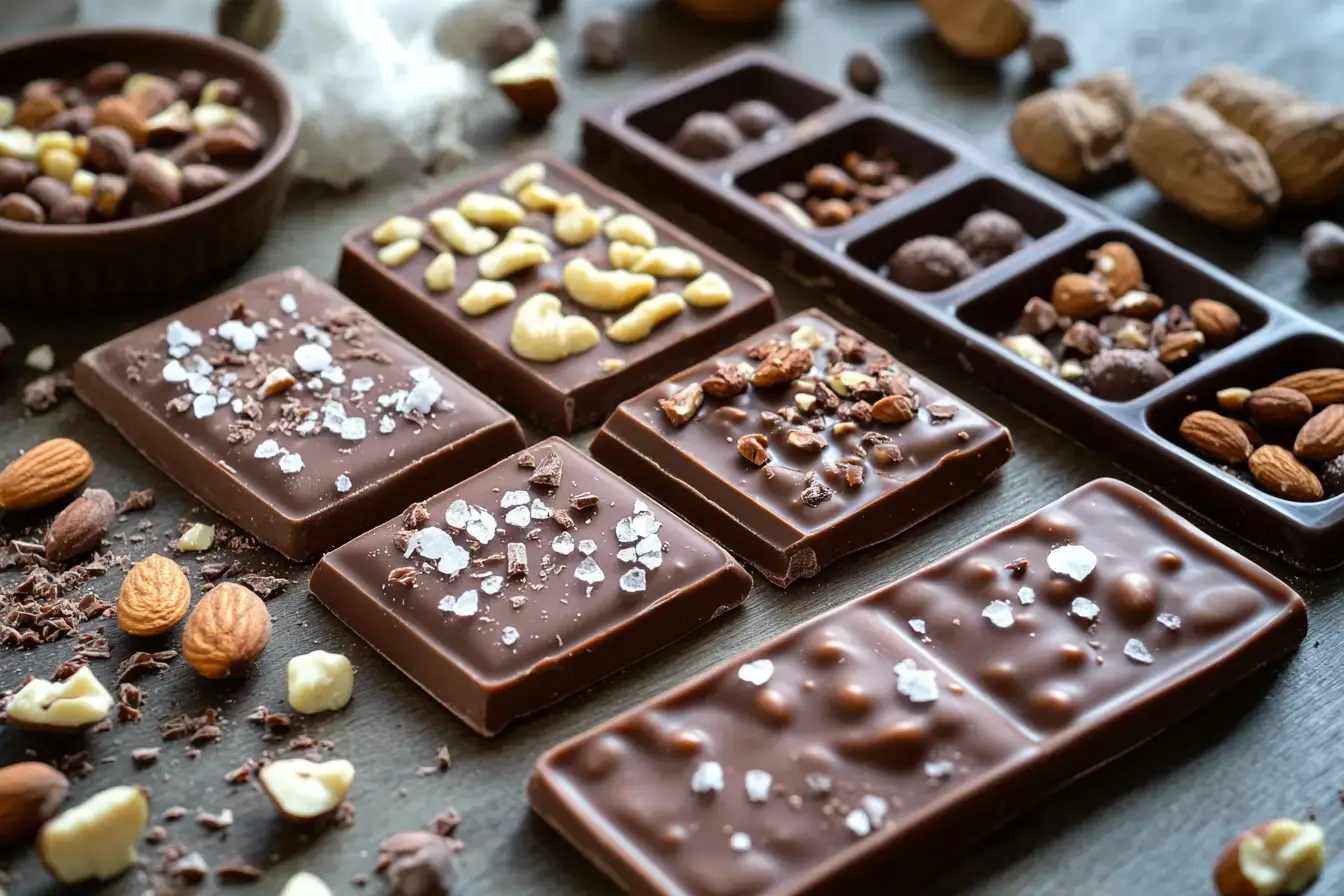
Chocolate’s something people love all over the world, but have you ever stopped to think—what was the 1st chocolate bar? The story behind it is actually pretty fascinating. It completely changed how we eat chocolate today. This article gets into the details of how the first solid chocolate bar came to be and how it reshaped the entire chocolate industry. Curious about where chocolate came from? You’re about to find out. Let’s dig into what that first chocolate bar was and why it still matters to every chocolate bar you eat now.
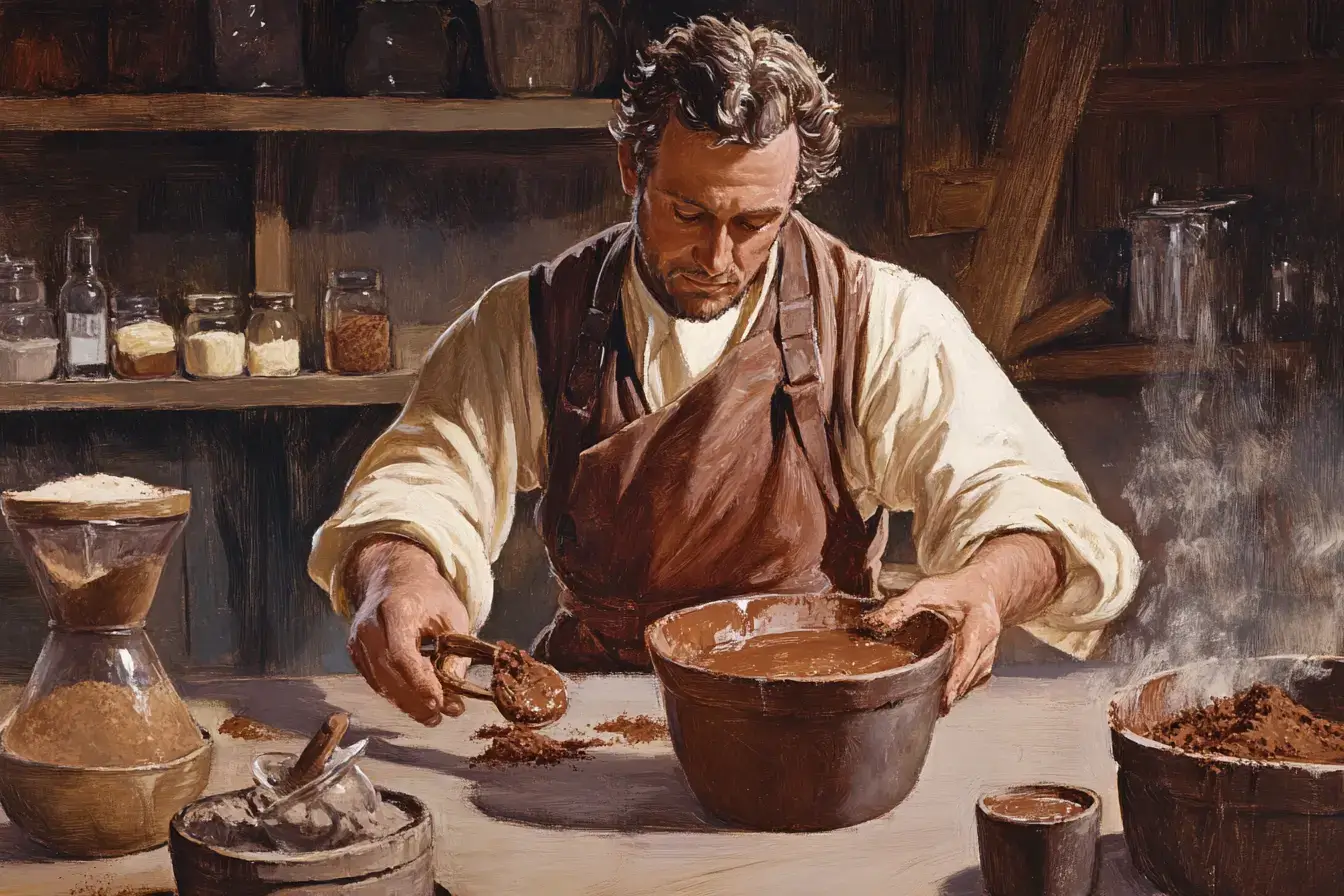
Why This Recipe Is Special: Discovering the First Chocolate Bar
Understanding what the 1st chocolate bar was gives you a look at how chocolate went from being a drink to becoming solid candy. In 1847, British chocolatier Joseph Fry figured it out. He mixed cocoa butter, cocoa powder, and sugar together. That simple combo transformed chocolate from something only rich people could afford into a treat anyone could get their hands on. Fry’s creation changed chocolate history completely. Set the stage for all the different chocolate bars we eat now. This recipe lets you make something similar to that original bar, with a few modern updates thrown in.
Who Can Benefit From This Recipe
This recipe works great if you love chocolate or you’re into history. Want to know what the first chocolate bar was and how to make something like it at home? This is for you. Fun project for anyone who cooks, anyone curious about recreating a piece of history in their own kitchen. Plus, this recipe’s flexible enough that you can adjust it for different diets—vegan, low sugar, whatever you need.
What Ingredients Were Used in the 1st Chocolate Bar?
Want to know what was the first chocolate bar? You’ve gotta look at what went into it. The first chocolate bar only had a few basic ingredients, but those were enough to kick off an entire chocolate revolution.
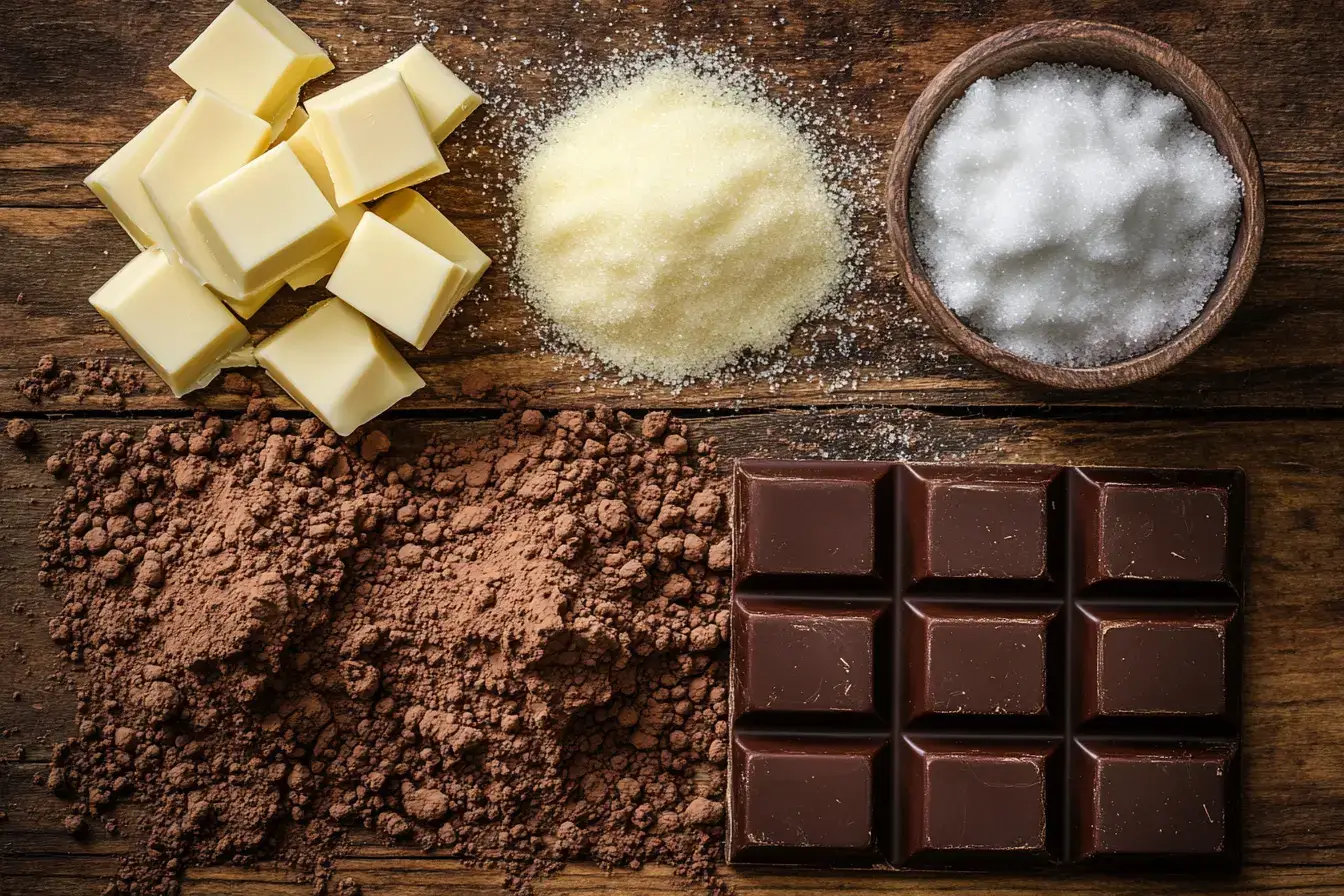
Key Ingredients in the First Chocolate Bar
- Cocoa Butter: Extracted from cacao beans. This is what gives chocolate that smooth texture. Makes it melt on your tongue.
- Cocoa Mass: Sometimes called chocolate liquor. Brings that deep, rich flavor you think of when you think chocolate.
- Sugar: Added to cut the bitterness of cocoa. Made chocolate taste good to way more people.
Modern Substitutes
- Dark Chocolate: Want something healthier? Dark chocolate with high cocoa content works great.
- Coconut Sugar: Prefer natural sweeteners? Coconut sugar’s a solid choice. Has this mild caramel flavor and it’s less processed than white sugar.
How to Make a Simple Chocolate Bar at Home
This recipe’s inspired by what the 1st chocolate bar was. Lets you create something similar in your own kitchen. Only needs a few ingredients, but you end up with this rich, satisfying chocolate bar.
Ingredients
- 1 cup cocoa butter
- 1 cup cocoa powder
- 1/2 cup sugar (adjust to taste)
- 1 teaspoon vanilla extract (optional)
- Pinch of salt
Instructions
- Melt the Cocoa Butter: Put cocoa butter in a double boiler. Melt over low heat. Stir every now and then so it melts evenly.
- Mix the Dry Ingredients: Grab another bowl. Combine cocoa powder, sugar, and salt. Stir until everything’s blended together.
- Combine the Mixtures: Slowly add the dry stuff to the melted cocoa butter. Keep stirring so you don’t get clumps.
- Add Vanilla: Stir in vanilla extract if you want extra flavor. This step’s optional though.
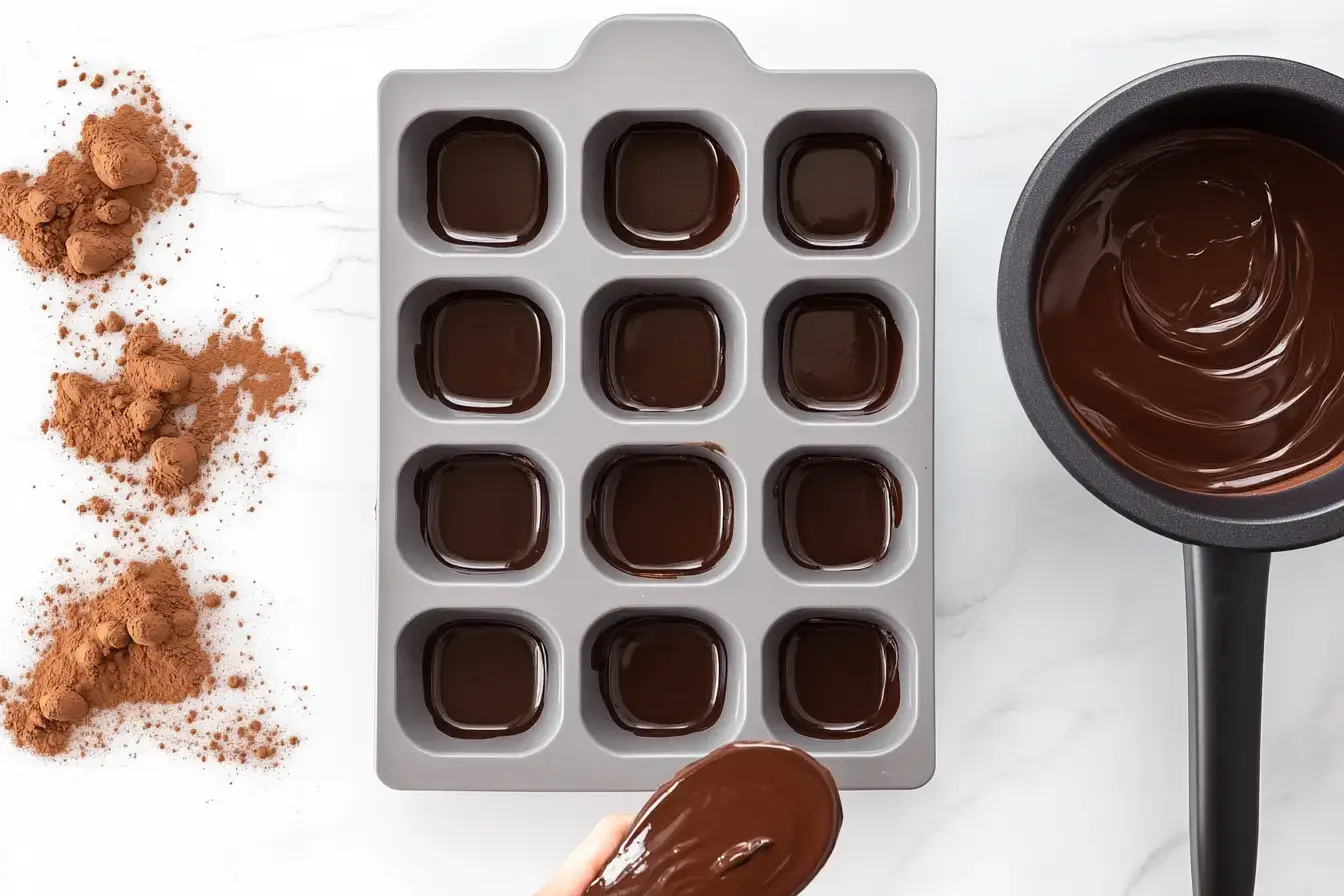
- Mold the Chocolate: Pour the mixture into a mold. Let it cool for 10 minutes. Then stick it in the fridge to set.
- Enjoy: Once it’s firm, your homemade chocolate bar is done. Nice little throwback to what the first chocolate bar was.
Tips and Tricks for Perfect Chocolate Bars
Making chocolate bars at home is straightforward, but these tips help make sure yours comes out smooth, delicious, and close to what the first chocolate bar was like.
Cooking Tips
- Temperature Control: Keep heat low when melting cocoa butter. Burn it and you’ll mess up the whole flavor.
- Fully Dissolve the Sugar: Stir until all the sugar’s completely dissolved. Otherwise you get this gritty texture in the finished chocolate. Nobody wants that.
- Use a Double Boiler: Prevents overheating. Cocoa butter melts evenly without scorching when you use this setup.
Variations of the 1st Chocolate Bar Recipe
The first chocolate bar kept things basic, but modern versions let you get creative. Here’s how to customize your chocolate bar for your taste or whatever diet you’re following.
Recipe Variations
- Add Crunch: Throw in chopped nuts—almonds, hazelnuts, walnuts. Gives you that satisfying crunch against smooth chocolate.
- Fruit Flavors: Dried fruits like raisins, cranberries, or cherries add this sweet, chewy contrast to rich chocolate.
- Spiced Chocolate: Pinch of cinnamon, chili powder, or cardamom gives your chocolate bar a warm, spicy twist. Changes the whole vibe.
Dietary Adjustments
- Vegan Chocolate Bar: Pick dairy-free cocoa powder and sugar. Makes it vegan-friendly. Lots of dark chocolate recipes are naturally vegan anyway, so this is easy.
- Sugar-Free Option: Use natural sweeteners like stevia or monk fruit for sugar-free. Keeps your chocolate bar sweet without the calories.
Serving Suggestions for Homemade Chocolate Bars
Once you’ve made your homemade chocolate bar—inspired by what the first chocolate bar was—you want to serve it right. Here’s some pairings that work.
Perfect Pairings
- With Coffee: Dark chocolate’s bitterness goes perfectly with strong coffee or espresso. Seriously indulgent if you’re into bold flavors.
- With Red Wine: Chocolate and red wine are a classic combo. Try your chocolate bar with Cabernet Sauvignon or Merlot. The wine’s tannins complement how rich the chocolate is.
- With Cheese: Want something adventurous? Serve your chocolate bar with soft cheese like Brie or Gouda. The creamy cheese balances out the intense chocolate flavor. Sounds weird, but it works.
Nutritional Information
Here’s what you’re looking at nutrition-wise for a homemade chocolate bar made with this recipe. Knowing what the first chocolate bar was helps you understand how the nutritional profile lines up
| Nutrient | Per Serving (1 oz) |
|---|---|
| Calories | 170 kcal |
| Fat | 12g |
| Carbohydrates | 14g |
| Protein | 2g |
Health Benefits of Chocolate
Dark chocolate, especially stuff with high cocoa content, is packed with antioxidants like flavonoids. These compounds might help your heart by lowering blood pressure and reducing inflammation. Dark chocolate also has essential minerals like magnesium, which helps your muscles work right. Yeah, chocolate’s a treat, but eating it in moderation can actually have some health benefits.
The History of the 1st Chocolate Bar
So what was the 1st chocolate bar? In 1847, Joseph Fry figured out how to make solid chocolate by mixing cocoa butter, cocoa powder, and sugar. Before Fry’s invention, chocolate was mostly something rich people drank. His discovery changed everything—made chocolate portable, made it accessible to way more people.
This breakthrough kicked off the entire chocolate bar industry. After Fry showed everyone how, companies like Cadbury and Nestlé started making their own chocolate bars. They introduced milk chocolate and all kinds of variations. Over time, chocolate bars evolved into the huge variety we see now—dark chocolate, milk chocolate, white chocolate, all of it.
Cultural Significance
Creating the first chocolate bar had this massive cultural impact. What used to be a luxury only wealthy people could afford became something anyone could snack on. Now chocolate bars are everywhere globally. Became a total staple in the world of sweets. Whether it’s simple dark chocolate or one stuffed with nuts, caramel, or nougat, Fry’s invention left this lasting legacy that’s still going strong.
Spotlight on Cocoa Butter: A Key Ingredient in the First Chocolate Bar
Cocoa butter was essential in the first chocolate bar. Still critical in modern chocolate recipes today.
Why Cocoa Butter Matters
Cocoa butter gives chocolate that smooth, creamy texture. Without it, chocolate wouldn’t have that melt-in-your-mouth thing that makes it so good. It also helps chocolate set properly, gives it that firm snap when you break a piece off.
Where to Find It
Most health food stores carry cocoa butter. You can order it online too. When you’re shopping for cocoa butter, make sure you’re buying food-grade cocoa butter—that’s the stuff processed specifically for cooking. Want richer flavor? Go with unrefined cocoa butter. Keeps more of its natural taste.
Frequently Asked Questions
What makes the first chocolate bar different from modern bars?
The first chocolate bar kept it simple—just cocoa butter, cocoa mass, and sugar. Today’s chocolate bars? They throw in milk, emulsifiers, all kinds of flavorings to mess with texture and taste. Gives you way more variety in what you’re eating.
Can I make a chocolate bar without cocoa butter?
Cocoa butter’s pretty essential if you’re trying to replicate the first chocolate bar. Need a substitute though? Coconut oil works, but the texture and flavor won’t be quite the same. Cocoa butter’s got this unique melting point that gives chocolate its signature texture. Hard to replicate that.
How can I make the recipe healthier?
Want a healthier chocolate bar? Use dark chocolate with higher cocoa content and less sugar. Also swap refined sugar for natural sweeteners like stevia or coconut sugar. Cuts down the overall sugar content without killing the taste.
Conclusion
The story of what the 1st chocolate bar was gives you a look at this pivotal moment in chocolate history. Joseph Fry’s discovery of the first solid chocolate bar changed how people ate chocolate completely. Transformed it from a drink that only rich people had access to into a treat everyone could enjoy. Now you know the history behind the first chocolate bar—why not try making your own? Just need a few simple ingredients to recreate this historic treat at home. Stick to the original recipe or add your own creative spins. Whatever works for you. Share your chocolate-making journey. Check out more recipes and stories on our blog while you’re at it!