

I’ve been eating both green and black olives for years and honestly never thought much about which one was healthier until someone at a party asked me point-blank. I had an opinion (green, because they seemed more… intense?), but zero facts to back it up. That’s what sent me down this research rabbit hole.
Olives have been crucial in Mediterranean diets forever. Valued for flavor and health benefits. But which type is actually better for you—green or black? Both offer solid nutritional benefits, but they differ in composition, taste, and health effects.
Let me break down the real comparison. Nutritional profiles, health benefits, cooking uses—everything you need to know to make the healthiest choice for your diet and lifestyle.
The History and Cultural Importance of Olives
Before getting into the nutrition specifics, understanding the history helps explain why olives matter so much.
Olives were cultivated over 6,000 years ago in the Mediterranean region. Ancient Greeks, Egyptians, and Romans revered olive oil so much they called it “liquid gold.” Not hyperbole—they actually valued it that highly.
The olive tree symbolizes peace and prosperity across various cultures.
Ancient Greeks used olive branches as victory symbols back in the day. That symbolism stuck—we still see olive branches representing peace everywhere. Olympics, UN logo, peace imagery in general. That’s thousands of years of the same meaning carrying forward.
Multiple major religions treat olive trees as sacred. Bible mentions them, Quran mentions them, Torah mentions them. All reference the olive tree as a divine gift from God. That’s Christianity, Islam, and Judaism all agreeing on something, which doesn’t happen often. Shows how culturally significant olive trees have been across different societies.
Here’s what really blew my mind when I was researching this: olive trees can live over 1,000 years. Some of the oldest living olive trees are still producing fruit after a millennium. That’s insane. Most fruit trees die after like 20-50 years max.
That longevity makes them symbols of endurance, wisdom, vitality—not just food sources. When something lives that long and keeps producing, it becomes meaningful beyond its practical use. You’re eating fruit from trees that were alive during the Crusades. That puts things in perspective.
This rich history elevates olives beyond simple health food. They’re cultural icons embedded in tradition, peace, and resilience across civilizations.
What Makes an Olive Green or Black?
Green vs. Black Olives: Ripeness and Processing
So which olives are healthier, green or black? Answer depends largely on harvest timing and processing.
Green olives get picked before full ripeness. Black olives stay on the tree to mature completely. This ripeness difference affects color obviously, but also flavor, texture, and nutritional content. Understanding these distinctions helps you make informed choices about which to eat.
I used to think black olives were a different species or something. Nope. Same tree, different harvest time. Felt slightly dumb when I learned this but whatever, now I know.
The Role of Curing in Olive Health
After harvesting, olives undergo curing to remove natural bitterness. Fresh olives straight from the tree are inedible—way too bitter. Trust me, I tried one at an olive farm once out of curiosity. Regret.
Curing happens through brining, salting, or oil curing. This process affects sodium content and flavor significantly. Green olives tend to have stronger, more bitter taste even after curing. Black olives are milder and softer.
The curing method impacts nutritional properties and health benefits. Brining significantly raises sodium content. You see this in traditional Mediterranean dishes like easy creamy chicken potato soup where olives add flavor and texture but also salt.
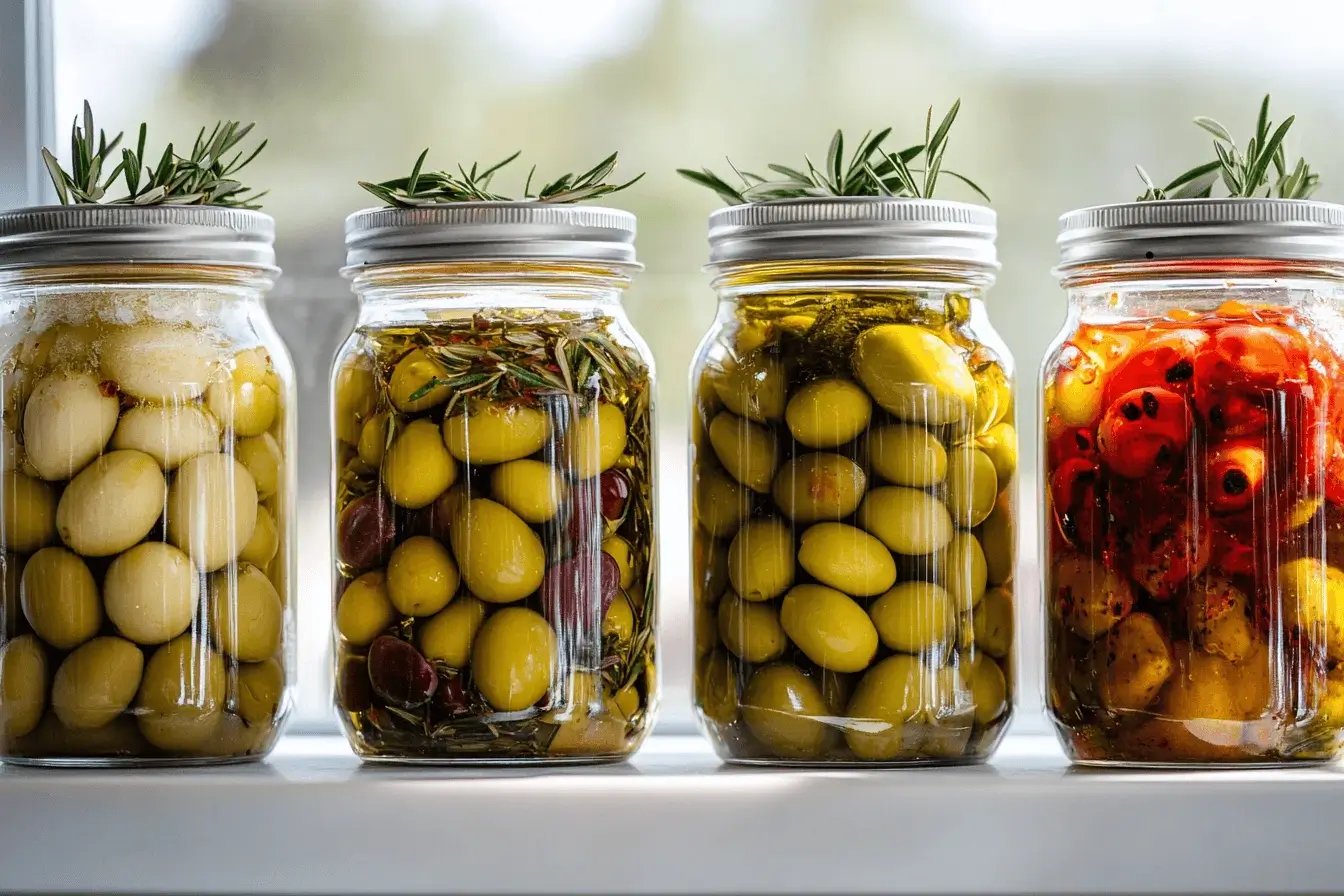
Curing methods mess with sodium levels too. Brining—soaking olives in saltwater—creates higher sodium content. I see this a lot with the jarred olives at the grocery store. Dry salt curing or oil curing result in lower sodium. This matters if you’re managing blood pressure or other cardiovascular stuff. My uncle has hypertension and his doctor told him to watch his olive intake because of the sodium, so he switched to oil-cured varieties.
Nutritional properties also depend on olive variety and where they’re grown. Spanish olives versus Italian olives have different flavor profiles and nutrient levels because of climate and soil differences. Tastes different, different nutritional makeup. Makes sense when you think about it—same reason wine from different regions tastes different even when it’s the same grape.
Are Green and Black Olives from Different Trees?
Lots of people think green and black olives come from different trees. I thought this for years. They don’t. Same tree, different harvest times.
Green olives = picked when unripe. Black olives = left to fully mature. That’s the main difference. But olive varieties and processing methods create differences in taste, texture, and nutrition beyond just ripeness.
Hundreds of olive varieties exist. Some trees are grown specifically for oil, others for eating. The variety plus when you harvest determines whether it ends up green or black on your plate.
Certain regions are famous for specific varieties. Kalamata olives from Greece—rich, fruity flavor, dark purple color. Castelvetrano olives from Sicily—mild, buttery taste, bright green. These can be harvested at different ripeness stages, but they all come from the same basic process.
Green or Black Olives in Traditional Medicine
People have used olives and olive oil medicinally for thousands of years. Ancient civilizations applied olive oil to heal wounds, help digestion, reduce inflammation. Sounds like old wives’ tales but research today backs up a lot of these uses. Polyphenols and healthy fats in olives genuinely reduce inflammation and improve health.
Olive oil has been considered heart-healthy forever. Ancient Greece and Rome viewed it as sacred—protected skin, anointed bodies, promoted longevity. Mediterranean diet, which is loaded with olive oil, is linked to lower risk of heart disease, cancer, even Alzheimer’s. That’s not coincidence.
Olives have been used in skincare for centuries too. Moisturizing properties, enhances skin elasticity, reduces aging signs. Vitamin E in olive oil fights free radicals that damage skin. Natural anti-aging remedy that actually works based on the research I found.
Olive leaves have been used in traditional remedies forever. Olive leaf extracts have antiviral and antimicrobial properties. Still used today as herbal treatments for infections and immune support.
Different Varieties of Green or Black Olives
Popular Green Olive Varieties
Green olives come in several varieties with distinct flavors:
Manzanilla: Small, firm, commonly used in cocktails or as snacks. Often stuffed with pimentos or garlic. These are the classic martini olives.
Picholine: French variety, crisp bite, pairs well with cheese. Firm texture makes them perfect for appetizers. I served these at a party once with brie and people kept asking what kind they were.
Castelvetrano: Mild, buttery flavor. Perfect for salads. Popular in gourmet dishes because of unique taste. These are my current favorite—introduced to them at an Italian restaurant and now I buy them constantly.
Cerignola: Large, mild flavor, great for snacking or antipasto platters. Usually served whole. Staple of Mediterranean cuisine.
Well-known Black Olive Varieties
Black olives have their own varieties:
Kalamata: Large, dark, fruity flavor. Common in Greek salads. Famous for robust taste. These are probably the most recognizable black olive variety.
Gaeta: Slightly sweet, ideal for antipasto platters. Cured in brine, served as part of Italian antipasti. Less common in U.S. grocery stores but worth finding.
Niçoise: Small, salty, used in French dishes especially Niçoise salads. Named after Nice, France.
Mission: Common in the U.S., mild flavor, perfect for pizzas and salads. These are the ones you see in cans at American grocery stores most often.
Nutritional Comparison of Green or Black Olives
Nutritional Breakdown: Calories, Fats, and Sodium
When figuring out which olives are healthier, nutrition is key. Black olives tend to have lower sodium than green olives. This matters for heart-healthy meals and if you’re watching sodium intake. Similar to considerations you’d make when boiling potatoes in chicken broth for soups or stews where you’re trying to balance flavor and sodium.
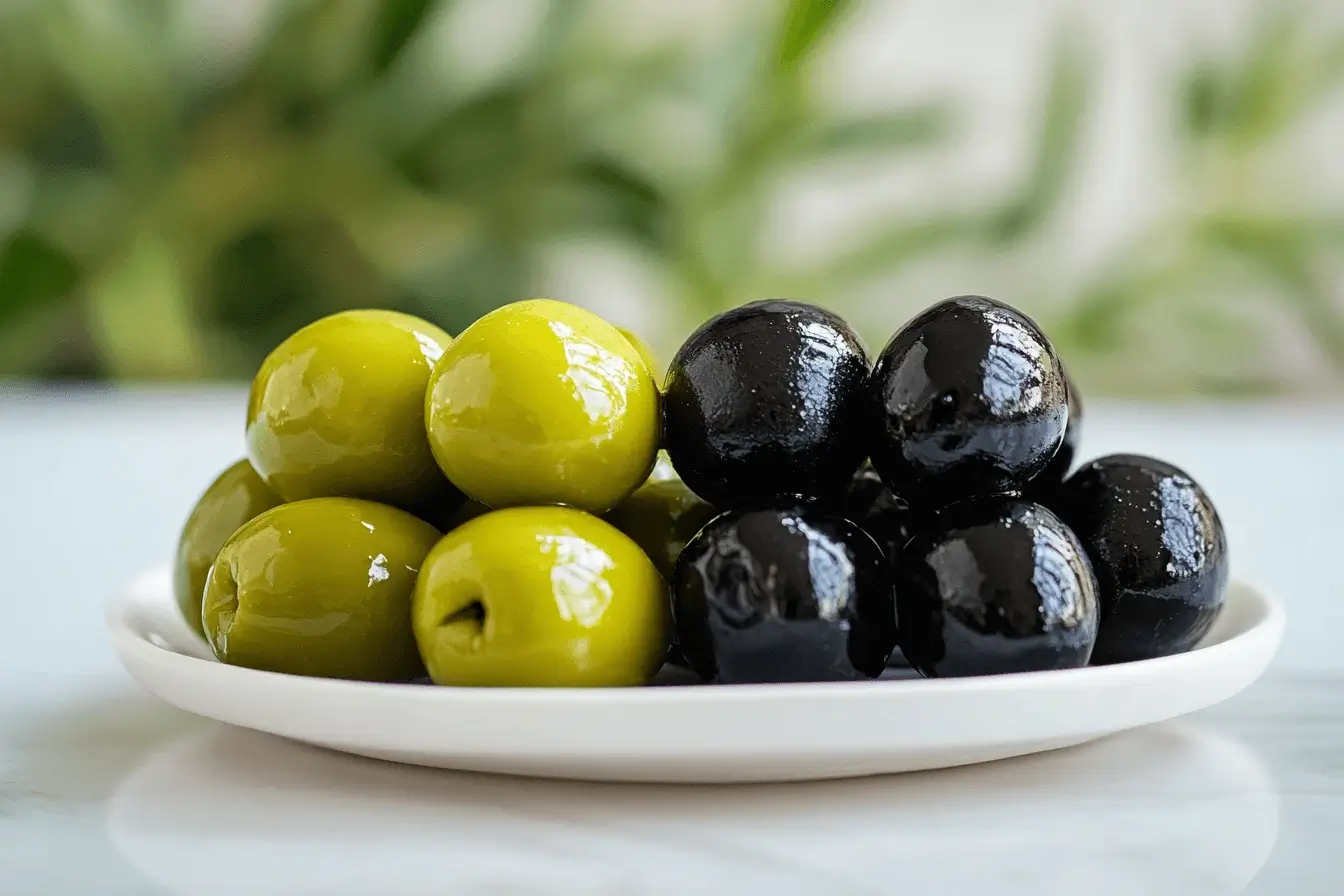
Here’s what the nutrition breaks down to per 100g:
| Nutrient | Green Olives | Black Olives |
|---|---|---|
| Calories | 145 kcal | 115 kcal |
| Total Fat | 15g | 10g |
| Saturated Fat | 2.0g | 1.5g |
| Monounsaturated Fat | 11g | 7.5g |
| Sodium | 1550mg | 735mg |
| Fiber | 3.8g | 2.6g |
When I first looked at these numbers side by side, I was surprised how similar they actually are. Not drastically different despite tasting so different.
Green or Black Olives: Which Is Healthier for Calories and Fat?
This question keeps coming up and honestly, the answer is “it depends on what you care about.”
Both types are rich in monounsaturated fats—the healthy kind that lowers bad cholesterol (LDL) and raises good cholesterol (HDL). Research backs this up consistently. So from a fat perspective, both are heart-healthy additions to your diet regardless of color. I eat both for this reason.
Sodium Content: Why Green Olives Are Saltier
Green olives contain way more sodium because of how they’re cured. The brining process they go through loads them with salt. Black olives are often a better choice if you’re watching sodium intake. I switched to primarily black olives when I was trying to reduce my sodium for a few months and noticed a difference.
High sodium contributes to high blood pressure. For cardiovascular health, black olives might be the better option if that’s your concern. My uncle’s cardiologist specifically told him to favor black olives over green for this exact reason.
That said, you can reduce sodium in green olives. Soak them in water before eating—changes the water a couple times—and you’ll remove some salt. Makes them more heart-friendly. I do this sometimes when I really want green olives but am trying to be good about sodium.
Health Benefits of Green or Black Olives
Antioxidants: The Strength of Green Olives
When deciding which olives are healthier, health benefits matter as much as basic nutrition.
Green olives are loaded with antioxidants—specifically polyphenols and flavonoids. These fight inflammation and reduce risk of chronic diseases. That’s a real benefit, not just marketing talk. Research shows these compounds genuinely protect your cells.
Black olives have slightly less fat overall but provide serious heart health benefits from their monounsaturated fat content. Different strengths, both valuable.
I eat green when I want maximum antioxidants. I eat black when I’m focused on heart health and sodium reduction. Both have their place.
Polyphenols specifically prevent oxidative stress, which is linked to serious conditions like heart disease and cancer. When you eat green olives, you’re actively neutralizing free radicals and protecting your cells. This isn’t theoretical—it’s measurable biological activity that researchers have documented extensively.
I started eating more green olives when I learned about this. Not obsessively, but I consciously added them to meals a few times a week. Figured it couldn’t hurt.
Heart Health: Black Olives for Cardiovascular Support
Black olives have more fat overall, but most of it’s that heart-healthy monounsaturated kind. Lowers bad cholesterol (LDL), raises good cholesterol (HDL). This is why Mediterranean diets get praised constantly—they’re loaded with this type of fat.
Including black olives in dishes like Mediterranean salads or pairing them with fresh foods like tangy lemon cucumber recipes is an easy way to boost cardiovascular health while making your food taste better. I throw black olives into salads all the time for exactly this reason.
The monounsaturated fats also reduce arterial inflammation, which further supports heart health. If maintaining healthy cholesterol levels matters to you, black olives are particularly beneficial. My doctor mentioned this during a checkup when we were discussing diet changes, and it stuck with me.
Eye Health: Vitamin A in Green Olives
Green olives are an excellent source of vitamin A, crucial for healthy vision. Diet rich in vitamin A protects against age-related eye stuff like cataracts and macular degeneration.
Vitamin A also keeps your retina functioning properly, which is essential for vision especially in low-light conditions. Adding green olives to meals helps ensure you’re getting enough vitamin A for good eye health.
I didn’t know about this vitamin A content until researching for this deep dive. Now when I eat green olives I think “vision support” which makes me feel slightly better about eating them straight from the jar.
Bone Health and Inflammation Control
Both green and black olives contain calcium, supporting bone strength. Plus the polyphenols reduce inflammation, beneficial for conditions like arthritis. For more anti-inflammatory benefits, try incorporating olives into recipes like easy creamy chicken potato soup.
Recent studies suggest olives’ anti-inflammatory properties might help prevent bone loss. Makes them excellent for people at risk of osteoporosis. My grandmother has osteoporosis and her doctor recommended increasing calcium and anti-inflammatory foods, so I mentioned olives. She started eating a few daily.
How Green or Black Olives Support Gut Health
Fermented olives have probiotics in them. These are the good bacteria that help your digestive system work right. Fiber in olives also keeps things moving through your system regularly. I know that’s TMI but it matters.
When you eat fermented olives, you’re introducing healthy bacteria into your gut. This helps balance your microbiome—all the bacteria living in your digestive system. Balance here affects way more than just digestion. Impacts immunity, mental health, inflammation, all kinds of stuff.
I started eating olives regularly about three years ago. Can’t say definitively it was the olives because I changed other diet things too, but my digestion got noticeably better. Less bloating, more regular. Could be coincidence but I don’t think so. The probiotics probably helped.
Not saying olives are magic gut health cure-alls. But they do contribute to overall digestive health when you eat them consistently as part of a balanced diet.
Choosing the Best Olive Products
Shopping for olives, here’s what actually matters:
Organic certification – No pesticides. Worth the extra couple dollars to avoid chemicals you don’t need in your body.
Extra virgin olive oil – Maximizes nutrients and antioxidants. Regular olive oil processes out some of the good stuff. EVOO keeps it.
Low-sodium options – If you’re watching salt intake, these exist. Harder to find but worth hunting for if sodium’s a concern for you.
Pay attention to packaging. Glass jars or BPA-free cans. BPA is that chemical in some plastics that leeches into food. Not great for you. I switched to buying only glass jars after reading about this maybe two years ago. Also easier to see what you’re actually getting before you buy.
Olive oil specifically needs proper storage or it oxidizes and loses nutrients. Dark glass bottles protect it from light. Keep it somewhere cool and dark after you open it. Not above the stove where it gets hot. I made that mistake for years before someone corrected me.
Pay attention to packaging too. Choose olives in glass jars or BPA-free cans to avoid harmful chemicals in packaging materials. Especially important for olive oil—improper storage causes oxidation and nutrient loss.
I buy glass jars exclusively now after reading about BPA. Also easier to see what you’re getting.
Olive Oil: Green and Black Olives’ Best Output
Extra Virgin Olive Oil: A Health Superfood
Extra virgin olive oil ranks among the healthiest oils because of high monounsaturated fat content. Regular consumption has been linked to reduced inflammation, improved cholesterol levels, better heart health overall.
Extra virgin contains more polyphenols than other olive oil types. These antioxidants protect from oxidative damage and inflammation, enhancing its superfood status.
I use only extra virgin now. Costs more but worth it for the health benefits. Also tastes way better than regular olive oil.
Cold-Pressed vs. Refined Olive Oils
Cold-pressed olive oil retains more nutrients since it’s produced without heat. Refined oils lose many beneficial compounds during processing. Choosing cold-pressed ensures maximum health benefits.
Cold-pressed oils also have richer flavors and are less processed, making them healthier and tastier for cooking or salad dressing.
Culinary Uses and Flavor Profile of Green or Black Olives
How to Use Green and Black Olives in Your Meals
Green and black olives enhance tons of dishes—appetizers, main courses, everything in between. Green olives with their bold flavor work great in tapenades. Black olives lend subtler taste to pizzas, salads, pasta.
Green olives pair beautifully with almonds or feta, adding flavor and nutrition. Black olives are Mediterranean cuisine staples, often complementing dishes like Greek salads and pasta.
I rotate between them depending on what I’m making. Pizza gets black olives. Tapenade gets green. Salad can go either way depending on mood.
Cooking Recipes with Green or Black Olives
Green Olive Tapenade Recipe
• 1 cup green olives, pitted
• 1 clove garlic
• 1 tbsp capers
• 2 tbsp olive oil
• 1 tsp lemon juice
Combine all ingredients in food processor, blend until smooth, serve with crackers or bread.
I make this for parties and people always ask for the recipe. Takes maybe 5 minutes.
Black Olive Pesto Recipe
- 1 cup black olives, pitted
- 2 cloves garlic
- 1/4 cup fresh basil
- 2 tbsp pine nuts
- 1/4 cup olive oil
Blend everything together and use as pasta sauce or spread on toast. I do this for quick dinners when I don’t feel like actual cooking. Takes maybe five minutes total.
Environmental Impact of Green and Black Olive Farming
Sustainability of Olive Farming
Olive farming can mess with the environment through deforestation and excessive water use. Not all olive farming is created equal though. Lots of farmers are adopting sustainable methods to reduce their environmental footprint because they realize long-term viability requires taking care of the land.
In Spain and Italy especially, more farmers are going organic. This reduces pesticide use and promotes biodiversity. I visited an olive farm in Tuscany a few years ago and the difference between organic and conventional farming was visible—way more wildlife, healthier soil, different ecosystem entirely.
Some producers are implementing rain-fed irrigation systems instead of constant watering. Minimizes water usage significantly, which matters a lot in Mediterranean climates where water scarcity is a real issue. Makes the whole operation more sustainable long-term.
Choosing Sustainable Olive Products
You can reduce your environmental impact by choosing organic and sustainably farmed olives. I try to do this when possible, though I’ll admit organic olives are significantly more expensive and not always available at my regular grocery store.
Organic olives are grown without harmful pesticides. Better for your health, better for the environment. Win-win situation.
Look for certifications like Fair Trade and Rainforest Alliance. These guarantee olive products come from ethical, eco-friendly practices. Also ensure farmers get paid fair wages and work in safe conditions, which matters if you care about the human side of food production, not just the environmental side.
I started paying attention to these certifications maybe three years ago. Costs more but feels better knowing the people growing my food aren’t being exploited and the land isn’t being destroyed in the process.
Which Olive Should You Choose: Green or Black?
Tailoring Your Choice Based on Health Needs
• Need to reduce sodium? Black olives are better
• Want more antioxidants? Green olives are your choice
• Heart health priority? Black olives provide heart-friendly fats
When deciding which olives are healthier, consider your health goals. Trying to reduce sodium? Black olives. Looking for antioxidant-rich option? Green olives. Best option depends on your personal health needs and taste preferences.
I eat both depending on what I’m focused on health-wise at the time. Currently favoring black because I’m watching sodium, but I rotate through phases.
Conclusion: Green or Black Olives, the Final Verdict
So which olives are healthier, green or black? Both offer distinct advantages depending on dietary needs. Green olives provide higher antioxidant concentration. Black olives are lower in sodium and offer heart-healthy fats.
Whether you prefer bold flavor of green olives or milder taste of black, both types can be incorporated into balanced, health-conscious diet. Don’t overthink it. Eat the ones you like, or eat both like I do. They’re both good for you.