

Introduction
Think candy always means just sweet? Mexican candy says otherwise. These treats mix sugar with spicy, tangy, and sometimes salty flavors that completely change what you expect from candy. Tamarind, chili, lime—these are the ingredients that give Mexican candy its signature taste. Whether you’re into bold, spicy stuff or you lean more toward the sweet side, this collection of recipes has something for you. We’re covering 10 recipes that’ll bring authentic Mexican candy flavor straight into your kitchen.
Why This Recipe?
Bold Flavors in Every Bite
Mexican candy doesn’t play it safe. You get sweet, spicy, and sour all at once—sometimes in a single bite. Tamarind treats, spicy mango candies, chamoy-covered everything—these recipes show you what makes these candies so different. Unlike regular candy that sticks to just sweet, Mexican candy mixes ingredients you wouldn’t normally think go together. The result? A flavor experience that catches people off guard in the best way.
Take spicy candies like chamoy-coated mangoes or those gummies rolled in chili powder. Every bite hits different. Then you’ve got tamarind-based stuff that brings this tart-sweet combo that somehow works perfectly with more chili powder. These flavor combinations aren’t random—they’ve been perfected over generations. They’re part of Mexico’s food culture, reflecting that bold, playful spirit you see throughout Mexican cuisine.
Ideal for All Occasions
These recipes work whether you’re making snacks for a party or just want a fun cooking project with the family. Beginners can handle them, but they’re still interesting if you’ve made candy before. You can adjust the spice levels however you want and tweak them for different diets. That’s what makes Mexican candy recipes so versatile.
Picture serving tamarind lollipops at a birthday party or putting out chamoy-covered gummies for movie night. People will remember that. These also make killer homemade gifts. Package them in nice jars or boxes and you’ve got something thoughtful that also packs that unexpected spicy kick. Party snack, homemade gift, family activity—these recipes cover all of it.
Ingredients and Substitutes
You’ll need spices, fruit, and a few other basics to make these Mexican candy recipes. Here’s what matters and how to work around anything you’re missing:
Essential Ingredients
- Tamarind paste: This is your sour-sweet foundation for tamarind candies. It comes from tamarind fruit pulp—those trees grow in tropical spots, and the pods hold this stuff that gives Mexican candy that signature tangy hit.
- Chili powder: Brings the heat and layers in flavor. Go mild if you want to take it easy, or reach for ancho or cayenne if you’re chasing more fire.
- Sugar: This balances everything—the spice, the sour, all of it. Most recipes call for regular granulated sugar, but cane sugar adds a richer edge if you’ve got it sitting around.
- Lime juice: Fresh lime brings this sharp, bright note that pulls the whole flavor together. You’ll see it constantly in Mexican candy because it just levels out the sweetness perfectly.
- Gelatin: This is what gives gummies that chewy bite everyone’s after. Without it, you’re not getting that texture.
- Mango slices: Dried mango forms the base for those spicy-sweet fruit candies. Coat them in chamoy and chili powder and you’ve got a Mexican candy classic right there.
- Substitution Options
- Tamarind paste substitute: Can’t track down tamarind paste? Mix lemon juice with some brown sugar. Won’t be a perfect match, but it gets you pretty close to that tangy-sweet combo.
- Chili powder substitute: Too spicy for your taste? Paprika or cayenne bring less heat while keeping things flavorful.
- Sugar alternatives: Trying to cut sugar? Stevia or monk fruit sweetener do the trick. You drop the sugar content but keep enough sweetness to counter the spice.
Missing an ingredient or working with dietary restrictions? These swaps let you adapt the recipes without losing what makes Mexican candy special.
Substitution Options
- Tamarind paste substitute: No tamarind paste around? Squeeze some lemon juice and mix in brown sugar. Won’t be identical, but it gets you in the ballpark for that tangy-sweet thing.
- Chili powder substitute: Too much heat for you? Paprika or cayenne dial it back a notch while keeping some flavor.
- Sugar alternatives: Cutting sugar? Stevia or monk fruit sweetener work. You lose the sugar but keep enough sweetness to offset the spice.
Can’t find something? Got dietary stuff to work around? These swaps give you room to make Mexican candy happen anyway.
Step-by-Step Instructions for Making Mexican Candy
1. Pulparindo Tamarind Candy
Pulparindo is one of those classic Mexican candies—tamarind, sugar, and chili powder doing their thing.
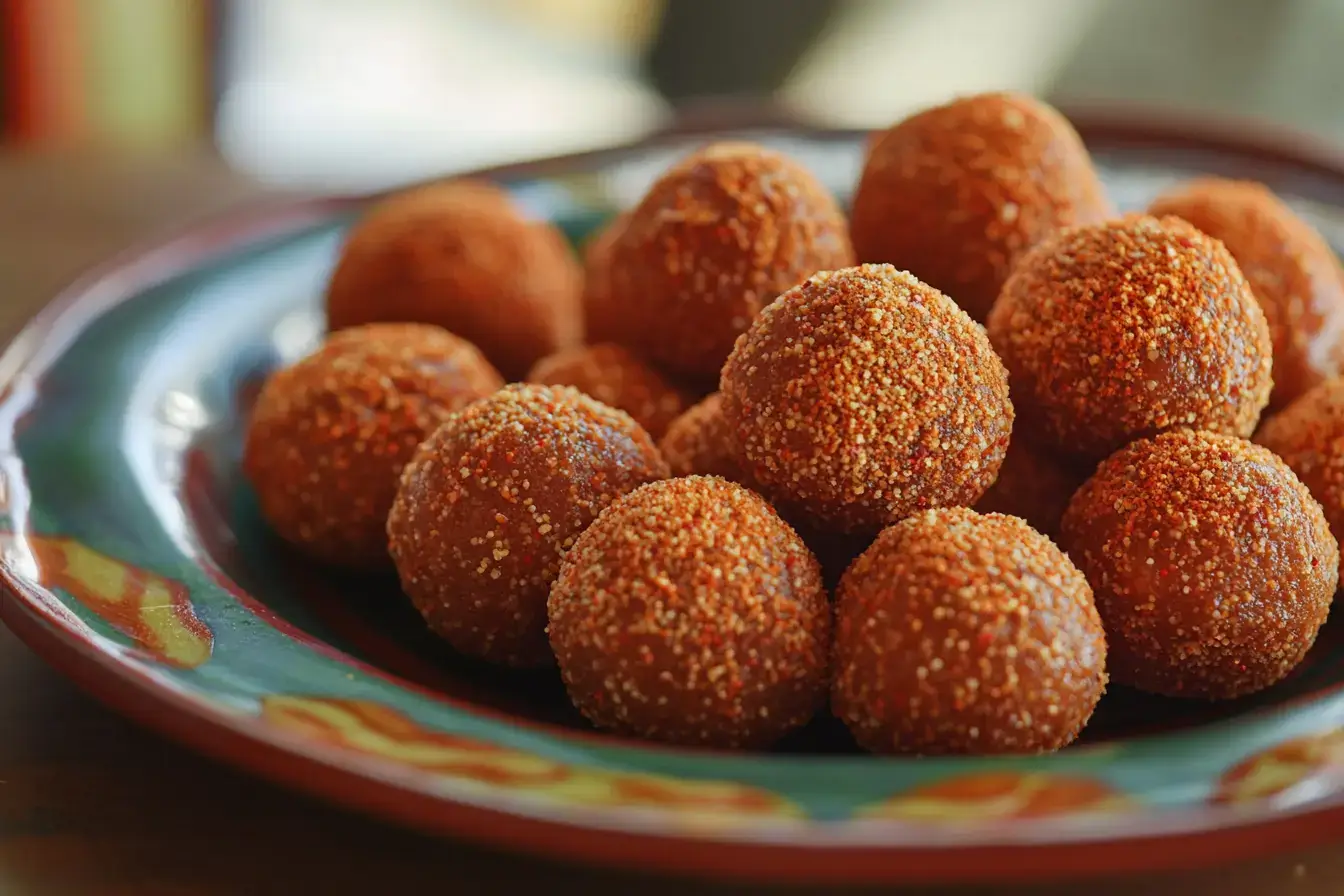
Ingredients:
- 1 cup tamarind paste
- 1/2 cup sugar
- 1 tablespoon chili powder
- 1 teaspoon lime juice
Instructions:
Grab a saucepan and throw in your tamarind paste and sugar. Medium heat. Keep stirring until all that sugar dissolves completely.
Toss in the chili powder and lime juice. Keep cooking until everything thickens up.
Pour it into a greased mold or just spread it flat on a greased surface. Whatever works. Let it cool down.
Once it’s hardened, cut it into squares and you’re done.
2. Chamoy Mango Candies
Chamoy mango? That’s the sweet-spicy combo you didn’t know you needed. Tropical mango meets tangy heat, and somehow it’s perfect.
Ingredients:
- Dried mango slices
- Chamoy sauce
- Chili powder
Instructions:
Poke a skewer through each dried mango slice. Dunk them straight into that chamoy sauce.
Now roll them around in chili powder. Coat them good.
Lay them out on a rack. Give them 30 minutes or so to dry out before you eat them.
3. Spicy Tamarind Gummies
Love sour candy? Into spicy stuff? These chewy tamarind gummies are exactly what you’re after.
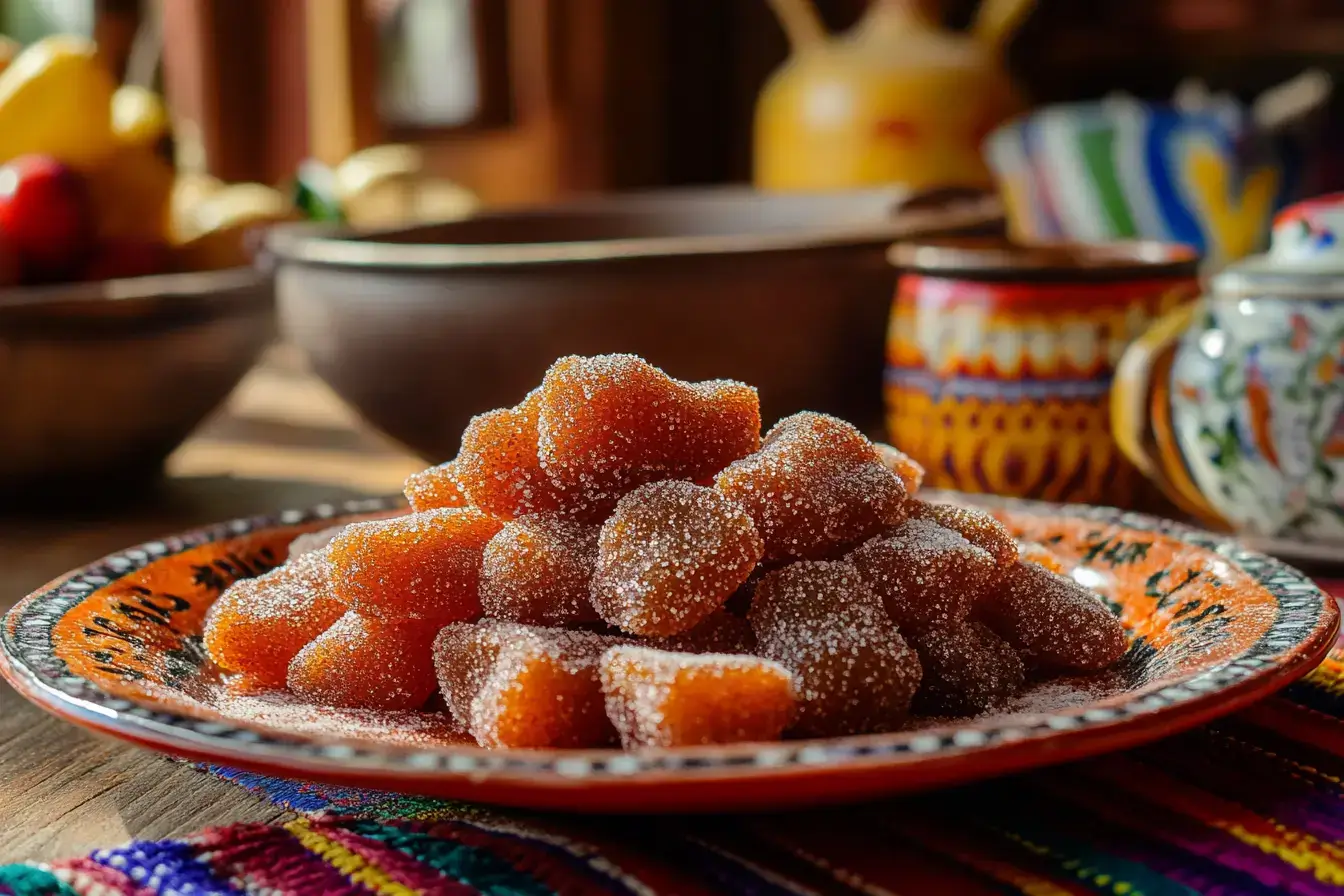
Ingredients:
- 1/2 cup tamarind paste
- 1 cup sugar
- 2 tablespoons chili powder
- 1 tablespoon gelatin
- 1/4 cup water
Instructions:
- Throw tamarind paste and water in a saucepan. Turn on the heat. Stir constantly—don’t stop.
- Dump in the sugar and chili powder. Keep stirring while it gets thick.
- When it’s thick enough, take it off the heat. Add your gelatin. Stir fast before it sets up on you.
- Pour it into whatever molds you’ve got. Fridge for an hour, maybe a bit longer.
- Pull them out once they’re solid. That’s it—they’re ready.
Tips and Tricks for Perfect Mexican Candy
Get the Balance Right
Nailing authentic Mexican candy comes down to balancing sweet, spicy, and sour. Not sure how much heat to add? Start light. You can always add more. Here’s something people forget—that chili powder gets hotter as the candy cools down. Sneaks up on you.
When you’re making this stuff for the first time, taste as you go. Some folks want more chili powder. They like things spicy. Others dial it back and lean into the sweeter side. Both work. Just depends what you’re after.
Timing is Key
Watch your tamarind and sugar mixtures while they’re cooking. Overcook them even a little? Burnt, bitter mess. Nobody wants that. Keep checking the consistency. For gummies and anything with gelatin, let them cool all the way down before you try pulling them out of the molds. That chewy texture you want? You lose it if you rush this step.
Try unmolding before they’re fully set and you’re dealing with a sticky disaster. Trust me. Just wait it out.
Make-Ahead Tips
Good news—you can make most of these ahead of time. Stick them in airtight containers and you’re set. Pulparindo and the other tamarind stuff? Week, easy. Fruit candies like chamoy mango don’t last quite as long. Eat those within a few days while they’re still good.
Keep them at room temperature. Somewhere dry and cool. That’s how you maintain the texture and flavor without them going weird on you.
Variations and Dietary Adjustments for Mexican Candy Recipes
Sweet and Spicy Variations
- Extra Heat: Like things seriously spicy? Add more chili powder. Or throw in a few shakes of hot sauce—that works too. Want even more intensity? Reach for something like habanero powder. That’ll give you a real kick.
- Milder Options: Not into too much heat? Cut back on the chili powder. Paprika’s a good swap—gives you flavor without blowing your head off. Prefer zero spice? Skip the chili completely. You’ll end up with a straight-up sweet candy, which is totally fine.
Dietary Adjustments
- Vegan Options: Making gummies but need them vegan? Swap gelatin for agar-agar. Sets the same way, gives you that chewy texture, and there’s no animal products involved.
- Sugar-Free: Trying to avoid sugar? Use stevia or monk fruit sweetener instead. You still get the sweetness you need for candy-making, just without piling on calories.
Serving Suggestions
Mexican candy works for all kinds of occasions. Here’s how to level up your candy game:
Pair with Drinks
These candies go great with traditional Mexican drinks like horchata or agua fresca—the cool drinks balance out the spicy kick. Feeling fancy? Pour some margaritas or whip up tamarind cocktails instead. That contrast between cold drinks and spicy candy hits different in the best way.
Hosting a party? Set out Mexican candies next to Mexican-inspired cocktails. It’s a solid way to introduce people to these flavors if they haven’t tried them before.
Creative Presentations
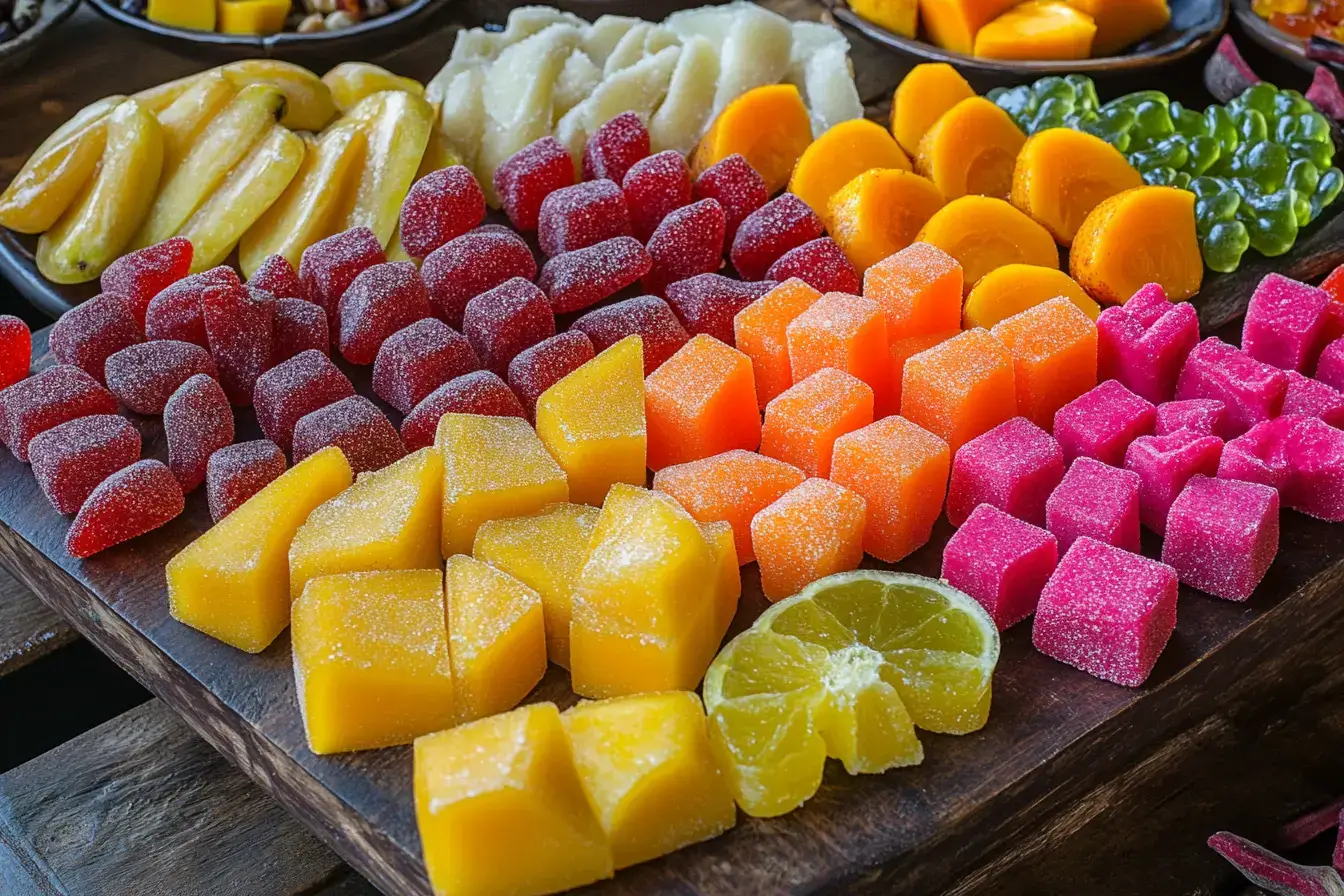
Throw Mexican candies on a dessert board with fresh fruit, chocolates, and nuts. Looks amazing, tastes even better. Your guests will dig it.
The colors are what really make it pop—especially when you add watermelon, mango, or pineapple. Perfect for celebrations or whenever you want things to look a bit festive. Put the candies in small bowls or nice platters if you want to go more elegant.
Want something fun? Make candy skewers. Thread tamarind candy, chamoy-coated fruit, and gummies onto sticks, alternating between them. Kids love these. Actually, everyone loves these. Works great as party favors too.
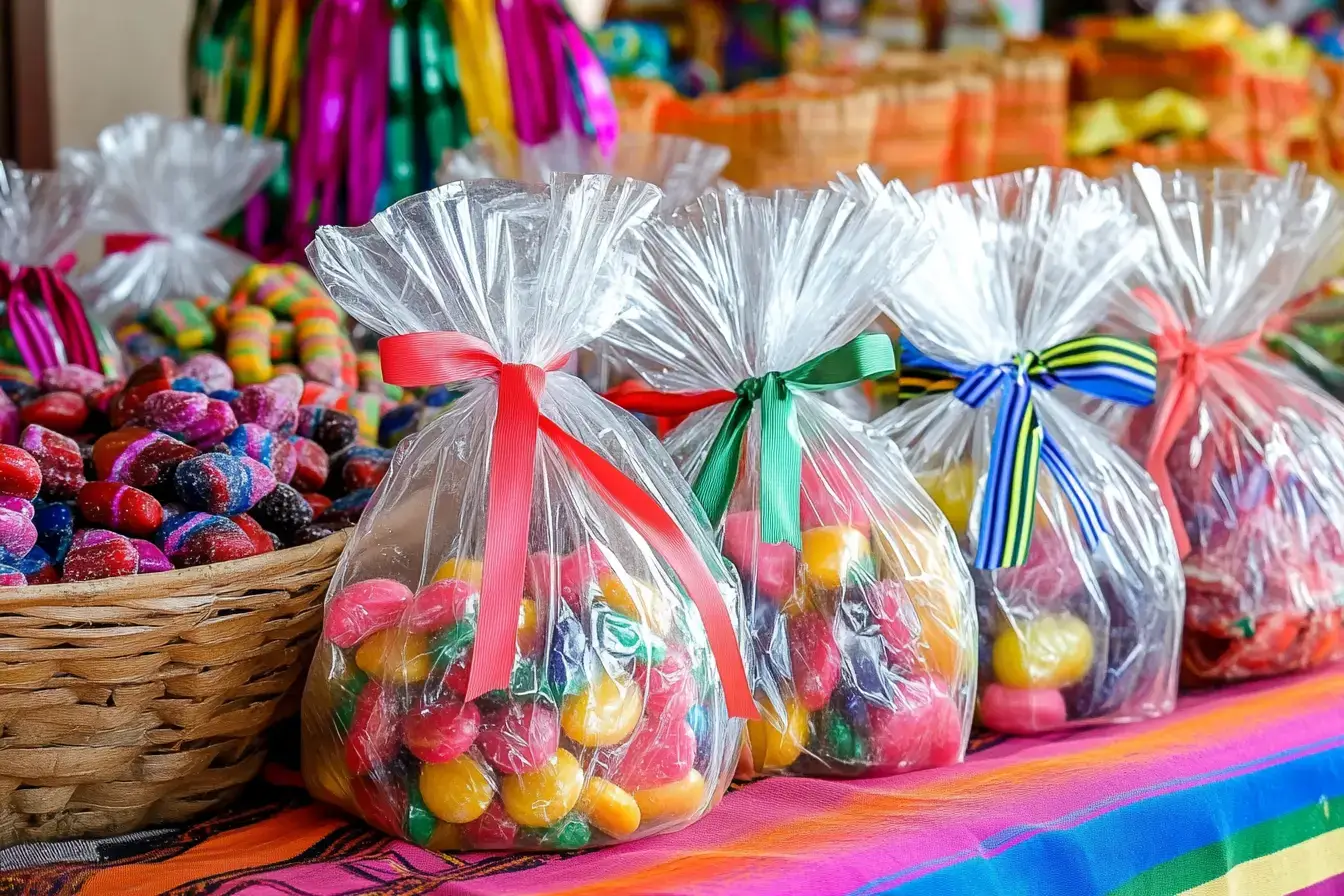
You can even wrap the skewers in cellophane and tie them with bright ribbons. Now you’ve got a homemade gift that people will actually be excited to get.
Nutritional Information for Mexican Candy
Here’s roughly what you’re looking at nutrition-wise for a typical serving of Mexican candy like tamarind or mango:
| Nutrient | Amount per Serving |
|---|---|
| Calories | 120-150 |
| Carbohydrates | 30g |
| Sugar | 20g |
| Protein | 1g |
| Fat | 1g |
These candies don’t pack much fat, but the sugar content? Yeah, it’s up there. Save them for special occasions rather than everyday snacking.
Here’s what’s interesting though—tamarind, which shows up in tons of Mexican candy, is actually good for digestion. Natural laxative, plus it’s loaded with antioxidants. And that chili powder everyone uses? Contains capsaicin. Boosts your metabolism, improves circulation. So there are some benefits here, especially from the fruit-based stuff. Just don’t go overboard because of all that sugar.
The History and Cultural Significance of Mexican Candy
The Origins of Mexican Candy
Mexican candy goes way back—we’re talking pre-Hispanic times. Indigenous people were already using tamarind and chili in their cooking. Then the Spanish showed up and brought sugar with them. That’s when things got interesting. That combo of indigenous ingredients plus Spanish sugar created these sweet-and-spicy treats we know today.
Tamarind became huge in Mexican candy. It was everywhere, easy to get, and you could do so much with it. Unlike those traditional European sweets that were just sweet, Mexican candy brought in sour and tangy too. Made it completely different from what anyone else was doing.
Regional Variations
Different parts of Mexico do their own thing with candy. In Jalisco? Lots of tamarind and chamoy. Over in Oaxaca? They’re working with chocolate and nuts. Veracruz goes heavy on coconut candies—sweeter, creamier, totally different vibe from the spicy tamarind stuff you get elsewhere.
Every region puts its own spin on things. It’s all about what ingredients they’ve got and the food traditions that developed in each state. That’s why Mexican candy is so diverse—each place brings something unique.
Ingredient Spotlight: Tamarind in Mexican Candy
Tamarind is the MVP ingredient in Mexican candy. That sour, fruity taste plays perfectly with sugar’s sweetness and chili’s heat. Three-way balance that just works.
Beyond taste, tamarind’s actually good for you. Packed with vitamins, especially B vitamins. Helps with digestion, which is a nice bonus for candy.
But tamarind isn’t just for sweets. Throughout Mexico and other places, you’ll find it in savory dishes too—sauces, marinades, drinks. Super versatile ingredient. The tamarind tree originally came from tropical Africa but now grows all over Mexico and Southeast Asia. Those pods it produces? That’s where the tangy pulp comes from that goes into all this candy and cooking.
Storage and Reheating Tips
Want to keep your Mexican candy good? Airtight container, room temperature. That’s the move. Don’t throw tamarind stuff in the fridge—trust me, it turns sticky and gross.
Room temp keeps everything right. Gummies stay a little chewy. Tamarind treats stay firm. Exactly how they should be.
Need to soften something up? Tamarind or sugar-based candy, microwave it for a couple seconds. But don’t go crazy—overheat it and the sugar melts everywhere, ruins the whole texture. Gummies usually don’t need any reheating. If they’ve gotten too hard though, just leave them somewhere warm for a few minutes. They’ll soften back up.
Storage and Reheating Tips
Keep your Mexican candy fresh by storing it in an airtight container at room temperature. Don’t stick tamarind-based stuff in the fridge—it gets sticky and weird. Room temperature is perfect for keeping gummies chewy and tamarind treats firm, exactly how they’re supposed to be.
Need to soften up tamarind or sugar-based candy? Microwave for a few seconds. That’s it. Don’t overdo it though, or the sugar melts and ruins the whole texture. Gummies don’t usually need reheating, but if they’ve gotten too hard, let them sit somewhere warm for a few minutes to soften up a bit.
Frequently Asked Questions (FAQs)
1. How long can I store homemade Mexican candy?
Most Mexican candy lasts about a week in an airtight container. Fresh tamarind stuff? Eat that within a few days for best results. Keep everything at room temperature so the texture and flavor stay right. Gummies get hard if you leave them exposed, so seal them up.
2. Can I reduce the chili powder for a less spicy version?
Absolutely. Use as much or as little as you want. Want zero spice? Skip it completely. You’re not losing anything—the candy still tastes great. Plenty of people prefer it milder anyway.
3. Where can I find tamarind paste?
Check the international aisle at your grocery store. Specialty markets usually have it too. Can’t find it locally? Order it online. When you’re buying it, look for pure tamarind—no added sugar or preservatives. That’s what works best for candy.
4. Is there a sugar-free option for Mexican candy?
Yeah, swap regular sugar for stevia or monk fruit sweetener. You still get that sweet-spicy combo without the calories or sugar. Works just fine.
5. Can I use fresh mango instead of dried for chamoy mango candies?
Sure. Fresh mango’s juicier and less chewy than dried, but it works. Cut it into thin, firm slices so it doesn’t fall apart when you coat it with chamoy and chili powder.
Conclusion
Mexican candy brings flavor in a way regular candy doesn’t. Spicy mango lollipops, chewy tamarind candies—whatever you try from these recipes gives you a real taste of Mexico’s candy culture. Instructions are straightforward, and you can customize however you want.
Every recipe here lets you get creative. Adjust the spice, swap ingredients for dietary stuff, make it yours. Mexican candy isn’t just sweet—it’s this whole fusion of flavors that comes from Mexico’s food traditions.
Make these, share them with people, and let us know how you changed things up to fit your taste. Enjoyed making Mexican candy? Stick around—we’ve got more recipes and ideas coming your way.