

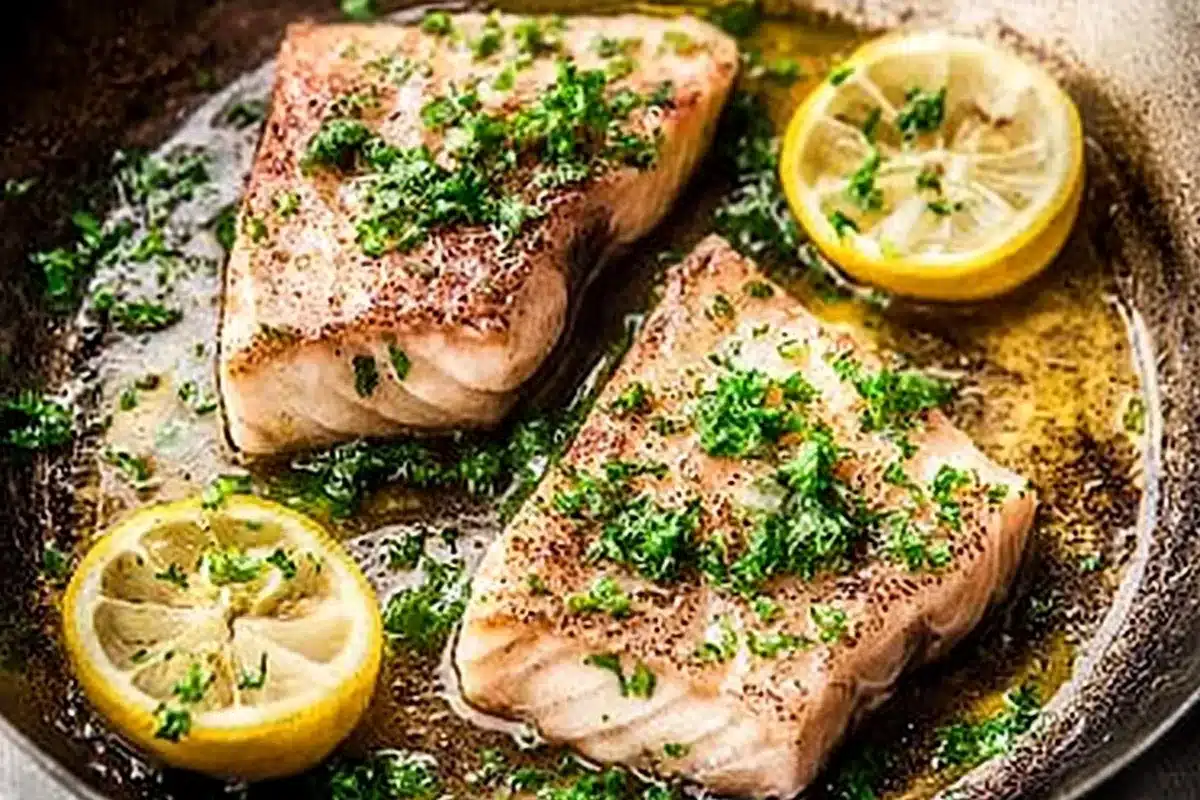
I didn’t cook swordfish until I was in my late twenties. Always seemed too expensive and intimidating, you know? Then my cousin made it at a family dinner and I realized it’s actually not that hard. The texture is meaty and firm, so it doesn’t fall apart like some fish does when you’re trying to flip it. That alone makes it way less stressful to cook.
What’s great about swordfish is it can handle bold flavors. Citrus glazes, herb rubs, spicy marinades—all of it works. The fish itself has a mild enough flavor that it doesn’t fight with whatever you put on it. I’ve done lemon-garlic, tried a mango-chili thing once that was surprisingly good, even just salt and pepper with good olive oil tastes incredible.
The key is starting with good fish. Fresh swordfish should be firm, smell like the ocean but not fishy, and have a nice even color. If it smells weird or looks discolored, don’t buy it. I learned that the hard way when I got a sketchy piece from a discount seafood place and it tasted awful no matter what I did to it.
Grilling is my favorite way to cook it. Get the grill really hot, cook it fast, get that nice char on the outside while keeping it moist inside. Searing in a cast iron pan works too when it’s cold outside and I don’t feel like dealing with the grill.
If you want to get creative, try swordfish tacos with a fresh salsa or thread it onto skewers with vegetables. Both work really well for parties because people can eat with their hands and it feels more casual than plating up individual fish steaks.
I’ll walk you through how I make it, plus some variations that have worked well for me. Let’s do this.
Ingredients for Swordfish Recipes:
This makes enough for 8-10 people. Good for dinner parties or family gatherings
For the Swordfish Steaks:
- 4 pounds fresh swordfish steaks (about 1-inch thick) – Get them cut evenly so they cook at the same rate. I’ve bought ones that were thicker on one end and thinner on the other, which meant some parts were overcooked while others were undercooked. Not ideal.
- 1 tablespoon kosher salt
- 1 teaspoon freshly cracked black pepper
For the Marinade:
- 1/2 cup extra-virgin olive oil – Don’t use the cheapest stuff, but you don’t need to break the bank either. Mid-range olive oil works fine.
- 1/4 cup fresh lemon juice (about 2 large lemons) – Fresh is key. Bottled lemon juice tastes weird.
- 4 cloves garlic, minced – I usually add an extra clove because I like garlic. You do you.
- 2 tablespoons fresh parsley, chopped
- 2 tablespoons fresh basil, chopped
- 1 teaspoon red pepper flakes (adjust based on how much heat you want) – I do half a teaspoon because my kids can’t handle spice. Full teaspoon if it’s just adults.
For the Grilled Vegetables:
- 2 medium zucchini, sliced into half-moons
- 2 red bell peppers, cut into strips
- 1 large red onion, sliced into rings
- 1 tablespoon balsamic vinegar
- Salt and pepper, to taste
- Olive oil for tossing
Optional Side Accompaniments:
- 2 cups cooked quinoa or rice, seasoned – I usually do rice because it’s easier and my family actually eats it.
- 1/2 cup fresh feta cheese, crumbled (adds this Mediterranean vibe that works really well)
- 1/4 cup capers, rinsed and drained (if you like that briny flavor – I’m not huge on capers but some people love them)
- Fresh lemon wedges for serving
Variations:
Want to change it up? Try these:
Swap lemon juice for orange juice in the marinade. Makes it sweeter and less acidic. My aunt does this and her swordfish always tastes different in a good way.
Top it with mango salsa instead of the herb marinade. Spicy-sweet combination that’s perfect in summer.
Use whatever seasonal vegetables you have. I’ve done asparagus, cherry tomatoes, eggplant—all of it works as long as you cut it into pieces that cook in roughly the same amount of time.
Fresh herbs, roasted garlic, or flavored oils all enhance this. Don’t be afraid to experiment. That’s half the fun.
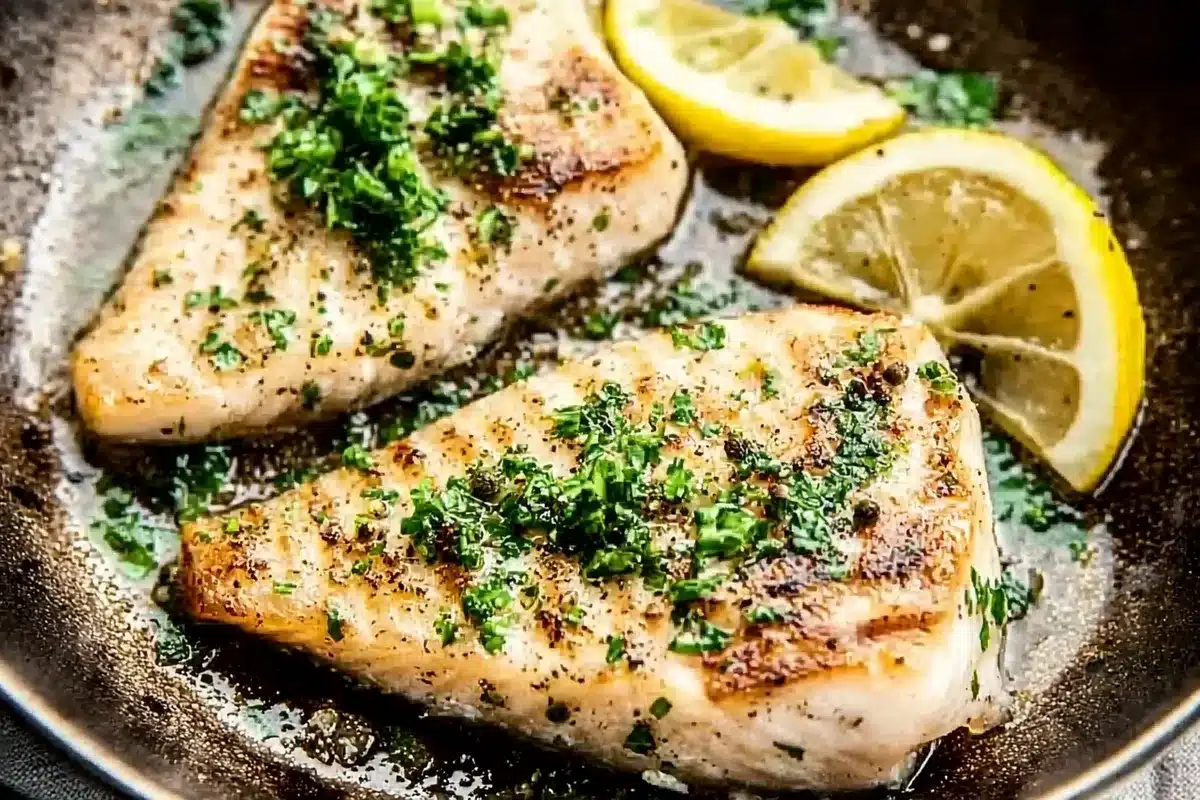
How to Prepare Swordfish Recipes:
Here’s how I actually make swordfish. No fancy culinary school techniques, just straightforward steps that work.
Step 1: Choose Fresh Swordfish
Go to a fish market or a good grocery store with a decent seafood counter. Look at the swordfish steaks—they should have clear, bright eyes if the head’s still on, and smell like the ocean but not fishy. If it smells wrong or looks dull and discolored, walk away. I bought questionable swordfish once from a place that was having a sale. Big mistake. No amount of seasoning could save it.
Step 2: Thaw Frozen Swordfish
Got frozen swordfish? Put it in the fridge the night before you want to cook it. Slow thawing keeps the texture better. If you forgot to do that (happens to me all the time), put it in a sealed bag and submerge in cold water for faster thawing. Change the water every 30 minutes. Don’t just leave it on the counter—that’s how you get food poisoning.
Step 3: Prepare Your Marinade
Bowl. Olive oil, lemon juice, chopped garlic, salt, pepper. Mix it together. Taste it and adjust—need more lemon? Add more lemon. Want more garlic? I usually do. This is your marinade, make it how you like it.
Step 4: Marinate the Swordfish
Put the swordfish steaks in the marinade. Make sure they’re covered all over. Cover the bowl, stick it in the fridge for at least 30 minutes. I’ve left it for a couple hours before when I got distracted and it was even better. Don’t go longer than 4 hours though or the acid from the lemon starts breaking down the fish too much.
Step 5: Preheat Your Grill or Oven
Heat your grill to medium-high. If you’re using the oven, turn it to broil and let it get hot. Don’t skip preheating. Putting fish on a cold grill is a recipe for sticking and uneven cooking.
Step 6: Prepare for Cooking
Take the fish out of the fridge. Pat it dry with paper towels to remove excess marinade. Wet fish doesn’t sear properly, it just steams. I learned this after making sad, gray swordfish that wouldn’t get those nice grill marks.
Step 7: Cook the Swordfish
Put the steaks on the grill. Cook for 4-5 minutes per side. You want the internal temp to hit 145°F. Use a meat thermometer instead of guessing. Undercooked swordfish is unpleasant. Overcooked swordfish is dry and rubbery. The thermometer is your friend.
Step 8: Garnish the Dish
Take it off the grill. Let it rest for a few minutes before serving. I used to cut into it immediately and watched all the juices run out onto the cutting board. Don’t do that. Just wait.
Step 9: Serve the Swordfish
Plate it up with whatever sides you made. Roasted vegetables, salad, rice, quinoa—whatever sounds good. Squeeze fresh lemon over the top for extra brightness. My dad always does this and it makes a difference.
Step 10: Enjoy Your Meal
Eat it while it’s hot. Pair it with a cold beer or white wine if that’s your thing. I usually just have water because I’m boring like that but you do you.
That’s it. Follow these steps and your swordfish will turn out good.
Tips for the Perfect Swordfish Recipes
Maintain the Right Temperature
Cook swordfish to 130-135°F internal temp. This keeps it moist and tender without drying it out. Use an actual meat thermometer instead of the poke-and-hope method. I ruined several pieces of expensive fish before I broke down and bought a thermometer. Best $15 I ever spent.
Preheat your grill or pan to medium-high heat. Hot surface creates a good sear on the outside while keeping the inside moist. If your cooking surface isn’t hot enough, the fish just sits there getting flabby instead of developing that nice crust.
Choose Quality Ingredients
Fresh swordfish should look moist with a pinkish color. Eyes should be clear, skin should glisten. Buy from places you trust. I have a fish market I go to where the guy knows what he’s talking about and won’t sell me garbage.
Pair good fish with good ingredients. Fresh herbs, real garlic (not the pre-minced jar stuff), fresh citrus, decent olive oil. The fish itself is mild enough that your other ingredients really matter. Cheap ingredients make cheap-tasting food.
Explore Suitable Substitutions
Need gluten-free? Use tamari instead of soy sauce in marinades. Rice vinegar works too. My friend has celiac and I make this for her all the time with those swaps.
Dairy-free means skipping cream-based sauces. Use coconut milk or plant-based yogurt if you need something creamy. Works fine, just tastes slightly different.
Watching sodium? Skip the salt and use herbs instead. Basil, dill, thyme all add flavor without sodium. My dad has high blood pressure so when he comes over I make it this way. Still tastes good.
Experiment with Cooking Methods
Swordfish works with pretty much any cooking method you can think of. That’s part of why I like it so much—you’re not locked into one way of doing things.
Grilling is my default. Love that smoky flavor and the char marks make it look way more impressive than the effort I actually put in. Plus grilling is just fun when the weather’s nice.
Broiling works when it’s February and I’m not about to stand outside in the cold at my grill. Captures rich flavor with way less hassle. Just stick it in the oven, turn on the broiler, done.
Baking is easiest for cleanup, especially if you wrap the fish in foil with some lemon slices and herbs. Throw it in the oven, set a timer, clean up is basically nothing. I do this on weeknights when I’m tired and don’t feel like scrubbing pans.
Pan-searing gives you this incredible crust on the outside. Makes your kitchen smoky though, so turn on the vent and open a window. My smoke detector has gone off more than once from pan-searing fish. Worth it for the crust though.
Each method creates different textures and flavors. Pick whatever fits your mood or the occasion. They all work.
Enhance Flavors with Complementary Sides
Sides matter more than you’d think. Good sides make the whole meal better, bad sides can drag down even great fish.
Lightly sautéed vegetables are my go-to. Asparagus, zucchini, bell peppers—whatever’s on sale at the store that week. Quick to cook, tastes good, doesn’t compete with the fish.
Refreshing salads with citrus dressings work really well too. The brightness from the citrus echoes the lemon you probably marinated the fish in. My mom makes this arugula salad with orange segments and it’s perfect with swordfish.
Rice, quinoa, or couscous give you something hearty on the plate. Soaks up any sauce or juice from the fish. I usually do rice because it’s easier and doesn’t require me to remember special water ratios.
The key is balance. Don’t make sides that overpower the swordfish. You spent money on good fish and time cooking it right—let it be the star. Everything else is supporting cast.
Get this right and people will be impressed. Get it wrong and nobody remembers the fish was good.
Storage Tips
Storing swordfish properly matters if you don’t want to waste expensive fish.
Whether you caught it fresh (lucky you), bought it from the market, or have leftovers from dinner, follow these tips and it’ll stay good way longer.
Storage Tips for Swordfish Recipes:
Fresh Swordfish Storage
Buy fresh swordfish? Use it within 1-2 days. Keep it in the coldest part of your fridge—usually the back or bottom. Wrap it tight in plastic wrap or put it in an airtight container so it doesn’t dry out or absorb weird fridge smells.
I left unwrapped swordfish in the fridge once next to leftover curry. The fish tasted like curry the next day. Not in a good way. Wrap it properly.
Freezing Swordfish
Can’t use it right away? Freeze it. Wrap it in plastic wrap, then put it in a heavy-duty freezer bag. Get as much air out as possible to prevent freezer burn. Write the date on the bag so you remember when you froze it.
Frozen swordfish lasts up to 3 months without losing too much quality. After that it’s still safe to eat but the texture gets weird.
Thawing Frozen Swordfish
Thaw it in the fridge for 12-24 hours before cooking. If you’re in a hurry, run cold water over it. Never leave it on the counter at room temp—that’s how bacteria grows and you end up with food poisoning. Ask me how I know. Actually don’t, it was a bad week.
Leftover Swordfish Storage
Cooked swordfish leftover from dinner? Let it cool to room temperature, then put it in an airtight container in the fridge. Eat it within 2-3 days.
You can freeze cooked swordfish too, same as raw. Just know that reheating changes the texture—it gets a bit drier. Use gentle heat when you reheat it and don’t expect it to be exactly like fresh-cooked.
Follow these storage tips and your swordfish stays good way longer.
Related Recipes to Enhance Your Swordfish Dishes
If you like swordfish, try these:
Grilled Lemon Garlic Shrimp: Similar citrus and garlic flavors that pair well with swordfish. Grilling gives it that smoky flavor too. I’ve served both together on skewers for summer cookouts and people loved it.
Spicy Tuna Steaks: Another meaty fish with a similar texture. The bold spices on tuna work well with the richer flavors in swordfish. Both go with the same sides so you can make them for the same meal if you want variety.
Citrus Quinoa Salad: Bright, fresh salad with a citrus dressing that echoes the lemon in most swordfish marinades. Adds a wholesome grain to balance out the protein. My sister makes this as a side all the time.
Roasted Vegetables with Balsamic Glaze: The sweetness from roasting vegetables contrasts nicely with savory fish. Balsamic glaze adds tanginess that complements swordfish really well. Easy side that looks fancy.
All of these go together nicely and create a complete meal.
Frequently Asked Questions:
What are some popular cooking methods for swordfish?
Grilling, baking, and broiling are the main ones. Grilling gives you that smoky flavor and char marks. Baking is good for adding herbs and spices while keeping it moist. Broiling creates a crust on top while the inside stays tender. I usually grill it in summer and bake it in winter when it’s too cold to stand outside.
How can I prepare swordfish to enhance its flavor?
Marinades and spice rubs work well. Garlic, lemon juice, fresh herbs, olive oil bring out the natural flavor. Let it marinate for at least 30 minutes—longer is better but don’t go past 4 hours or the acid breaks down the fish too much. I learned that after turning swordfish into mush by marinating it overnight.
Is swordfish safe to eat, and how should it be cooked?
Yeah, swordfish is safe to eat as long as you cook it properly. Get it to 145°F internal temperature and you’re good—that kills any bacteria or parasites that might be hanging out.
Use a meat thermometer instead of guessing. I eyeballed it for years and either undercooked it (gross) or overcooked it (dry and rubbery). The thermometer was like $12 on Amazon and changed everything. Now I actually know when it’s done instead of cutting into it five times to check.
That 145°F sweet spot gives you fish that’s flaky but still moist. Go past that and it dries out fast. Swordfish is expensive enough that I don’t want to ruin it by leaving it on heat too long. Pay attention and pull it off when the thermometer says it’s ready.
Can I substitute swordfish in recipes? If so, with what?
Sure, if you can’t find swordfish or it’s too expensive that week. Tuna, halibut, and mahi-mahi all work as substitutes. They’re firm and meaty like swordfish and take on marinades well.
I’ve used tuna steaks when my fish market was out of swordfish and nobody at dinner could tell I’d made a substitution. Halibut is milder and a bit more delicate, but still good. Mahi-mahi has slightly different flavor but the texture is close enough.
Cooking times might change a little depending on how thick your fish is. Thinner pieces cook faster, thicker ones take longer. Just use the thermometer and you’ll be fine.
What sides pair well with swordfish dishes?
Already covered this earlier but here’s the short version: grilled vegetables, quinoa salad, citrus coleslaw. Anything that complements the fish without fighting with it.
The goal is making a complete meal where the swordfish is still the main event. Don’t serve it with something so strongly flavored that you can’t taste the fish anymore. That’s a waste of good swordfish.
Keep it balanced and you’re set.
Are there any sustainable concerns regarding swordfish?
Yeah, sustainability is something to think about. Some fishing practices mess up fish populations and ocean ecosystems in general. Not great for long-term ocean health.
Look for swordfish certified by the Marine Stewardship Council (MSC) when you buy it. They make sure the fish was caught responsibly. The label is usually right there on the packaging or you can ask the person at the fish counter.
I try to buy sustainable when I can find it. Sometimes it’s harder to track down or costs more, but it matters. If we want to keep eating swordfish in the future, we need to support fishing practices that don’t destroy everything.
Not trying to preach, just something to consider when you’re at the store.
Conclusion:
Swordfish is way more approachable than most people think. The firm texture makes it easy to work with—doesn’t fall apart when you flip it like some fish does. The mild flavor pairs with basically anything you want to throw at it.
You can grill it, bake it, broil it, pan-sear it. Doesn’t matter. All of them work. That’s what makes it so versatile.
Customize it however you want. Different marinades, fresh salsas, herb rubs, whatever sounds good that day. Fresh herbs and citrus make everything taste better. Don’t be scared to experiment and make the recipes your own instead of following them exactly.
Plus the health benefits are real—omega-3s and protein without a ton of calories. So you get to feel good about eating something delicious. That’s rare.
Try the recipes I shared, mess around with the flavors, have fun with it. That’s what cooking should be anyway. Not stressful, just enjoyable.